








What's Happening?
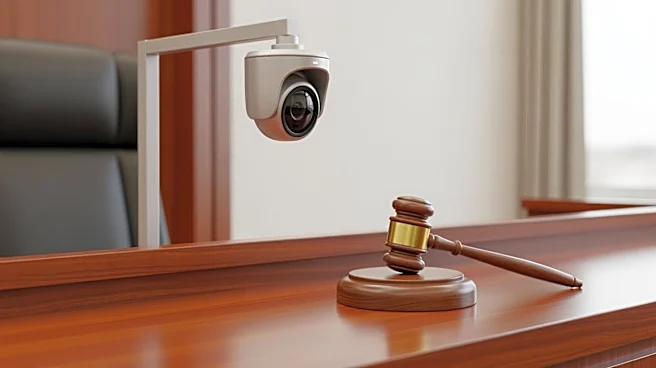
The Senate Judiciary Committee has advanced two bipartisan bills aimed at increasing transparency in federal courtrooms by allowing cameras during proceedings. The Sunshine in the Courtroom Act of 2025 and the Cameras in the Courtroom Act were moved forward
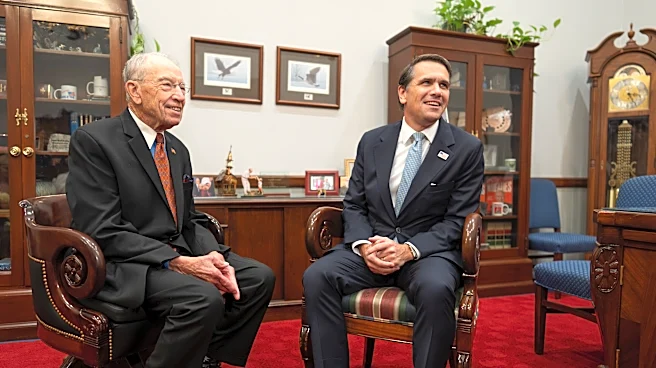
by a voice vote, and they will now be considered by the full Senate. The Sunshine in the Courtroom Act would permit judges in federal appellate and district courts to allow televised, photographed, and recorded criminal proceedings. Meanwhile, the Cameras in the Courtroom Act mandates that the Supreme Court allow televised sessions for hearings open to the public. Currently, federal trial court judges are prohibited from broadcasting criminal proceedings, although some civil and bankruptcy proceedings may be audio streamed. The legislation is supported by Judiciary Chairman Chuck Grassley and other committee members, who argue that these measures are necessary for transparency and public access to the judicial process.
Why It's Important?
The advancement of these bills is significant as it addresses long-standing calls for greater transparency in the U.S. judicial system. Allowing cameras in courtrooms could enhance public understanding and trust in the judicial process by providing direct access to court proceedings. This move could also influence public perception of the judiciary, potentially increasing accountability and ensuring that justice is not only done but seen to be done. However, there are concerns about the impact of broadcasting on the fairness of trials and the privacy of those involved. The legislation includes provisions to restrict livestreams if they might affect due process rights, balancing transparency with the need to protect the integrity of the judicial process.
What's Next?
The full Senate will now consider the bills, and if passed, they will mark a significant shift in how federal court proceedings are conducted and accessed by the public. The outcome will depend on the level of bipartisan support in the Senate and the potential influence of judicial and public opinion on the matter. If enacted, the judiciary will need to establish guidelines and protocols for implementing the new measures, ensuring that the introduction of cameras does not compromise the fairness and integrity of court proceedings.