





What's Happening?
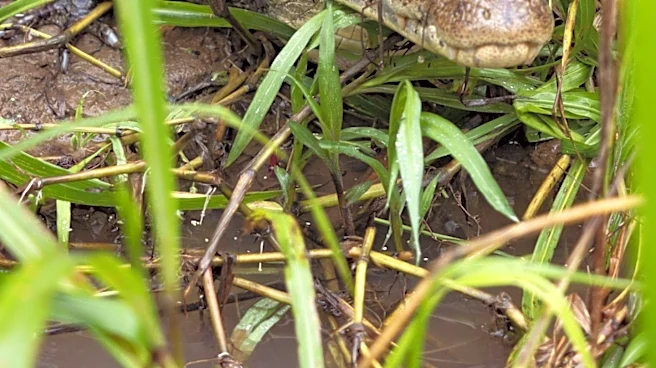
The Everglades ecosystem in Florida is facing a new threat from the spectacled caiman, a reptile native to Central and South America. These caimans, introduced to Florida over 60 years ago through the exotic pet trade, have established themselves in the wetlands,
competing with native crocodiles and alligators for food and territory. Researchers from the University of Florida have highlighted the potential impact of these caimans on the ecosystem, noting their indiscriminate diet and ability to destabilize local food webs. Restoration efforts in the Everglades have inadvertently provided refuges for these invasive species, complicating conservation efforts.
Why It's Important?
The presence of spectacled caimans in the Everglades poses a significant threat to the region's biodiversity and ongoing restoration efforts. As these caimans compete with native species for resources, they could disrupt the ecological balance, leading to declines in native populations. The situation underscores the challenges of managing invasive species and highlights the need for increased research and monitoring to protect the Everglades. The potential interbreeding of distinct caiman populations could further enhance their resilience, making containment efforts more difficult.
What's Next?
Florida has been actively managing the spectacled caiman population, removing over 340 individuals since 2017. However, scientists emphasize the need for enhanced research and monitoring to effectively control these invasive reptiles. Continued vigilance and strategic management are crucial to prevent further ecological damage and preserve the integrity of the Everglades ecosystem. The battle against invasive species in Florida is ongoing, requiring collaboration between researchers, conservationists, and policymakers.