



What's Happening?
NASA has announced that its streaming service, NASA+, is now available on Amazon Fire TV Channels. This move is part of NASA's ongoing efforts to make its space exploration content more accessible to a wider audience. Fire TV users can access NASA+ content by
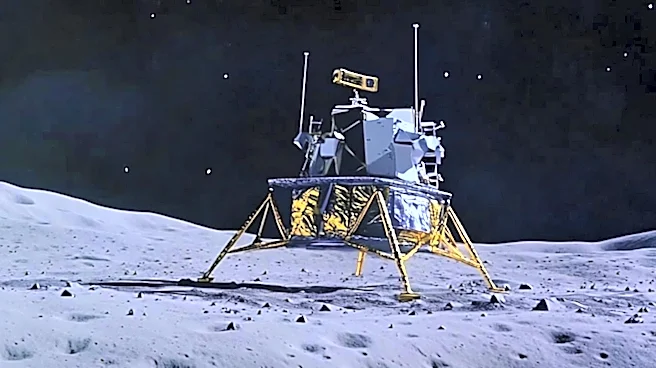
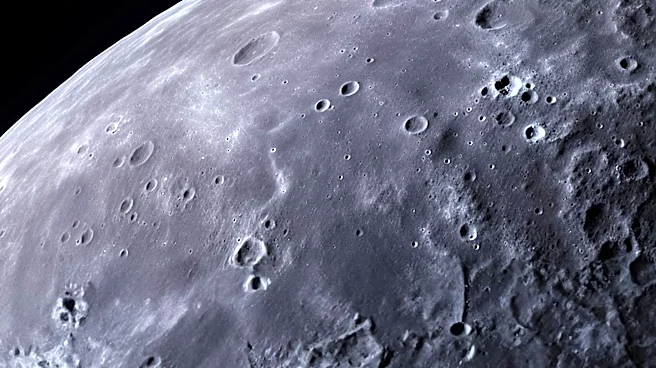
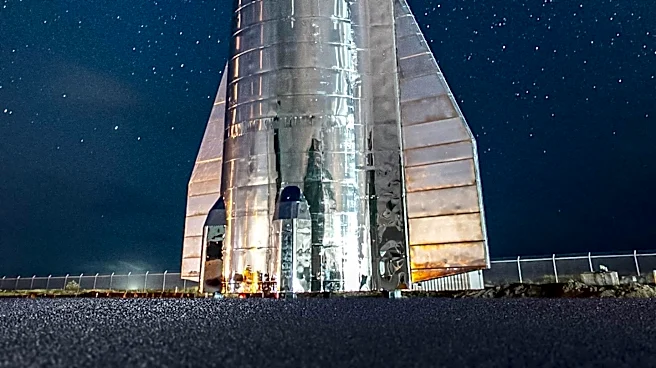
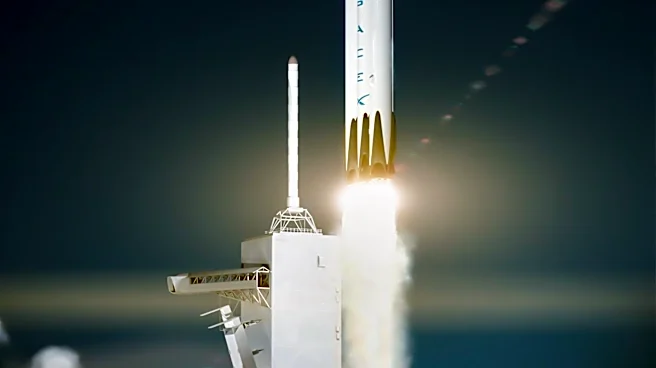
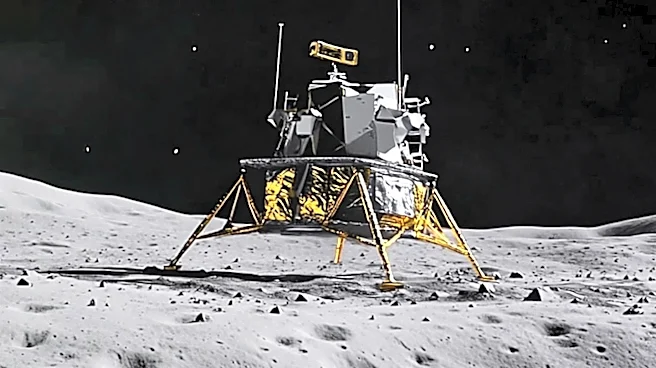
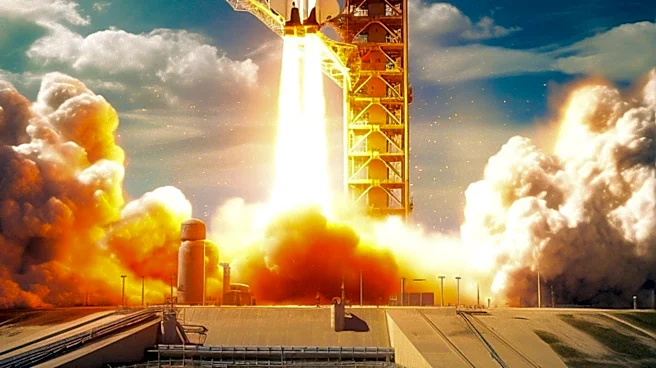
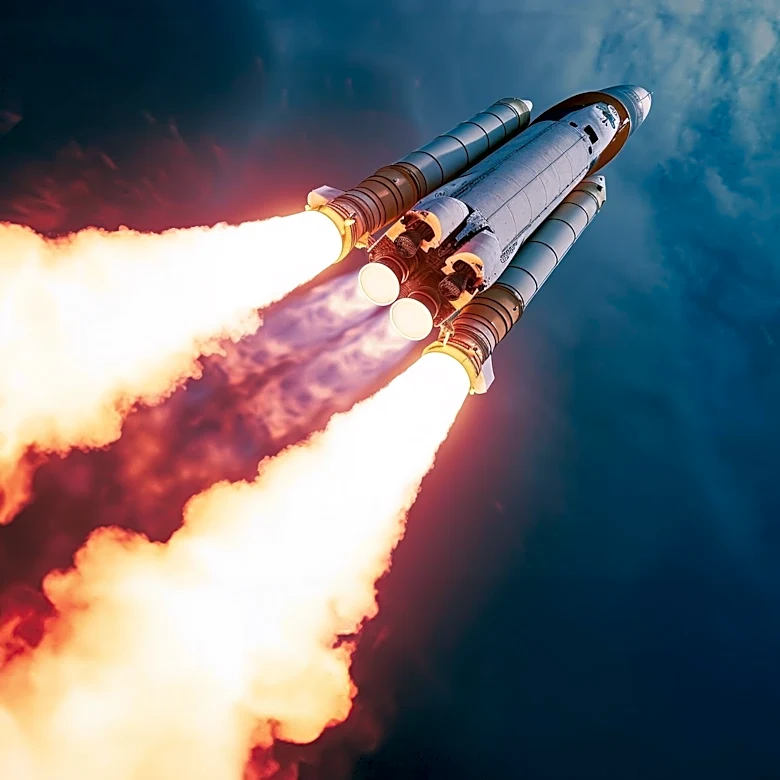
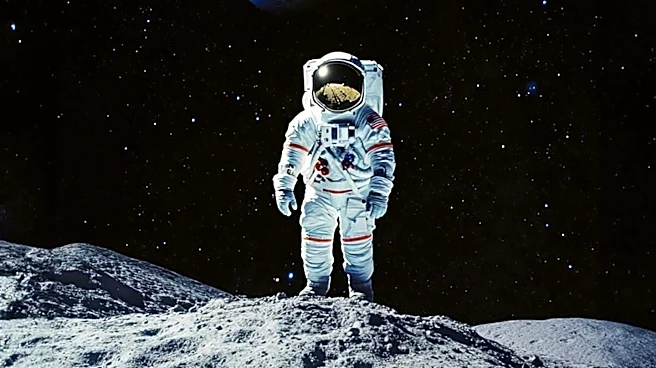
using Alexa on compatible devices. The programming includes a variety of space-related content such as science mission launches, test flights for human landing systems, robotic lunar deliveries, and the first crewed mission to the Moon under the Artemis program. NASA+ remains free and ad-free, accessible through the NASA app and the agency's website. Rebecca Sirmons, general manager of NASA+ at NASA Headquarters, emphasized the importance of sharing NASA's story of space exploration with a broad audience, highlighting the global impact of the Artemis II mission.
Why It's Important?
The expansion of NASA+ to Amazon Fire TV is significant as it enhances public access to NASA's educational and mission-related content. This move aligns with NASA's mandate under the National Aeronautics and Space Act of 1958 to disseminate information about space exploration widely. By leveraging popular streaming platforms, NASA can engage a larger audience, potentially inspiring interest in space science and technology. The availability of NASA+ on Fire TV also supports the agency's transparency goals, providing the public with real-time updates and insights into NASA's missions and future plans, such as the development of a Moon Base. This increased accessibility could foster greater public support and interest in NASA's initiatives.
What's Next?
As NASA continues to expand its streaming capabilities, viewers can expect more comprehensive coverage of upcoming missions and projects. The agency's focus on the Artemis program, including the construction of a Moon Base, will likely feature prominently in future content. This partnership with Amazon Fire TV may also pave the way for additional collaborations with other streaming platforms, further broadening NASA's reach. Stakeholders, including educators and space enthusiasts, may find new opportunities to engage with NASA's content, potentially leading to increased educational initiatives and public involvement in space exploration.