







What's Happening?
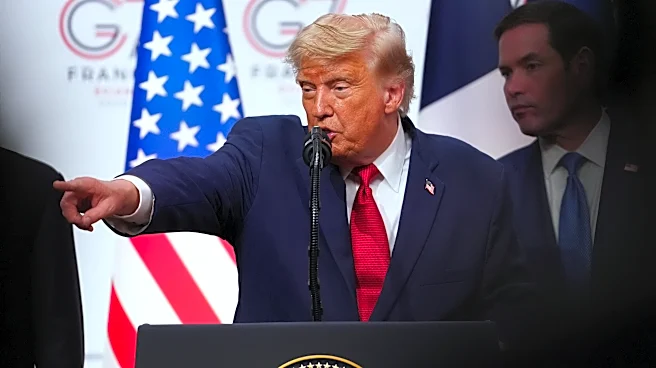
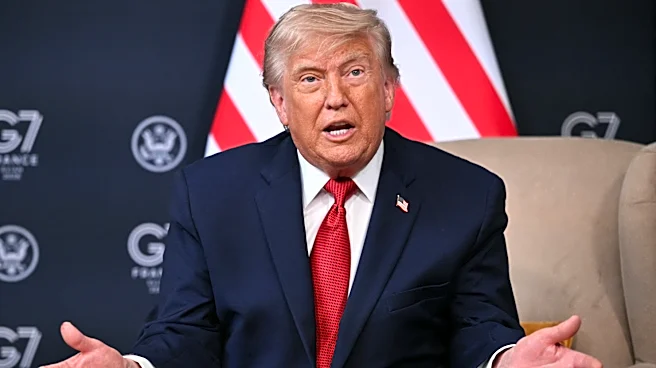
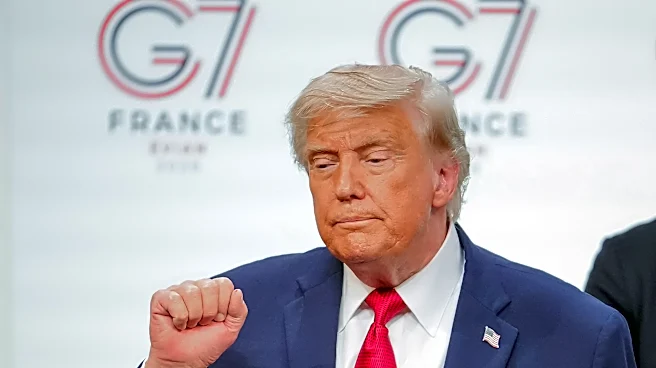
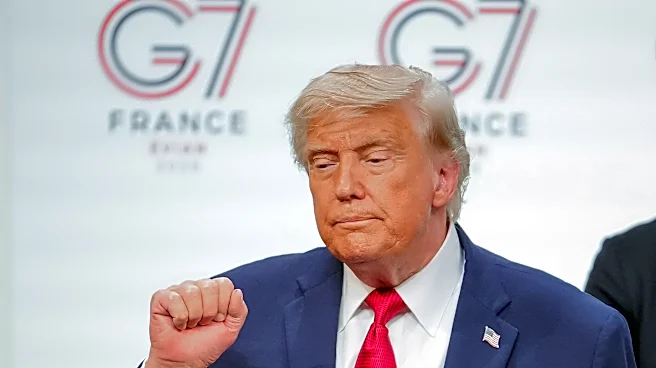
Senator Jon Ossoff of Georgia has publicly criticized President Donald Trump following the president's attempt to give him a derogatory nickname, 'Os(jerk!)off,' on social media. Ossoff dismissed the nickname as ineffective and expressed concerns about
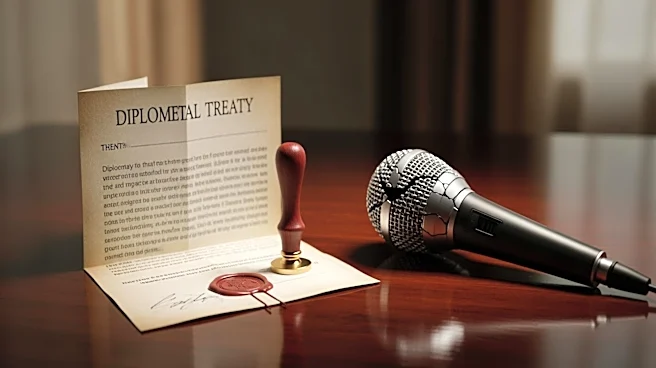
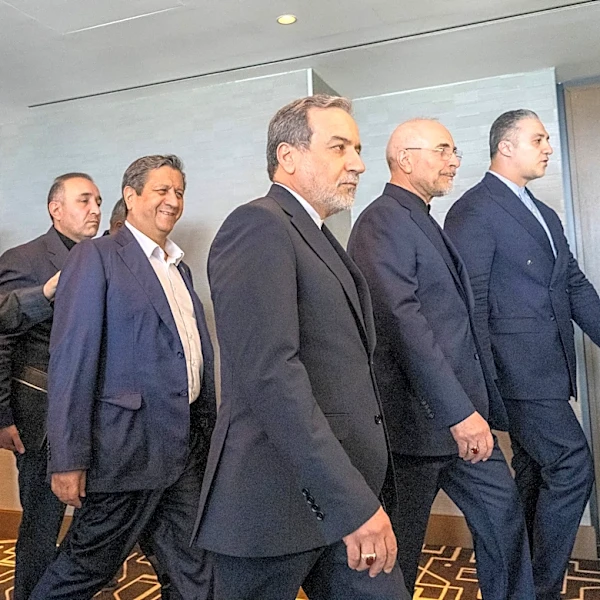
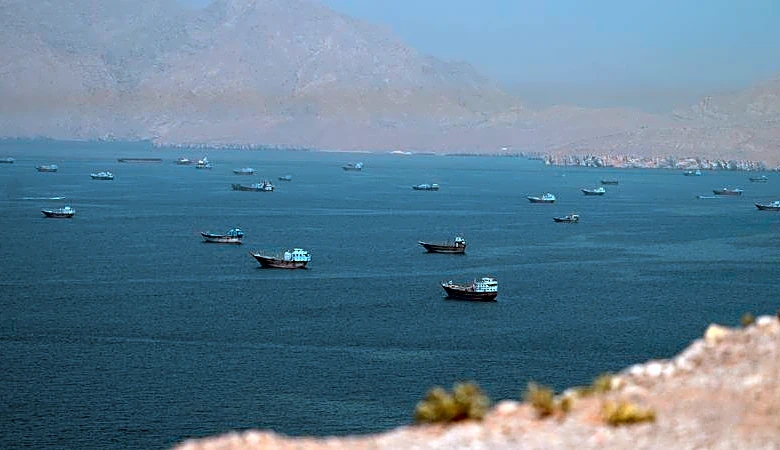
Trump's behavior, which he described as increasingly unstable. This criticism comes in the wake of a controversial deal signed by President Trump with Iran, aimed at ceasing violence and reopening the Strait of Hormuz. The agreement includes a $300 billion package for Iran's rehabilitation and economic development, alongside the lifting of all U.S. sanctions. Critics, including Republicans, have labeled the deal as inadequate, arguing it offers little improvement over pre-war conditions. Ossoff has characterized the deal as a national security debacle and a failure of the Trump presidency, accusing the president of erratic behavior that endangers the nation.
Why It's Important?
The criticism from Senator Ossoff highlights significant political and security concerns surrounding President Trump's recent actions. The Iran deal, which involves substantial financial commitments and the lifting of sanctions, has sparked debate over its effectiveness and implications for U.S. foreign policy. Critics argue that the deal may not adequately address the underlying issues that led to conflict, potentially undermining U.S. national security interests. Ossoff's remarks also reflect broader dissatisfaction with Trump's leadership style and decision-making, which could influence public opinion and political dynamics. The situation underscores the challenges of navigating complex international agreements and the domestic political fallout from controversial foreign policy decisions.
What's Next?
The Iran deal is likely to face continued scrutiny from both political leaders and the public. Republican opposition suggests potential legislative challenges or calls for renegotiation. The deal's impact on U.S.-Iran relations and regional stability will be closely monitored, with potential implications for future diplomatic efforts. Domestically, President Trump's handling of the situation may influence his political standing and the broader discourse on U.S. foreign policy. As the situation evolves, stakeholders will assess the deal's effectiveness and its alignment with U.S. strategic interests.