





What's Happening?
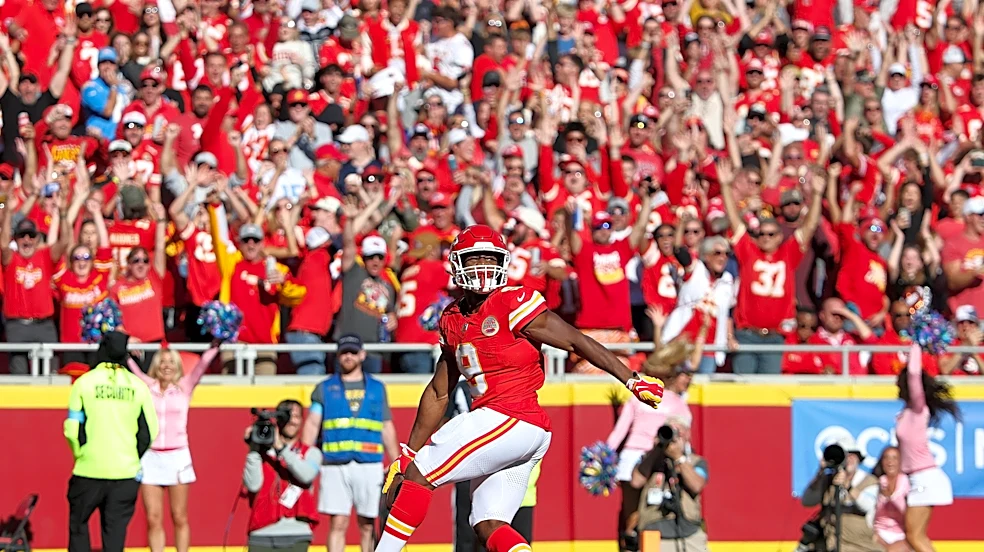
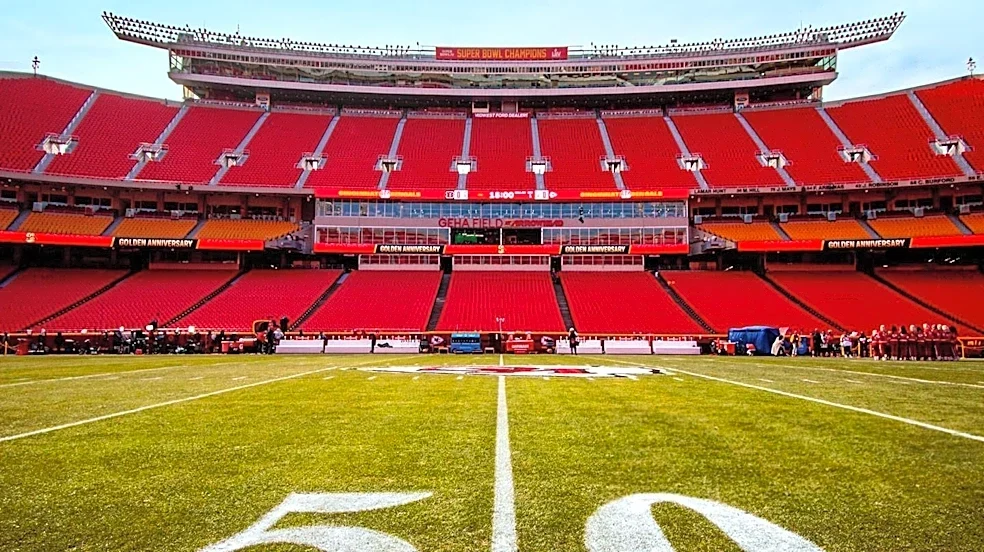
Conservative commentator Glenn Beck recently attended a Kansas City Chiefs game at Arrowhead Stadium and posted a photo on X (formerly Twitter) of what he believed to be a 'sniper tower.' His post, which garnered over a million views, questioned the presence
of such towers at NFL games. Beck captioned the photo, stating a person near him identified it as an 'Arrowhead sniper tower' and claimed every NFL game has snipers. However, many social media users quickly clarified that the structure in his photo was part of the stadium's sound system. Despite the misidentification, the post ignited a broader conversation among fans about the actual presence of snipers at NFL and other major sporting events. Some users confirmed the existence of defensive snipers, citing security practices implemented since 9/11, while others shared images purportedly showing snipers at various stadiums, though the authenticity of some images was questioned.
Why It's Important?
This incident highlights the ongoing public awareness and discussion surrounding security measures at large public gatherings, particularly major sporting events in the U.S. The immediate and widespread reaction to Beck's post, even with an initial misidentification, underscores a public curiosity and concern about the unseen aspects of event security. The confirmation from some users and past reports about law enforcement practices, such as the Charlotte police statement regarding snipers and SWAT personnel at large-scale events, indicates that such security protocols are a reality. This conversation is important as it touches upon the balance between public safety and the public's perception of security, potentially influencing how event organizers communicate their security strategies. It also reflects how social media can rapidly disseminate information and spark public discourse on sensitive topics, even if based on initial misunderstandings.
What's Next?
The discussion initiated by Glenn Beck's post is likely to continue in various online forums, potentially prompting further public inquiry into security measures at U.S. sporting venues. While stadium operators and law enforcement agencies typically do not disclose specific security details for operational reasons, the public conversation might encourage them to offer more general reassurances about safety protocols. Media outlets may also delve deeper into the history and necessity of such security deployments at major events. For attendees, this viral post could lead to increased observation of stadium infrastructure and security personnel, potentially altering their perception of safety at games. The incident also serves as a reminder of the rapid spread of information and misinformation on social media platforms and the need for critical evaluation of content.
Beyond the Headlines
The viral discussion about 'sniper towers' at NFL stadiums delves into the deeper societal implications of post-9/11 security paradigms in the United States. The public's varied reactions, ranging from surprise to casual acceptance, reflect a gradual normalization of heightened security measures in everyday life. This incident touches upon the ethical considerations of visible versus covert security, and how such deployments might impact the public's sense of freedom and enjoyment at recreational events. It also highlights the evolving role of technology in security, with discussions about AI-generated images blurring the lines between reality and fabrication in online discourse. The underlying theme is the constant tension between maintaining public safety in an era of potential threats and preserving the open, communal atmosphere of public gatherings, prompting questions about the psychological impact of omnipresent, albeit often unseen, security forces.