




What's Happening?
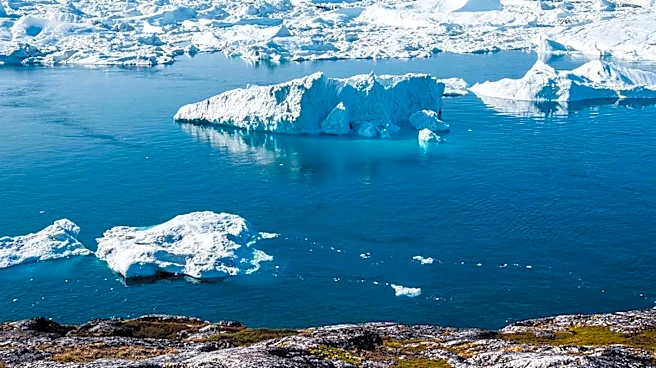
Experts have criticized the U.S. strategy in the Arctic, emphasizing that acquiring Greenland will not address the underlying issues of underinvestment in existing Arctic territories like Alaska. The Arctic is warming rapidly, making it a strategically
contested region with new shipping routes and access to resources. While Russia has been expanding its Arctic presence, the U.S. has reduced its military installations in Alaska, leaving only a few active sites. The Trump administration had directed funding towards Arctic infrastructure, but experts argue that more comprehensive investment is needed. The U.S. already has military access to Greenland under a defense agreement with Denmark, but has not fully utilized these arrangements.
Why It's Important?
The Arctic's strategic importance is growing due to climate change, which is opening new shipping routes and access to resources. The U.S.'s lack of investment in its Arctic infrastructure could weaken its geopolitical position, especially as other nations like Russia expand their presence. This underinvestment could also impact national security and economic opportunities. The situation highlights the need for a more robust Arctic strategy that includes infrastructure development and collaboration with Indigenous communities. Failure to address these issues could result in missed opportunities and increased vulnerability in a region that is becoming more accessible and contested.
What's Next?
The U.S. may need to reassess its Arctic strategy to address the gaps in infrastructure and military presence. This could involve increased funding for Arctic infrastructure, including icebreakers and military bases, as well as greater collaboration with Indigenous communities. The U.S. might also need to strengthen its diplomatic and defense strategies to counter the growing influence of other nations in the Arctic. The focus should be on sustainable development and security measures that align with the changing climate and geopolitical landscape.
Beyond the Headlines
The situation underscores the broader issue of climate change and its impact on global geopolitics. As the Arctic becomes more accessible, it could lead to increased competition for resources and influence among nations. This could also have environmental implications, as increased activity in the region could threaten fragile ecosystems. The U.S. needs to balance its strategic interests with environmental and Indigenous rights considerations to ensure a sustainable and equitable approach to Arctic development.