








What's Happening?
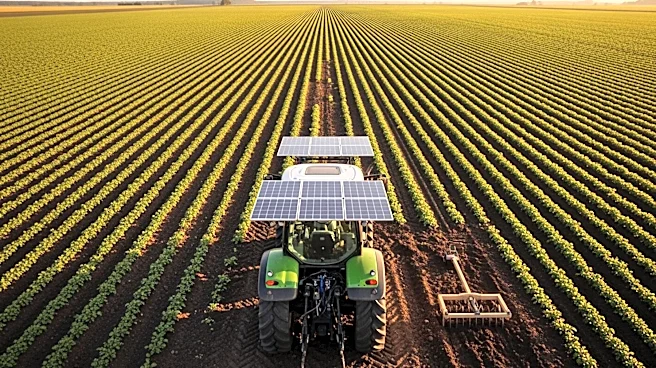
Brazilian agriculture is experiencing a paradox where technological advancements in farming are outpacing the availability of qualified labor. Despite record harvests and the use of million-dollar machines, 83% of producers report difficulties in hiring
skilled professionals to operate and maintain these technologies. The sector, a major driver of Brazil's economy, employs millions but struggles to find workers with the necessary technical skills. This shortage is particularly acute for roles such as agricultural machine operators, who are essential for modern farming operations.
Why It's Important?
The labor shortage in Brazilian agriculture highlights a critical gap between technological progress and workforce readiness. As farms become more mechanized and reliant on digital tools, the demand for skilled labor increases. This situation poses a risk to the sector's productivity and growth, potentially affecting Brazil's position as a leading agricultural exporter. Addressing this gap is crucial for maintaining the sector's competitiveness and ensuring that technological investments yield the expected benefits.
What's Next?
To address the labor shortage, Brazilian agribusiness entities are investing in training programs to develop a new generation of skilled workers. These initiatives aim to equip individuals with the technical knowledge required to operate advanced agricultural machinery. Additionally, there may be efforts to attract workers from other regions or countries to fill the gap. The success of these strategies will be vital for sustaining the sector's growth and leveraging technological advancements effectively.
Beyond the Headlines
The situation in Brazilian agriculture underscores the broader challenge of aligning workforce skills with technological advancements. It raises questions about the role of education and training in preparing workers for the future of work. The sector's experience could serve as a case study for other industries facing similar challenges, emphasizing the need for proactive workforce development strategies.