

What's Happening?
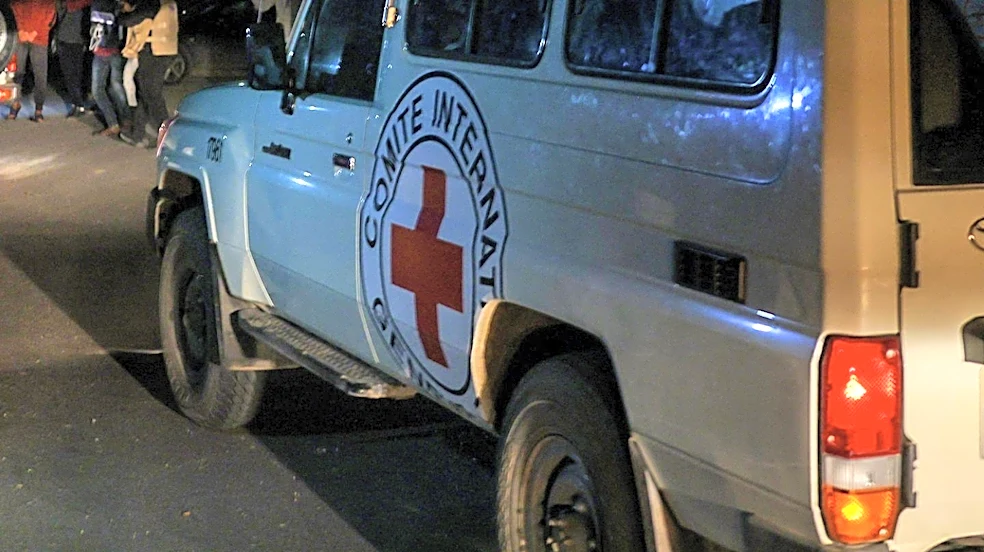
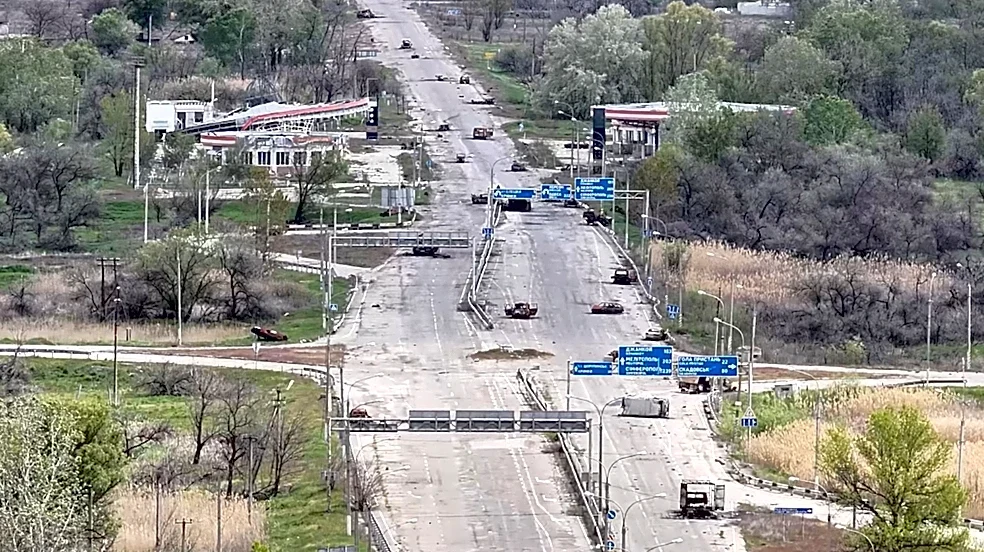
The International Committee of the Red Cross (ICRC) is actively engaged worldwide in providing humanitarian assistance and protection to individuals impacted by armed conflict and violence. Established in 1863, the organization's core mission is to uphold
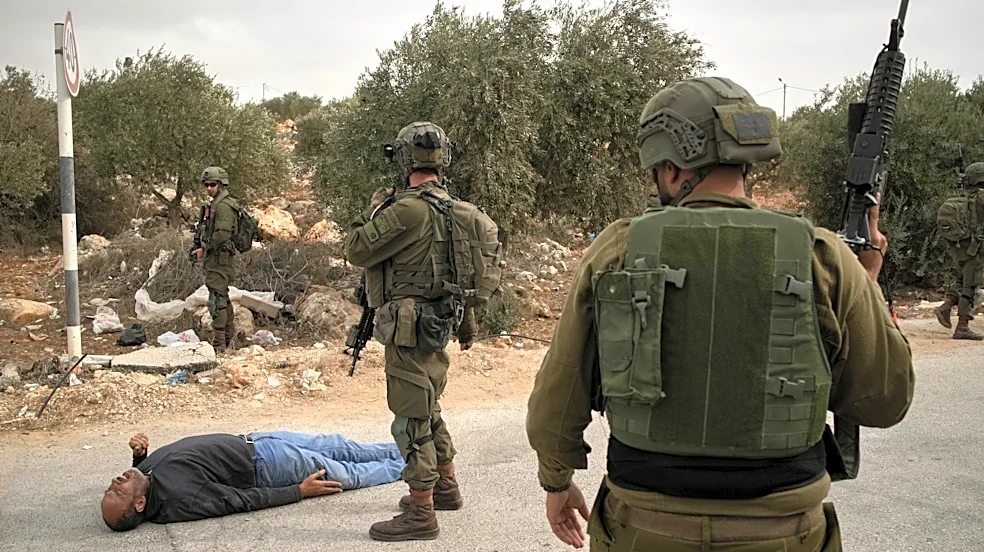
human dignity and alleviate suffering. The ICRC responds to emergencies and advocates for adherence to international humanitarian law. It collaborates with authorities and armed forces across all factions, often through confidential channels, to secure access to detainees. This access allows the ICRC to work towards improving living conditions for those held captive and to ensure compliance with international humanitarian law, thereby safeguarding non-combatants from various threats, including digital ones. The ICRC operates as an independent and neutral entity, with its mandate primarily derived from the Geneva Conventions of 1949. It also partners with National Red Cross and Red Crescent Societies and their International Federation to deliver coordinated and effective humanitarian aid to victims of armed conflict or internal violence.
Why It's Important?
The work of the ICRC is crucial for upholding fundamental human rights and mitigating the devastating effects of armed conflict globally. By engaging with all parties involved in conflicts, the ICRC plays a vital role in ensuring that international humanitarian law is respected, which is essential for protecting civilians and those no longer participating in hostilities. Their efforts to access detainees and improve their conditions are critical for preventing abuses and ensuring humane treatment. The organization's neutrality and independence allow it to operate in highly sensitive and dangerous environments where other organizations might not be able to. This work has a direct impact on the lives of millions affected by violence, providing life-saving aid, reconnecting families, and advocating for the most vulnerable, regardless of their affiliation or location.
What's Next?
The ICRC will continue its ongoing efforts to provide humanitarian aid and protection in conflict zones around the world. This includes responding to new emergencies as they arise and maintaining its confidential dialogues with authorities and armed forces to ensure access to detainees and promote compliance with international humanitarian law. The organization will also persist in its collaboration with National Red Cross and Red Crescent Societies to deliver coordinated responses to humanitarian crises. Future initiatives may involve adapting to evolving threats, such as digital threats to non-combatants, and continuing to advocate for stronger adherence to international legal frameworks that protect human dignity during times of war and violence. The ICRC's long-term commitment is to alleviate suffering and preserve human dignity wherever armed conflict occurs.
Beyond the Headlines
The ICRC's work extends beyond immediate humanitarian relief, addressing deeper ethical and legal implications of armed conflict. Its consistent advocacy for international humanitarian law reinforces the principle that even in war, there are rules that must be followed to protect humanity. The confidential nature of its engagement with warring parties highlights the complex diplomacy required to operate in such environments, often balancing immediate needs with long-term objectives of accountability and peace. The organization's role in reconnecting families separated by conflict underscores the profound social and psychological impact of war, emphasizing the importance of human connection and family unity. Furthermore, the ICRC's efforts to protect non-combatants from digital threats point to the evolving nature of warfare and the need for international law to adapt to new technologies and their potential for harm.