





What's Happening?
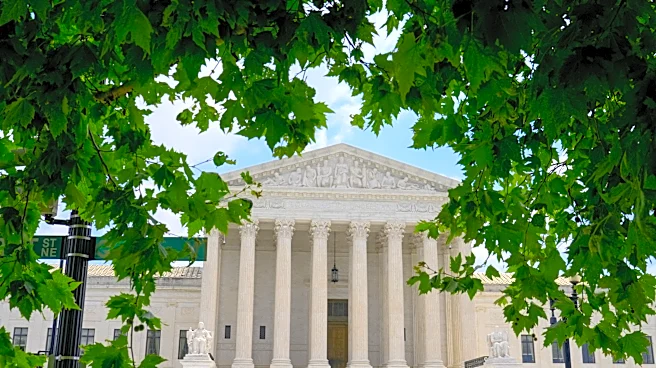
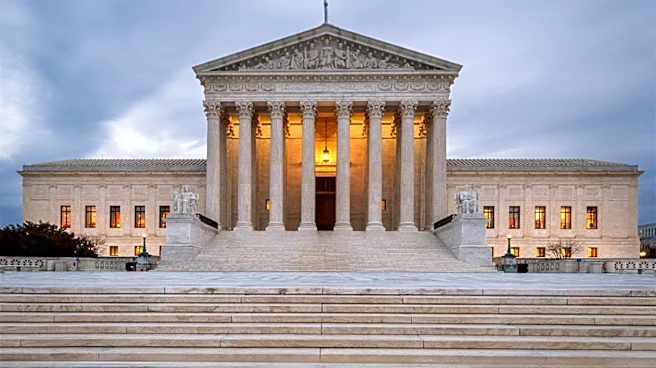
The Supreme Court has refused to hear Alan Dershowitz's defamation claim against CNN, effectively upholding the New York Times v. Sullivan ruling. This decision maintains the requirement for public figures to prove 'actual malice' in defamation cases.
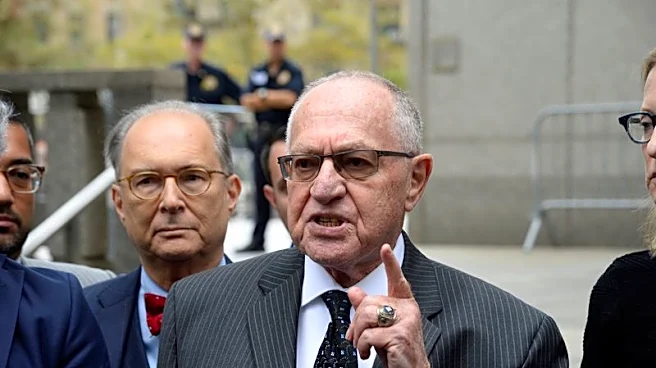
Dershowitz, who represented President Trump during his first impeachment trial, accused CNN of misreporting his comments on impeachable offenses. Despite losing in lower courts, Dershowitz sought to challenge the Sullivan standard, arguing it imposes an excessively high burden of proof. Justices Clarence Thomas and Neil Gorsuch expressed dissent, suggesting the standard should be reconsidered. However, the court's decision leaves the existing protections for media organizations intact.
Why It's Important?
The Supreme Court's decision is a significant affirmation of press freedom, ensuring that media outlets can report on public figures without undue fear of defamation lawsuits. This ruling is crucial for maintaining a free press, which is essential for holding public figures accountable. By upholding the Sullivan standard, the court protects media organizations from potentially crippling legal challenges, allowing them to continue investigative reporting. For public figures, the decision underscores the difficulty of pursuing defamation claims, emphasizing the need for clear evidence of malicious intent. This outcome is pivotal in preserving the balance between protecting individual reputations and ensuring a free and open press.