






What's Happening?
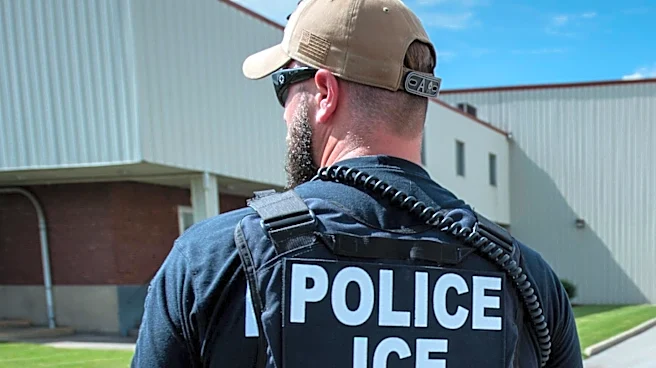
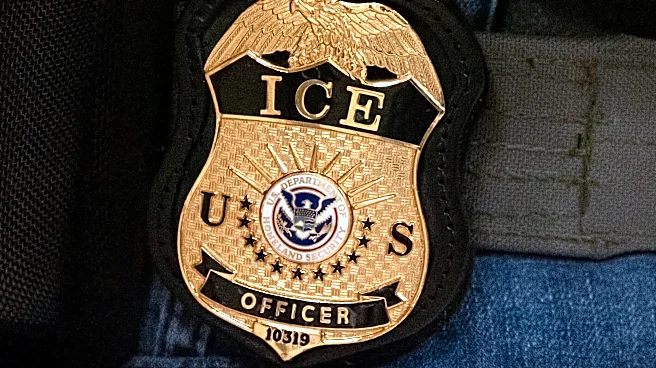
The U.S. Immigration and Customs Enforcement (ICE) recently faced a temporary halt in conducting traffic stops following two fatal shootings involving ICE agents. The decision to pause these stops was made in response to growing criticism and backlash
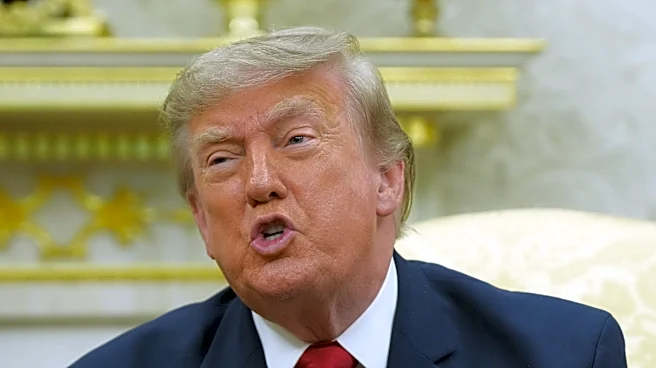
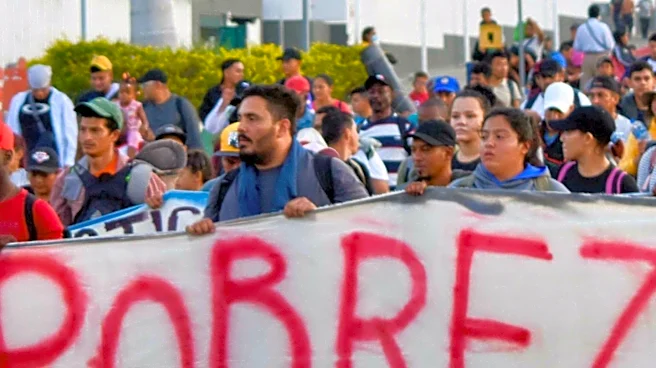
from local officials and members of Congress. However, this pause was short-lived as President Trump directed the reinstatement of traffic stops, emphasizing their importance in immigration enforcement. The reinstatement comes amid concerns over the effectiveness of traditional methods of detaining undocumented immigrants, which have been hampered by community organizers educating immigrants about their legal rights. The ICE's use of traffic stops has been a critical tool in meeting the administration's arrest targets, despite concerns over the safety and training of ICE agents conducting these stops.
Why It's Important?
The reinstatement of ICE traffic stops highlights the ongoing tension between immigration enforcement and community safety. The decision underscores the Trump administration's commitment to stringent immigration policies, which have been a cornerstone of its agenda. The use of traffic stops as a tool for immigration enforcement raises concerns about the potential for increased confrontations and the safety of both officers and the public. The controversy surrounding these stops reflects broader debates about immigration policy and enforcement tactics in the U.S., with significant implications for immigrant communities and law enforcement practices. The situation also points to the challenges faced by the Department of Homeland Security in balancing enforcement with public safety and community relations.
What's Next?
As ICE resumes traffic stops, the agency is expected to face continued scrutiny and potential legal challenges from civil rights groups and community organizations. The Department of Homeland Security has indicated plans to enhance training for ICE agents, including crowd control and high-risk vehicle stops, to address safety concerns. The administration's focus on increasing arrest numbers may lead to further tensions with immigrant communities and advocacy groups. The situation is likely to remain a contentious issue in U.S. immigration policy, with potential implications for future legislative and executive actions.