






What's Happening?
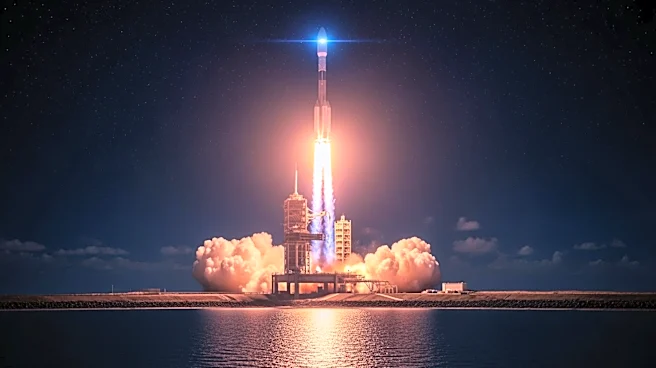
SpaceX successfully launched its 50th mission of the year, deploying 25 Starlink broadband satellites into orbit. The launch took place from Vandenberg Space Force Base in California using a Falcon 9 rocket. This mission marks the 15th launch and landing
for the Falcon 9 booster designated 1088. The Starlink satellites were deployed into low Earth orbit, joining the largest satellite constellation ever assembled, which now consists of nearly 10,300 active satellites. SpaceX has conducted 42 Starlink missions this year, contributing to the rapid expansion of its broadband internet service.
Why It's Important?
SpaceX's continued success in launching Starlink satellites underscores the company's dominance in the commercial space industry and its commitment to expanding global internet coverage. The growing Starlink constellation aims to provide high-speed internet access to underserved and remote areas worldwide. This expansion has significant implications for global connectivity, potentially bridging the digital divide and enabling new economic opportunities. Additionally, SpaceX's frequent launches demonstrate the reliability and reusability of its Falcon 9 rockets, setting new standards for cost-effective space access.
What's Next?
SpaceX plans to continue its aggressive launch schedule, with more Starlink missions and other payloads planned for the year. The company is also preparing for the first Falcon Heavy launch of 2026, which was delayed due to weather conditions. SpaceX's Starship program, aimed at enabling human exploration of the moon and Mars, is still in the test-flight phase, with the next suborbital trial expected soon. The ongoing expansion of the Starlink constellation will enhance global internet coverage, while SpaceX's advancements in rocket technology will continue to influence the space industry.