




What's Happening?
The Douglas County Health Department (DCHD) has reported a rise in Cyclospora cases, with the current count reaching 45, up from 27 in previous reports. Although these cases in Nebraska have not been officially linked to the ongoing multistate outbreak,
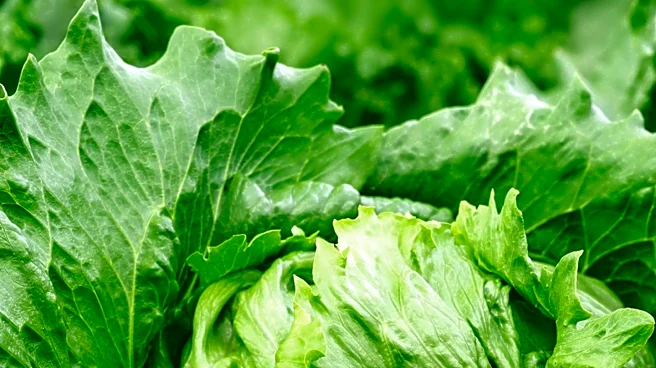
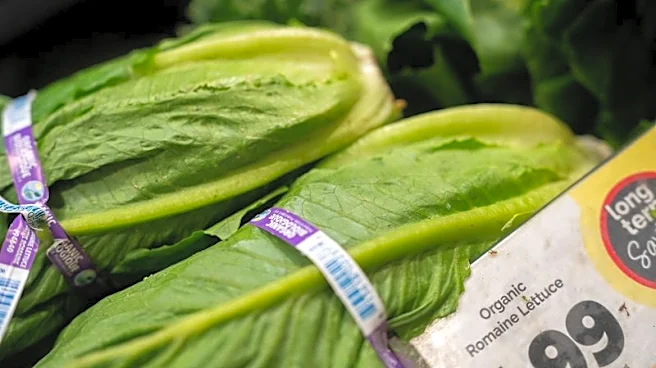
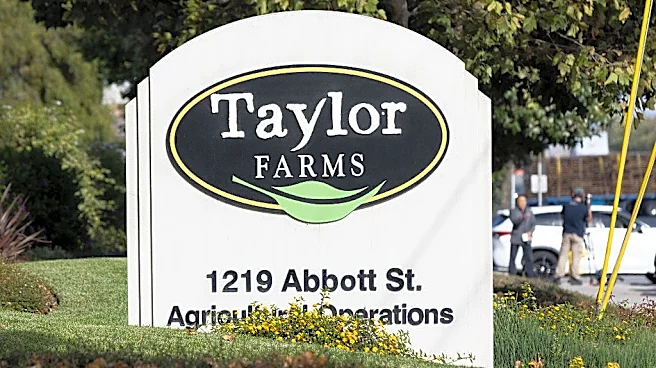
the DCHD is collaborating with the Centers for Disease Control and Prevention (CDC) and the Food and Drug Administration (FDA) to determine if there is a connection. The CDC and FDA have identified shredded iceberg lettuce from Taylor Farms de Mexico as the likely source of the multistate outbreak. Investigations are ongoing to ascertain if the Douglas County cases are related to the same contaminated product. Cyclospora, a parasite often associated with bagged iceberg lettuce, can cause symptoms such as watery diarrhea, loss of appetite, stomach cramps, and fatigue. Health officials advise cooking produce to eliminate the parasite and recommend that diners inquire about the source of lettuce in restaurants.
Why It's Important?
The increase in Cyclospora cases in Douglas County highlights the ongoing public health challenge posed by foodborne illnesses. The potential link to a multistate outbreak underscores the importance of effective food safety measures and cross-agency collaboration to prevent further spread. This situation could impact consumer confidence in produce, particularly bagged lettuce, and may lead to increased scrutiny of food supply chains. Restaurants and food service providers might face pressure to ensure the safety of their ingredients, potentially affecting their operations and supply choices. Public health agencies are tasked with balancing the need for swift action to protect public health with the necessity of thorough investigations to accurately identify contamination sources.
What's Next?
As investigations continue, the DCHD, along with state and federal partners, will work to confirm whether the local cases are linked to the multistate outbreak. Public health officials will likely issue further guidance and updates as more information becomes available. Restaurants and food suppliers may need to adjust their sourcing practices based on the findings. Consumers are advised to remain vigilant about food safety practices, such as thoroughly cooking produce and staying informed about potential recalls. The outcome of these investigations could lead to policy changes or new regulations aimed at preventing similar outbreaks in the future.