



What's Happening?
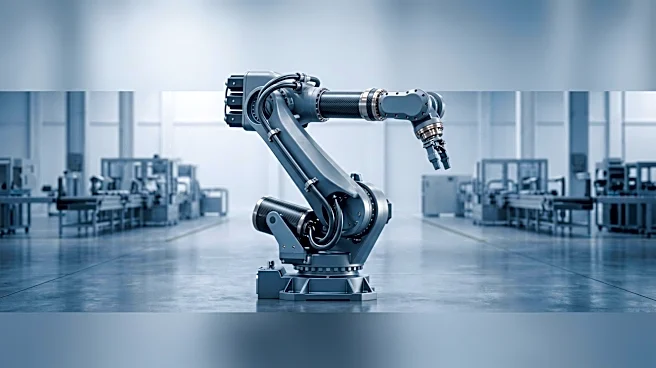
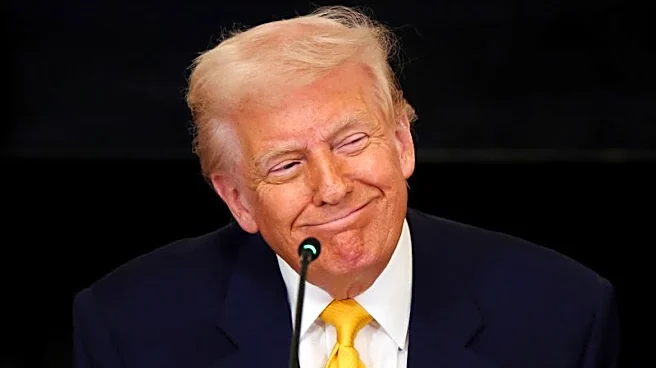
On October 28, 2026, President Trump signed a proclamation determining that imports of robotics, industrial machinery, and their components pose a threat to U.S. national security. This action follows a Section 232 investigation by the Secretary of Commerce.
The proclamation does not immediately impose tariffs but instead directs the Department of Commerce and the United States Trade Representative (USTR) to engage in negotiations with trading partners. These negotiations aim to address the national security concerns related to these imports. Commerce and USTR are mandated to provide an update on these discussions to the President within 180 days. The Commerce report highlighted several key findings, including the economic significance of robotics to U.S. defense systems and critical infrastructure, the nation's increasing reliance on imports for these technologies, cybersecurity risks associated with foreign equipment, and a shortfall in domestic production relative to national security needs. This proclamation builds on previous governmental actions, such as the Federal Communications Commission's addition of foreign-produced advanced robotic devices to its 'Covered List' in July 2026.
Why It's Important?
This proclamation underscores the Trump Administration's serious view of the national security implications tied to the robotics and industrial machinery sector. The U.S. economy, particularly its defense systems and critical infrastructure, is heavily dependent on these technologies, with the proclamation linking these sectors to approximately $7.1 trillion in manufactured goods shipments. The identified import dependence, coupled with cybersecurity risks from certain foreign entities and a domestic production shortfall, presents a significant vulnerability. By initiating trade negotiations rather than immediate tariffs, the administration is seeking a diplomatic resolution while retaining the option for future trade remedies. This approach could lead to restructured supply chains, increased domestic investment in robotics manufacturing, and enhanced cybersecurity protocols for imported machinery. U.S. manufacturers, importers, and producers in this sector will need to closely monitor these developments, as the outcome of negotiations could significantly impact their operations, costs, and market access.
What's Next?
The immediate next step involves the Department of Commerce and the USTR jointly pursuing negotiations with trading partners over the next 180 days. These negotiations will focus on mitigating the national security threats identified in the Commerce report regarding imported robotics and industrial machinery. Within this 180-day period, Commerce and USTR are required to provide an update to President Trump on the progress and outcomes of these discussions. Following this period, the administration will evaluate whether sufficient progress has been made to address the national security concerns. The proclamation explicitly states that tariffs and other remedies remain available options, indicating that if negotiations do not yield satisfactory results, the administration may still opt to impose trade restrictions. Manufacturers, importers, and producers in the robotics industry should prepare for potential additional restrictions or changes in trade policy in the coming months, depending on the success of these negotiations.
Beyond the Headlines
This move by President Trump highlights a broader strategic shift towards viewing technological dependencies as critical national security issues. The emphasis on domestic production shortfalls and cybersecurity risks associated with foreign-sourced robotics points to a growing concern about technological sovereignty and resilience. Beyond immediate trade implications, this proclamation could catalyze long-term policy discussions around industrial policy, domestic manufacturing incentives, and supply chain diversification in critical technology sectors. It also raises questions about the balance between globalized supply chains and national security imperatives, potentially leading to increased scrutiny of foreign investments and partnerships in advanced manufacturing. The focus on cybersecurity in industrial machinery suggests a recognition that digital vulnerabilities in physical infrastructure can have profound national security consequences, potentially leading to new regulatory frameworks for industrial control systems and IoT devices.