






What's Happening?
The McLean County Regional Planning Commission is reviewing a proposal to improve Veterans Parkway in Bloomington and Normal, Illinois. The plan, developed by Chicago-based consultants over two years, suggests adding walking and bike paths on both sides
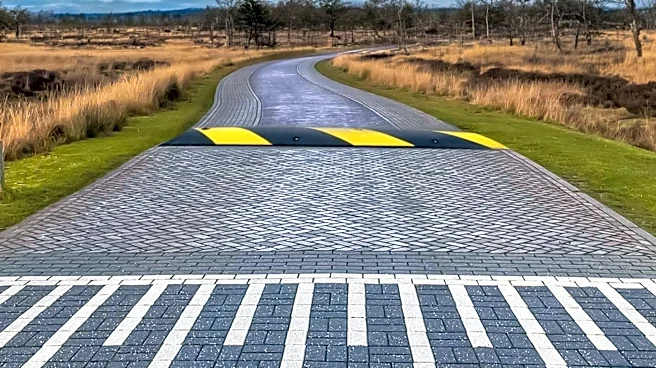
of the road. A key component of the proposal involves slightly reducing the width of car lanes to encourage slower driving, which could increase travel times for vehicles by two to four minutes. This initiative aims to enhance safety on Veterans Parkway, identified as one of the most dangerous roads in the area due to numerous fatalities and crashes. Raymond Lai, Executive Director of the commission, emphasized the goal of making the road safer and more multimodal. Public input on the plan concluded on August 31.
Why It's Important?
This proposal is significant for urban planning and transportation safety in U.S. cities. By prioritizing pedestrian and cyclist infrastructure and implementing traffic calming measures, the McLean County Regional Planning Commission is addressing a critical public safety concern. The shift towards multimodal transportation reflects a broader national trend to create more accessible and safer urban environments, potentially reducing traffic fatalities and promoting healthier lifestyles. While the potential increase in car travel time might be a point of contention for some commuters, the long-term benefits of reduced accidents and improved quality of life for residents could outweigh these concerns. This plan could serve as a model for other municipalities grappling with similar challenges on high-traffic roadways, highlighting a growing emphasis on community-centric road design over solely vehicle-centric approaches.
What's Next?
The McLean County Regional Planning Commission is scheduled to vote on the formal adoption of the plan on September 23. If approved, the plan will then be forwarded to the Department of Transportation, which has already provided some funding for the initial planning stages. Any subsequent funding required for the project's implementation would necessitate securing additional grants. The Illinois Department of Transportation holds the final authority on whether the proposed changes will proceed. Construction will not commence until the entire planning process is finalized. Stakeholders, including local residents, commuters, and advocacy groups for pedestrian and cyclist safety, will be closely watching the commission's decision and the subsequent review by state transportation authorities.
Beyond the Headlines
The debate over shrinking car lanes to accommodate other modes of transport touches upon fundamental questions about urban development and the allocation of public space. This initiative reflects a growing societal recognition of the need to balance vehicular flow with the safety and well-being of all road users. It also highlights the evolving role of urban infrastructure in fostering community health and environmental sustainability. The potential for increased travel times for drivers could spark discussions about individual convenience versus collective safety and environmental benefits. Furthermore, the project underscores the complex interplay between local planning bodies, state transportation departments, and federal funding mechanisms in shaping the future of American cities, potentially setting precedents for how similar projects are conceived and funded nationwide.