




What's Happening?
The Grand Canyon Conservancy Field Institute is providing a variety of guided tours and educational experiences, ranging from short rim walks to multi-day backpacking trips. These programs focus on the geology, ecology, natural history, and cultural history of the Grand Canyon.
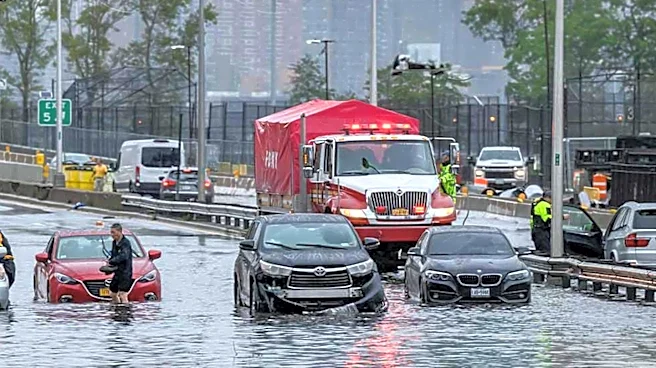
However, due to a flash flood on August 29 in Bright Angel Canyon and the Phantom Ranch area, significant inner-canyon closures are currently in effect. This means traditional Rim-to-Rim hiking is unavailable, and some guided hiking and backpacking routes may be affected. Visitors are advised to check current tour availability and National Park Service trail closures before planning their visit. The Conservancy emphasizes that education is central to its experiences, offering programs on topics such as plants, wildlife, art, and astronomy, allowing visitors to gain a deeper understanding of the Grand Canyon beyond just sightseeing.
Why It's Important?
The availability of guided tours and educational programs at the Grand Canyon is crucial for enhancing visitor experiences, offering deeper insights into the natural and cultural significance of this iconic U.S. landmark. These programs contribute to conservation efforts by fostering a greater appreciation for the environment and history among visitors. The current trail closures, however, highlight the vulnerability of natural attractions to environmental events and the importance of safety regulations. For the tourism industry, these closures can lead to significant economic impacts, affecting local businesses that rely on visitor traffic. The emphasis on educational experiences also underscores a growing trend in tourism towards more meaningful and informative travel, benefiting both visitors and the preservation of natural sites.
What's Next?
Visitors planning trips to the Grand Canyon should continuously monitor the Grand Canyon Conservancy's current tour listings and the National Park Service's trail status updates. As conditions can change due to weather or other factors, flexibility in travel plans will be essential. The Conservancy will likely continue to adapt its offerings based on trail accessibility and safety assessments. Future efforts may include developing alternative routes or educational programs that can operate safely within accessible areas. The long-term impact of the flood-related closures on trail infrastructure and future visitor access will depend on the extent of the damage and the resources allocated for repair and restoration.
Beyond the Headlines
The situation at the Grand Canyon reflects broader challenges faced by national parks and natural attractions in the U.S., including the increasing impact of climate change on natural landscapes and the need for robust infrastructure to withstand extreme weather events. The focus on educational tourism by organizations like the Grand Canyon Conservancy also points to an evolving understanding of responsible tourism, where engagement with the environment goes beyond mere observation to include learning and stewardship. This approach can help cultivate a more environmentally conscious public, which is vital for the long-term preservation of these national treasures. The closures also underscore the delicate balance between providing public access to natural wonders and protecting their ecological integrity.