




What's Happening?
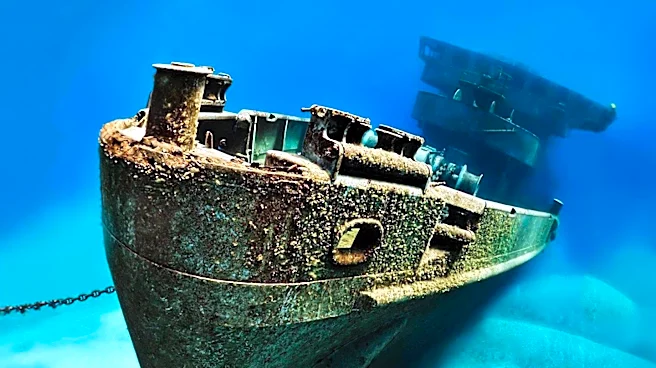
Researchers have documented approximately 150 shipwrecks in the waters surrounding Acadia National Park, including areas around Mount Desert Island (MDI) and the Schoodic Peninsula. Among these, some have well-known histories, such as the two-masted schooner
Delhi, which sank in Somes Sound in 1893 while carrying 32,000 granite paving stones. The Delhi was recently the subject of a federal salvage rights dispute, with a judge ruling that the state of Maine owns its remnants. Another notable wreck is the Tay, a two-masted schooner that ran aground at Great Head on MDI in 1911, resulting in the death of its cook, J.B. Whelpley. Wreckage from the Tay was unearthed by a coastal storm in January 2024. The area around Baker Island, part of the Cranberry Isles, has been identified as a 'ship trap' and is the site of the most wrecks found around Acadia. This extensive inventory of shipwrecks was compiled in a 2009 study by marine archaeologists, funded by an L.L. Bean fellowship.
Why It's Important?
The presence of approximately 150 shipwrecks in the waters around Acadia National Park represents a significant underwater cultural heritage, offering invaluable insights into maritime history, trade routes, and the challenges of seafaring in the region. These wrecks, like the Delhi and the Tay, serve as tangible links to past eras, providing archaeological data that can inform our understanding of historical events, shipbuilding techniques, and the lives of those who sailed these waters. The federal ruling on the Delhi's ownership underscores the legal complexities surrounding underwater cultural resources and the importance of state and national preservation efforts. For Acadia National Park, these shipwrecks contribute to its unique natural and historical landscape, attracting researchers, divers, and history enthusiasts, and highlighting the need for ongoing conservation and responsible management of these submerged historical sites.
What's Next?
The ongoing documentation and study of shipwrecks in Acadia National Park waters will likely continue, potentially uncovering more unidentified vessels and further details about known wrecks. The federal ruling on the Delhi's ownership sets a precedent for future salvage rights disputes in the region, emphasizing state control over such historical artifacts. Conservation efforts will focus on protecting these underwater sites from unauthorized salvage and environmental degradation. Educational initiatives may also expand to inform the public about the historical significance of these wrecks and the importance of their preservation. Researchers will continue to utilize advanced marine archaeology techniques to explore and document these submerged historical treasures, contributing to a richer understanding of Maine's maritime past.
Beyond the Headlines
The numerous shipwrecks around Acadia National Park offer a poignant reminder of humanity's enduring struggle against the forces of nature and the inherent risks of maritime travel. Each wreck, whether identified or not, carries a silent narrative of human endeavor, ambition, and sometimes, tragedy. These submerged relics serve as natural memorials, prompting reflection on the lives lost, the goods transported, and the economic and social contexts of their time. Beyond their historical value, shipwrecks often create unique marine habitats, becoming artificial reefs that support diverse ecosystems. This dual role as historical artifacts and ecological anchors adds another layer of complexity to their management and preservation, requiring a balance between archaeological study, environmental protection, and public access for educational and recreational purposes.