





What's Happening?
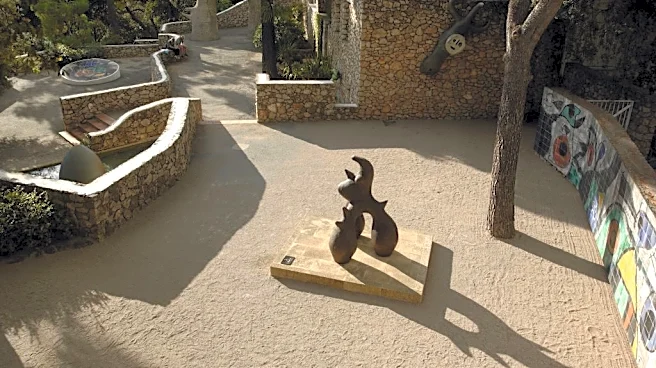
Investigators have revealed that the suspects involved in the recent theft of two Pierre-Auguste Renoir paintings were also planning a separate burglary at the Fondation Maeght on the French Riviera. On September 8, two burglars stole four paintings from
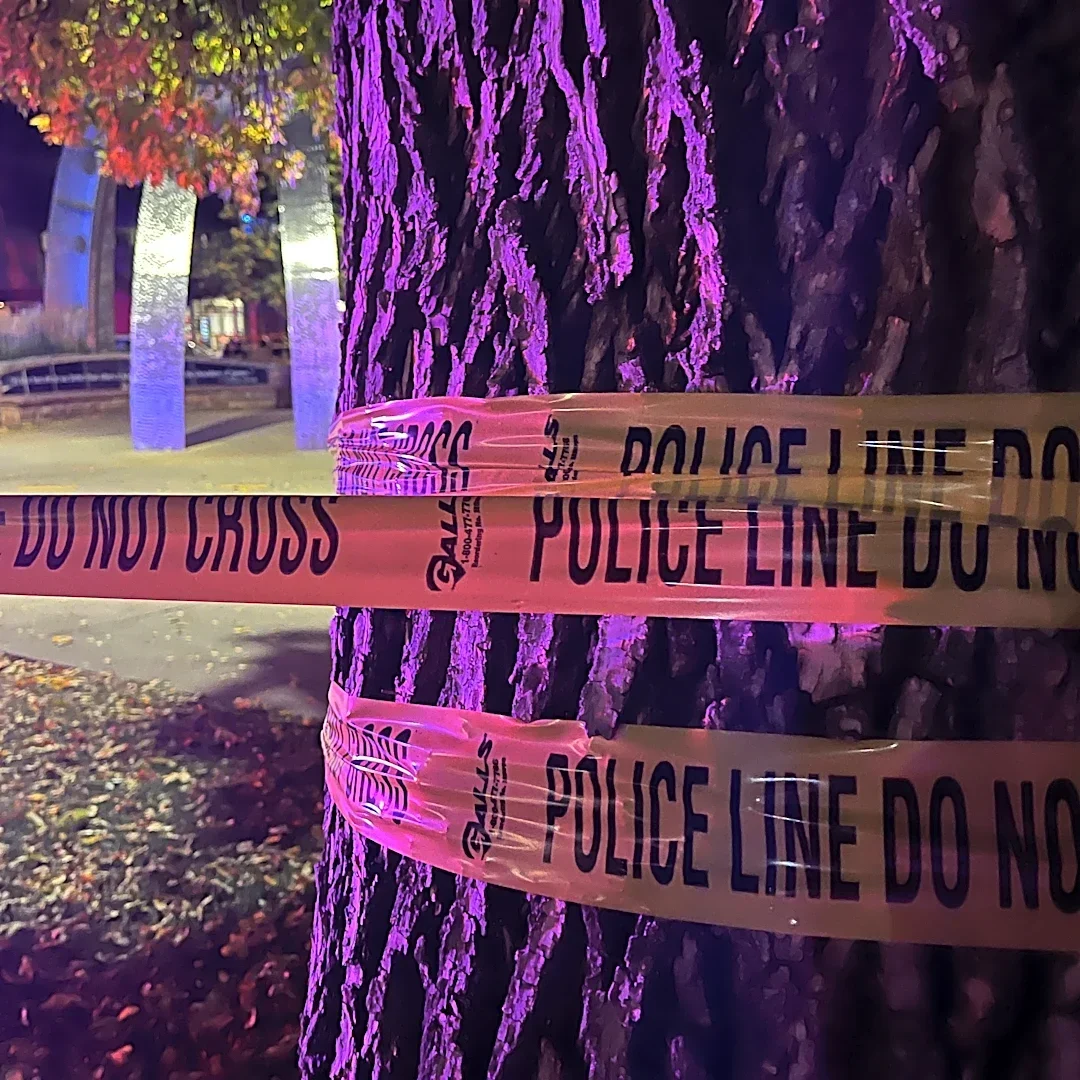
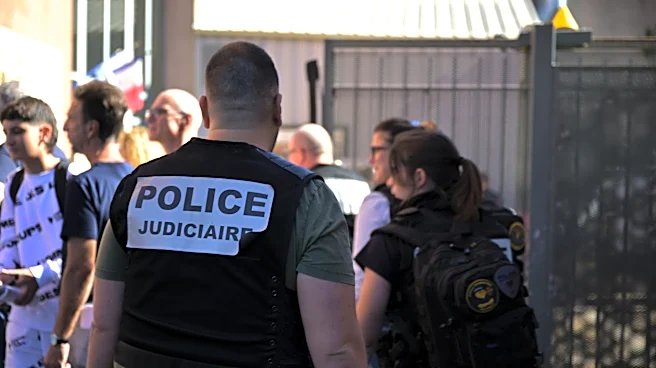
the Renoir Museum in Cagnes-sur-mer, near Nice, including a portrait of Gabrielle Colonna-Romano and 'Jeune Femme au puits'. Two other paintings were dropped during their escape. Five men and one woman were arrested on October 7. One suspect disclosed that the missing paintings, valued at €4 million and on loan from the Musée d’Orsay, were hidden behind a concrete wall in his house near Marseille. The paintings are reportedly in good condition. The main suspect was identified through DNA and was already under surveillance for alleged drug offenses, leading police to uncover the planned second heist.
Why It's Important?
This incident highlights the persistent threat of art theft to cultural institutions globally, including those in the U.S. While this specific event occurred in France, the interconnected nature of the art market means that stolen artworks can quickly cross international borders, impacting U.S. collectors, museums, and law enforcement. The revelation that the thieves were 'opportunist' rather than part of a sophisticated network underscores the vulnerability of museums to less organized, yet still damaging, criminal acts. This could prompt U.S. museums and galleries to review and enhance their security protocols, particularly for high-value or easily accessible works. The involvement of individuals with drug dealing histories also points to the potential for art theft to be linked to broader criminal enterprises, posing challenges for U.S. agencies tasked with combating organized crime and illicit trafficking of cultural property.
What's Next?
The investigation into the Renoir paintings heist and the planned Fondation Maeght robbery will likely continue, focusing on the full extent of the suspects' criminal activities and any potential accomplices. Legal proceedings against the arrested individuals will commence in France. For U.S. art institutions, this event may serve as a catalyst for increased vigilance and investment in advanced security systems, including DNA tracing technologies and enhanced surveillance. There could also be a push for greater international cooperation between law enforcement agencies and cultural heritage organizations to combat art crime more effectively. Discussions might arise within the U.S. art community about the balance between public accessibility to art and the need for robust security measures, especially for valuable and iconic pieces.
Beyond the Headlines
This case sheds light on the often-underestimated vulnerability of cultural heritage to opportunistic crime, challenging the perception that only highly sophisticated art thieves target major institutions. It also exposes the potential for art theft to be a secondary activity for individuals primarily involved in other criminal enterprises, such as drug trafficking. This intertwining of different criminal domains presents complex challenges for law enforcement and intelligence agencies, both domestically and internationally. The recovery of the paintings in 'good condition' is a positive outcome, but the incident underscores the inherent risk of damage or loss to irreplaceable cultural artifacts. It also prompts reflection on the ethical responsibilities of museums in protecting their collections while ensuring public access, and the broader societal value placed on preserving artistic heritage against criminal exploitation.