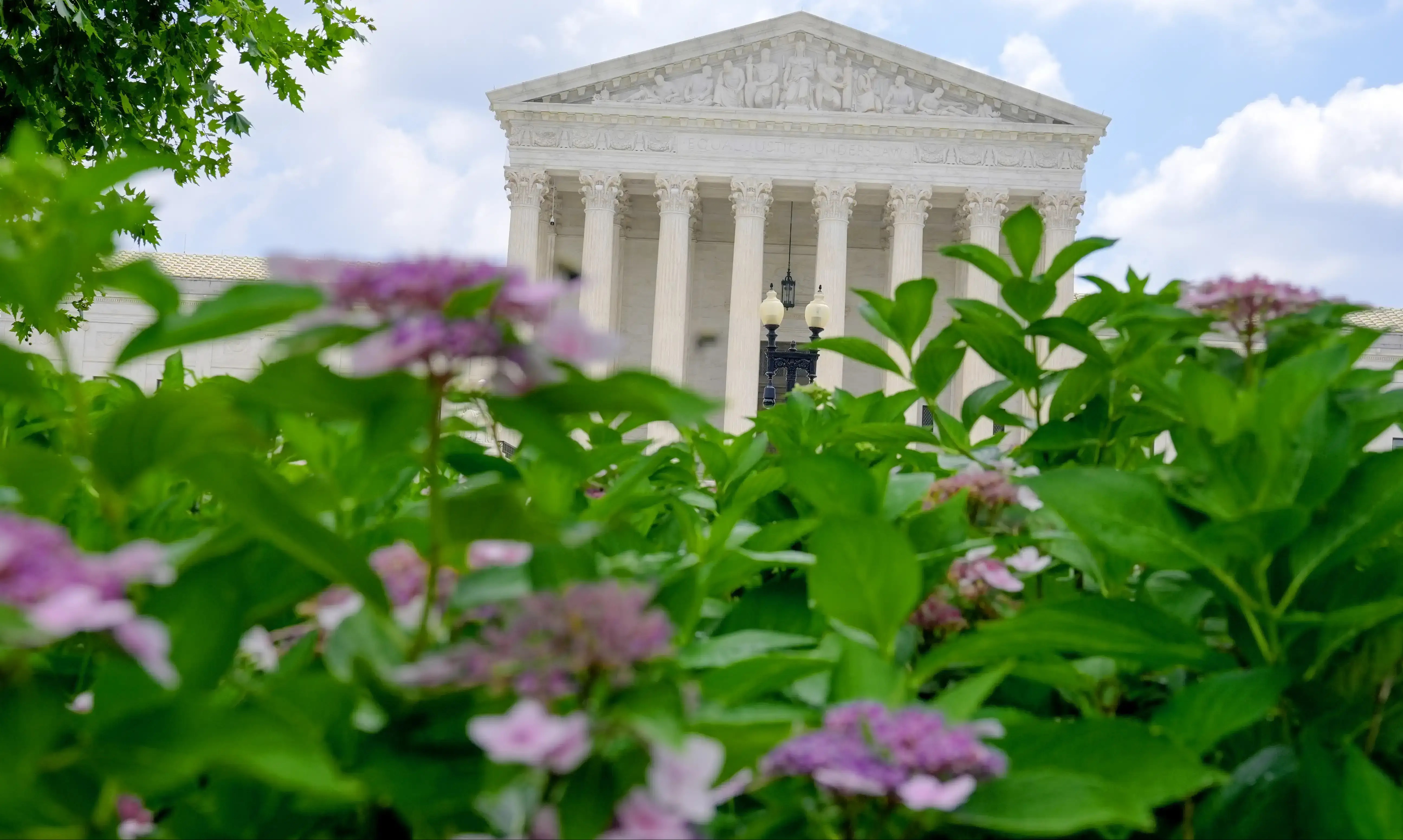









What's Happening?
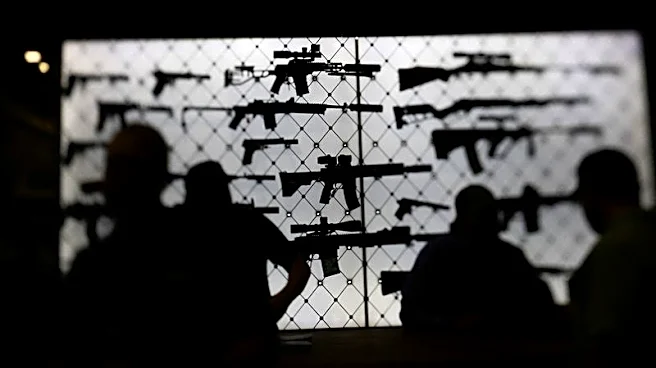
The U.S. Supreme Court has agreed to hear appeals challenging the legality of bans on semiautomatic rifles, commonly referred to as assault weapons, in Connecticut and the Chicago area. These laws, which are similar to those in place in about a dozen
other states, have been enacted in response to mass shootings and are intended to enhance public safety. The Connecticut law was specifically passed following the tragic Sandy Hook Elementary School shooting in 2012, where an AR-15 was used to kill 20 children and six educators. Proponents of the bans argue that these firearms are akin to military-grade weapons and are frequently used in mass shootings, thus justifying their prohibition. However, gun rights advocates contend that such bans infringe upon the Second Amendment, which they argue protects the right to own arms in common use for lawful purposes.
Why It's Important?
The Supreme Court's decision to hear these cases is significant as it could potentially reshape the legal landscape regarding gun control in the United States. A ruling in favor of the bans could affirm the ability of states to impose restrictions on certain types of firearms, potentially leading to more stringent gun control measures nationwide. Conversely, a decision against the bans could bolster the position of gun rights advocates, potentially invalidating similar laws across the country and expanding the scope of the Second Amendment. This case comes in the wake of a 2022 Supreme Court ruling that expanded gun rights, indicating the court's willingness to engage with contentious Second Amendment issues.
What's Next?
The Supreme Court is expected to hear arguments in the fall, with a decision likely to follow in the subsequent months. The outcome will be closely watched by both gun control advocates and gun rights supporters, as it could set a precedent for future legislation and legal challenges. Stakeholders on both sides are likely to intensify their advocacy efforts, with potential implications for upcoming elections and legislative agendas. The decision could also influence public opinion and policy discussions surrounding gun violence and public safety.