

What's Happening?
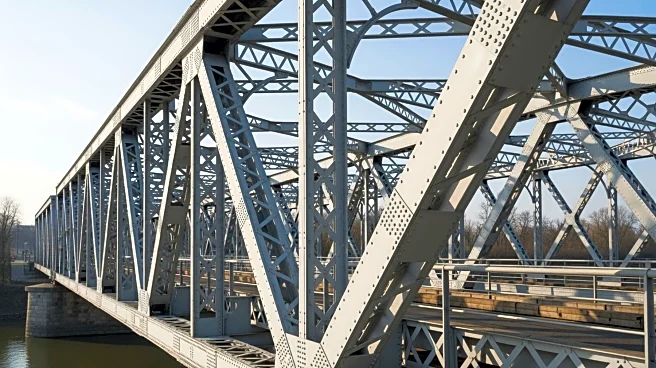
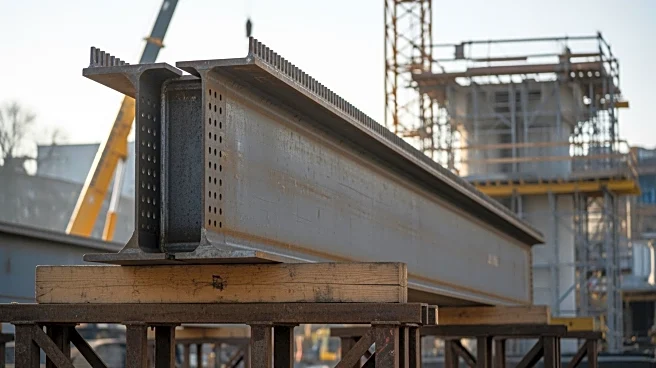
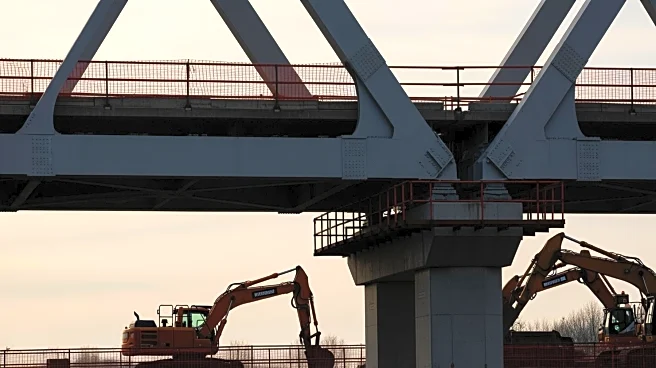
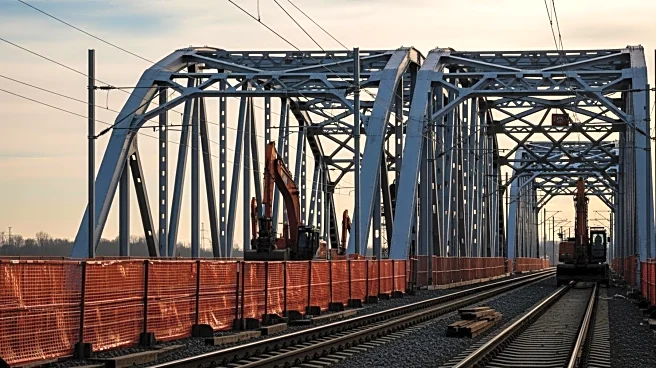
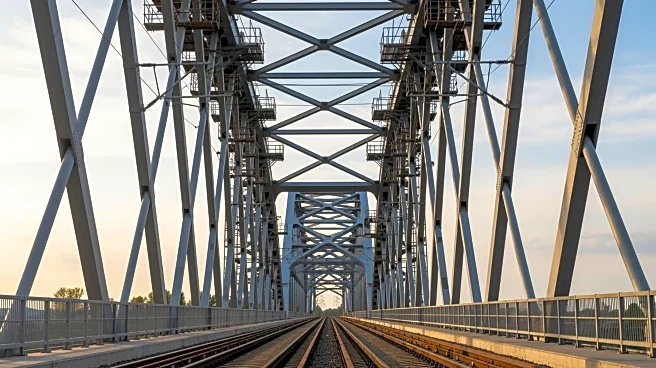
Thousands of commuters using Amtrak and NJ Transit services are expected to experience significant disruptions due to the construction of the new Portal North Bridge over the Hackensack River. This development is part of a larger infrastructure project
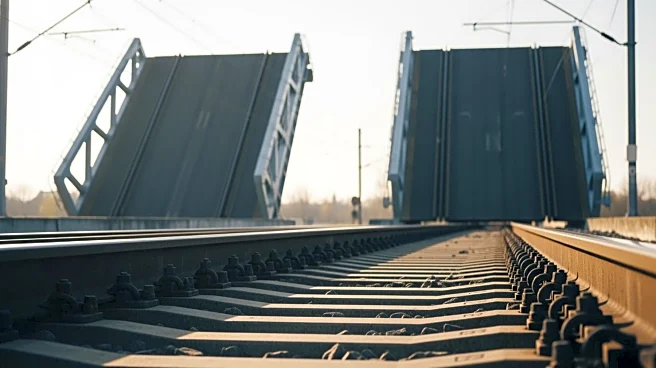
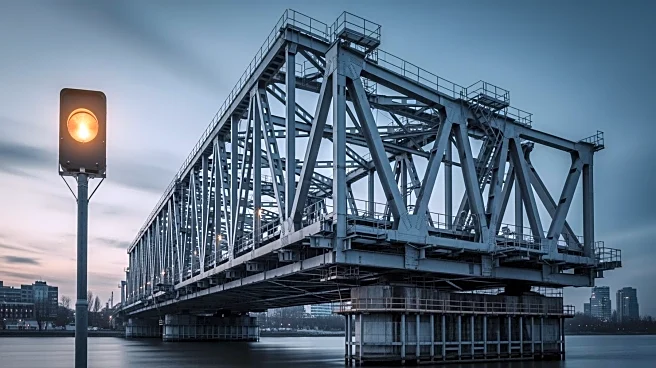
aimed at improving rail service reliability and capacity in the region. The construction will necessitate service adjustments and potential delays for passengers over the next month. The new bridge is intended to replace the existing Portal Bridge, which has been a notorious bottleneck for rail traffic due to its age and frequent malfunctions. The project is a critical component of the broader Gateway Program, which seeks to enhance rail infrastructure in the Northeast Corridor, one of the busiest rail lines in the United States.
Why It's Important?
The construction of the Portal North Bridge is a significant infrastructure project that aims to address longstanding issues with rail service reliability in the Northeast Corridor. The existing Portal Bridge, which the new bridge will replace, has been a major source of delays due to its outdated design and frequent mechanical issues. By improving this critical section of the rail network, the project is expected to enhance the overall efficiency and capacity of rail services in the region. This is particularly important for the thousands of daily commuters who rely on Amtrak and NJ Transit for transportation. The project also represents a substantial investment in infrastructure, which could have broader economic benefits by facilitating more reliable and efficient transportation.
What's Next?
As the construction progresses, commuters can expect continued service adjustments and potential delays. Amtrak and NJ Transit are likely to implement alternative service plans to mitigate the impact on passengers. Communication with commuters will be crucial to ensure they are informed about changes to schedules and routes. Once completed, the new Portal North Bridge is expected to significantly improve rail service reliability and capacity, benefiting both daily commuters and long-distance travelers. The successful completion of this project could also serve as a model for future infrastructure improvements in other parts of the country.