








What's Happening?
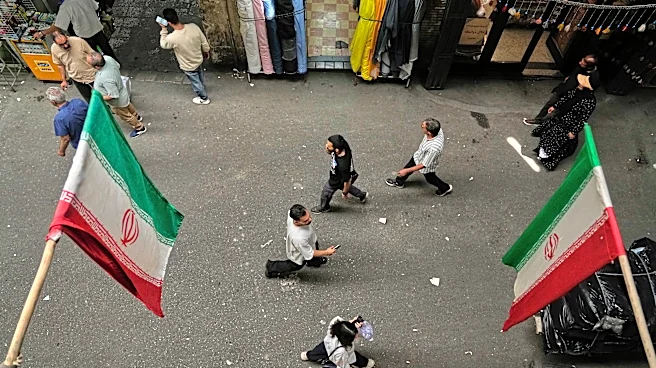
Israel is bracing for potential escalation as it questions the effectiveness of the U.S. blockade strategy on Iran. Prime Minister Benjamin Netanyahu has instructed ministers to refrain from public comments on Iran during this sensitive period. Iran's
Foreign Ministry has received a U.S. response through Pakistan to its proposal aimed at ending the conflict, which is currently under review. The proposal reportedly includes a ceasefire and a regional security framework, but Iran has not agreed to President Trump's demand to relinquish enriched uranium. The U.S. is preparing for possible renewed conflict, which could involve significant military operations. President Trump has indicated skepticism about the acceptability of Iran's plan.
Why It's Important?
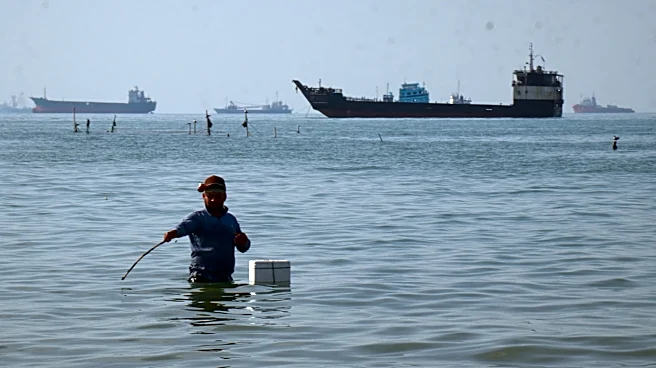
The situation underscores the fragile geopolitical dynamics in the Middle East, with potential implications for regional stability and international relations. Israel's skepticism about the U.S. strategy highlights the complexities of diplomatic negotiations with Iran, particularly concerning nuclear capabilities. The U.S. and Israel's coordinated efforts reflect broader concerns about Iran's influence and military capabilities. The outcome of these negotiations could impact global oil markets, given Iran's strategic position in the Strait of Hormuz, and influence U.S. foreign policy in the region.
What's Next?
The Israeli Security Cabinet is scheduled to meet to discuss the situation further. The U.S. and Israel may need to consider alternative strategies if diplomatic efforts fail. Potential military actions could escalate tensions, affecting regional allies and global stakeholders. The international community will likely monitor the situation closely, with possible implications for future diplomatic engagements with Iran.