



What's Happening?
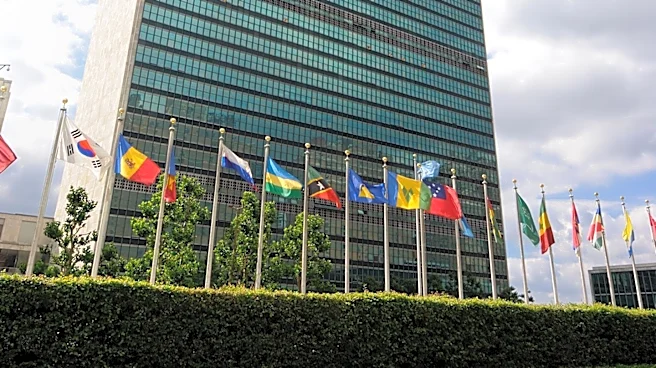
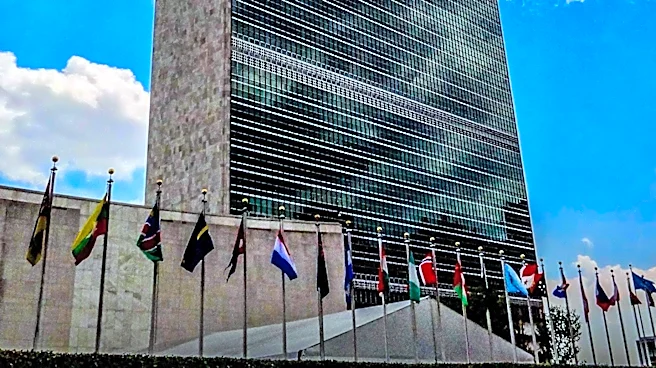
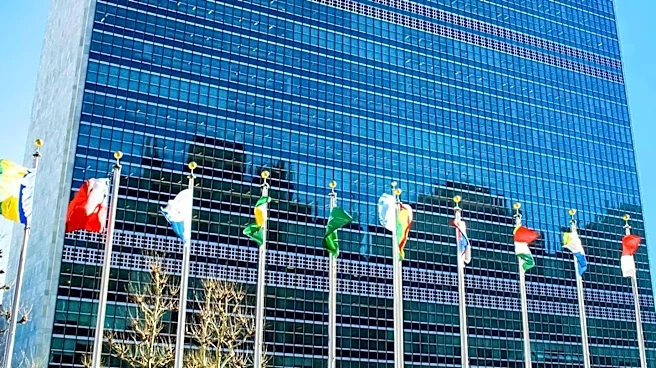
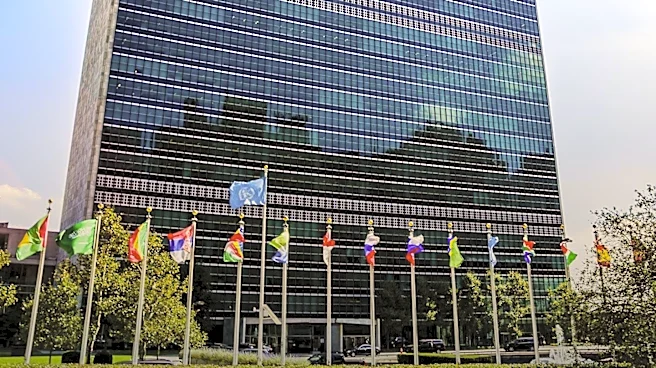
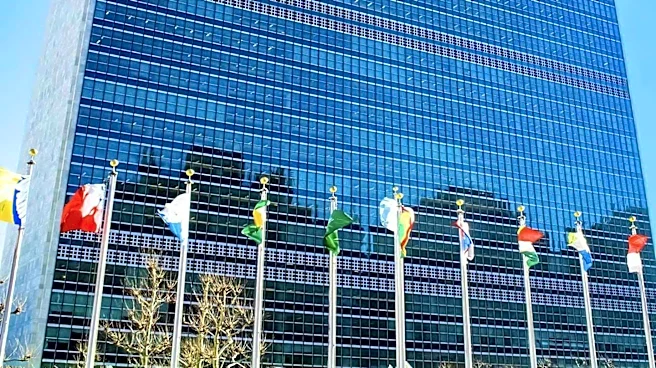
The United Nations was founded in 1945 by representatives from numerous nations, following the devastation of World War II. Its charter outlines core purposes: maintaining international peace and security, fostering friendly relations among nations, promoting
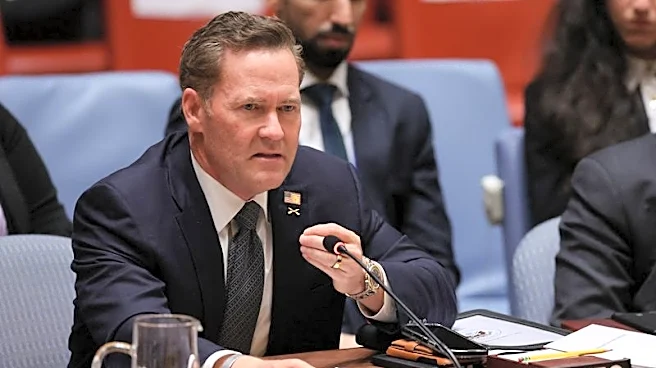
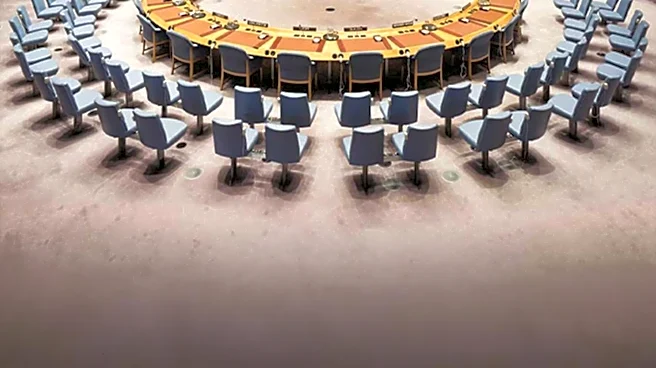
human rights, and encouraging cooperation in resolving global issues. Headquartered in New York, the UN is structured with a General Assembly, where all member nations are represented, and a Security Council, which includes major powers holding permanent seats. Over the decades, the organization has expanded to include nearly all countries worldwide, becoming the leading international body. It operates through various specialized agencies and bodies, focusing on peacekeeping, humanitarian aid, refugee assistance, human rights, global health, and economic development. Despite its mixed record of successes and failures, often influenced by member states' rivalries, the UN remains a crucial platform for international diplomacy and cooperation.
Why It's Important?
The establishment of the United Nations marked a pivotal moment in international relations, representing an ambitious effort to create a framework for global peace and cooperation after the most destructive war in human history. Its significance lies in providing a continuous forum for nations to engage in dialogue, negotiate disputes, and collaborate on shared challenges, rather than resorting to conflict. The UN's work in areas like eradicating diseases (e.g., smallpox by the WHO), aiding refugees, and deploying peacekeeping missions has had tangible positive impacts globally. While it has not eliminated war, it embodies a collective recognition that nations must find ways to coexist peacefully in a world possessing immense destructive capabilities. The organization's enduring presence underscores a fundamental human desire for peace and stability on a global scale.
What's Next?
The United Nations continues to adapt to evolving global challenges, with ongoing efforts to strengthen its effectiveness in maintaining peace and security, promoting human rights, and addressing humanitarian crises. Future initiatives will likely focus on enhancing cooperation among member states to tackle complex issues such as climate change, pandemics, and sustainable development goals. Discussions within the Security Council and General Assembly will continue to shape international responses to conflicts and humanitarian emergencies. The organization will also likely explore new strategies to overcome the limitations posed by member state rivalries and veto powers, aiming to foster greater consensus and more decisive action on critical global matters. The UN's role as a central forum for international dialogue is expected to persist, with continuous efforts to fulfill its founding promise of a more peaceful and cooperative world.
Beyond the Headlines
The founding of the United Nations reflects a profound shift in international thought, moving from a system of power politics to one that, at least in principle, prioritizes collective security and universal human rights. The deliberate inclusion of a Security Council with veto power for major powers was a pragmatic acknowledgment of geopolitical realities post-WWII, aiming to prevent the paralysis that plagued its predecessor, the League of Nations. This structure, while sometimes criticized for hindering action, was designed to ensure the commitment of powerful nations. Furthermore, the Universal Declaration of Human Rights, drafted under Eleanor Roosevelt's leadership, represents a landmark ethical achievement, establishing a common standard for human dignity across diverse cultures and political systems. The UN's ongoing struggle to balance national sovereignty with international responsibility highlights the complex ethical and legal dilemmas inherent in global governance, continually shaping the discourse on international law and humanitarian intervention.