




What's Happening?
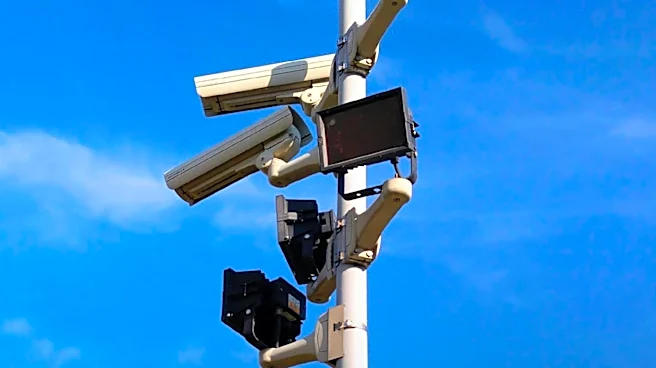
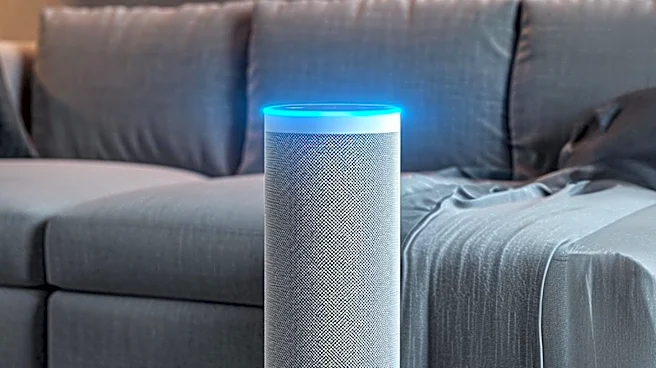
A recent study indicates that 70% of Americans now own up to ten smart home devices, with smart TVs, doorbells, and security cameras being the most popular. The survey of 5,000 homeowners revealed that 59% consider their residence 'smart.' Over the past
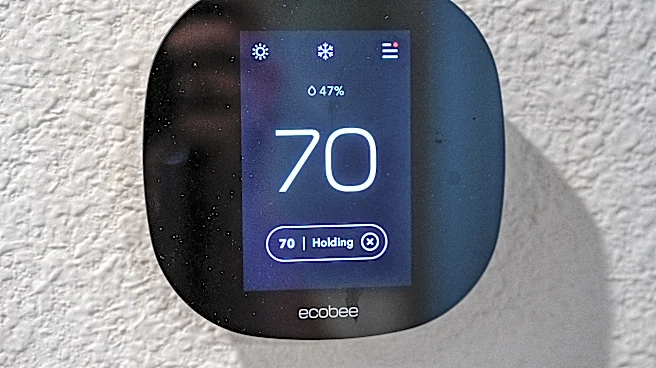
year, smart TVs (23%), doorbells (22%), and outdoor cameras or lighting (16%) were the most frequently purchased smart technologies. Homeowners are increasingly prioritizing smart doorbells, lighting, solar panels, and locks for future purchases. The adoption of smart home technology is significantly influenced by lifestyle shifts and concerns for family welfare and security. Many homeowners are looking for solutions that provide greater visibility and control over energy usage, with connected thermostats and energy monitors gaining interest.
Why It's Important?
The widespread adoption of smart home devices in the U.S. signifies a significant shift in how Americans manage their households, impacting various sectors from technology and retail to energy and security. The focus on security and family welfare highlights a growing consumer need for peace of mind, driving innovation in surveillance and monitoring technologies. The increasing interest in energy-related devices suggests a growing consumer awareness of energy consumption and cost management, which could influence utility companies and renewable energy markets. This trend also presents opportunities for businesses to develop more integrated and user-friendly smart home ecosystems, as consumers seek seamless functionality and professional installation. The willingness to pay more for homes with pre-installed smart setups indicates a rising valuation of these technologies in the real estate market.
What's Next?
As smart home adoption continues to surge, the market is expected to see further integration of AI for enhanced security features, such as detecting unusual activity and automating home functions. The demand for professional installation services is likely to grow, with 80% of homeowners considering such services, indicating a need for reliable setup and interoperability. Manufacturers will likely focus on developing more energy-efficient devices and systems that provide granular control over household consumption. Furthermore, the emphasis on family care, with features like fall alerts and remote health monitoring, suggests a future where smart homes play a more significant role in elder care and family well-being. Privacy concerns will remain a critical factor, pushing companies to build trust through reliable brands and robust data protection measures.
Beyond the Headlines
The rapid integration of smart home technology into daily life raises profound questions about privacy, data security, and the evolving definition of 'home.' While convenience and security are primary drivers, the extensive data collected by these devices—from energy usage to daily routines—presents both opportunities and challenges. Ethical considerations around data ownership, potential misuse, and the implications for personal autonomy will become increasingly central. The reliance on AI for security and automation also brings into focus the need for robust cybersecurity measures to prevent hacking and unauthorized access. Moreover, the growing expectation for professionally installed and integrated systems suggests a future where smart home technology is not just a luxury but a fundamental utility, potentially influencing urban planning and housing development standards across the U.S.