



What's Happening?
California state water regulators have enacted a drastic emergency order that will prohibit thousands of Californians, primarily farmers, from using surface water from streams and rivers. This decision, made by the State Water Resources Control Board,
is described by officials as unprecedented in its scope, affecting approximately 5,700 Northern California and Central Valley water rights holders who collectively possess about 12,500 water rights. The curtailments are largely aimed at agricultural irrigation, though some municipal, industrial, and commercial entities will also be impacted. An exemption is in place for water used for health and human safety purposes, such as drinking and bathing. The emergency regulation follows a rapid worsening of drought conditions, with an almost 800,000 acre-feet decrease in expected snowpack runoff between April and May, an amount nearly equivalent to the capacity of Folsom Reservoir. Governor Gavin Newsom declared a drought emergency in 41 of California’s 58 counties on May 10, and many farmers had already been warned of minimal water allocations from federal and state projects.
Why It's Important?
This unprecedented level of water curtailment highlights the severe and intensifying impact of climate change on California's water resources, particularly for its vital agricultural sector. The inclusion of senior water rights holders in these restrictions, a rare occurrence, underscores the gravity of the hydrological conditions. While some farmers may be able to mitigate the impact by tapping into groundwater or alternative supplies, these options come with complications, including potentially prohibitive costs for purchasing water and regulations on groundwater use under the 2014 Sustainable Groundwater Management Act. The long-term implications could include significant financial hardship for farmers, particularly those who invested in properties based on the security of their water rights. The situation also raises concerns about the state's ability to manage water resources effectively in the face of increasingly frequent and severe drought cycles, potentially leading to more routine curtailments in the future, as suggested by experts like Jay Lund, co-director of the Center for Watershed Sciences at UC Davis.
What's Next?
The emergency curtailment order for the Sacramento-San Joaquin Delta watershed is expected to go into effect approximately two weeks after its approval by the State Water Resources Control Board, pending final approval from the state Office of Administrative Law. Formal curtailment orders will then be issued to the affected water rights holders. While the immediate impact on food prices is not expected to be significant, according to economic forecaster Jeffrey Michael, the long-term outlook remains uncertain, especially if California experiences another dry year. Farmers and other stakeholders are likely to explore legal challenges, though experts like Karrigan Bork, an acting professor of law at UC Davis, believe the state water board has structured the current process to withstand such challenges. The state will also need to continue monitoring hydrological conditions and potentially implement further measures if drought persists, with officials concerned about maintaining sufficient Delta outflows to prevent saltwater intrusion into the water supply for millions of Californians and vast agricultural lands.
Beyond the Headlines
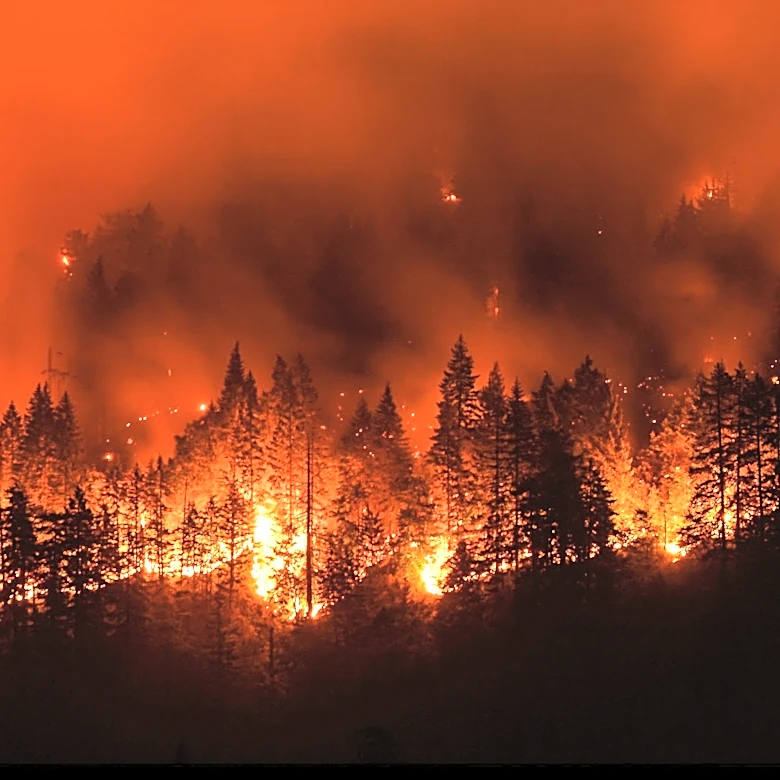
The current water crisis in California extends beyond immediate agricultural and economic concerns, revealing deeper systemic challenges related to infrastructure, regulatory frameworks, and the long-term effects of climate change. The rapid and unexpected loss of snowpack runoff, attributed to higher temperatures, drier soils, and the impact of large-scale fires, indicates that climate change models are manifesting sooner and more severely than anticipated. This situation prompts a critical re-evaluation of California's water management strategies, including the need for expanded water storage capacity, improved weather forecasting, and potentially reconsidering practices like Delta dredging for both water management and fish habitat. The public health consequences, such as the drying of the southern San Joaquin Valley and increased concerns about Valley fever among outdoor workers, highlight the broader societal impacts of water scarcity. The debate also touches on the balance between environmental protections and infrastructure development, with calls for a more collaborative approach between state and federal entities to address these complex issues.