
What's Happening?
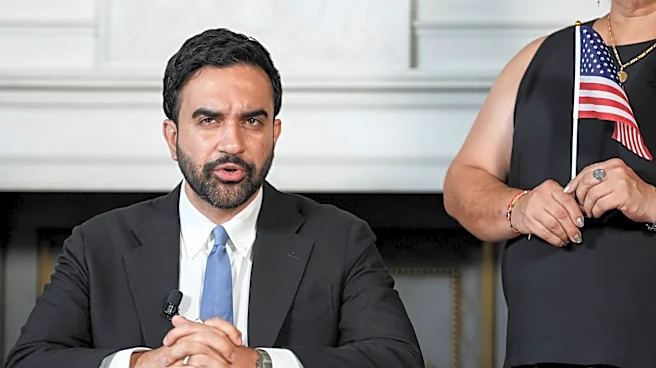
New York City is significantly expanding its Bureau of Coastal Resilience with a $43.2 million investment, as announced by Mayor Zohran Mamdani. This expansion aims to bolster the city's defenses against
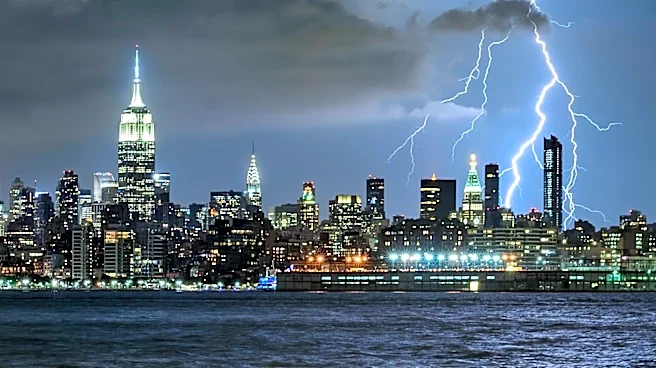
climate change, particularly rising sea levels and extreme weather events. The Bureau, initially established in 2023 with a modest budget and staff, will now hire 69 additional personnel, including engineers and flood experts, to enhance its capacity. This move comes in response to recent severe storms that caused flooding in the city. The Bureau is currently managing 15 infrastructure projects, including the $1.45 billion East Side Coastal Resiliency project, set to be operational by 2027. A report by Rebuild by Design highlights the need for $519 billion in infrastructure spending by 2050 to adequately prepare for climate impacts.
Why It's Important?
The expansion of the Bureau of Coastal Resilience is crucial for New York City, which faces significant risks from climate change due to its extensive coastline and dense population. The investment not only aims to protect the city from future flooding and extreme weather but also creates job opportunities in resilience planning and infrastructure development. The initiative reflects a broader trend of urban areas investing in climate adaptation measures to safeguard communities and economic assets. With $387 billion projected to be spent on climate adaptation in New York City alone, the move underscores the financial and strategic importance of resilience planning in urban policy.
What's Next?
The expanded Bureau will focus on completing ongoing projects and initiating new studies for long-term resilience strategies. As the city continues to face climate challenges, further investments and policy measures are expected to enhance infrastructure and community preparedness. Stakeholders, including local governments and nonprofit organizations, will likely collaborate to ensure effective implementation and community engagement in resilience efforts. The success of these initiatives could serve as a model for other cities facing similar climate threats.