



What's Happening?
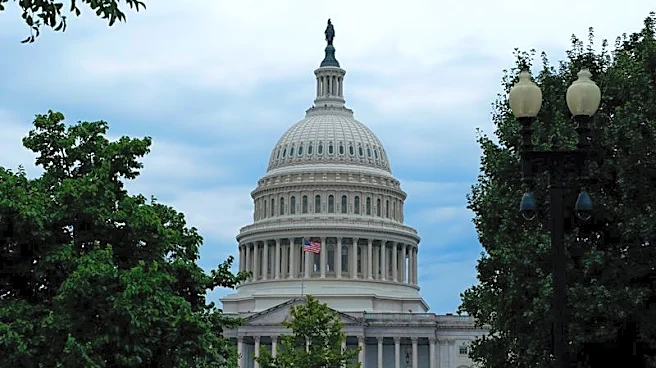
The American Library Association (ALA) and the American Association of School Librarians (AASL) have officially endorsed the bicameral Quality Educator Partnership Act (QEPA). This legislation, introduced in the U.S. Senate (S.5549) by Senator Jack Reed
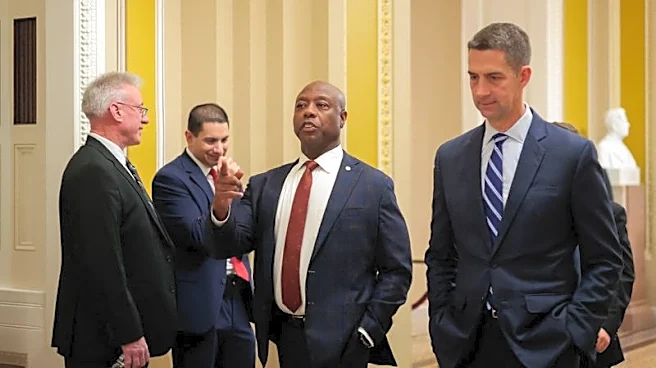
(D-RI) and in the U.S. House of Representatives (H.R.10530) by Congresswoman Alma Adams (D-NC), aims to tackle nationwide educator shortages. The bill's provisions specifically include school library media specialists or use the broader term 'educator,' which encompasses them. QEPA seeks to build federal infrastructure, remove barriers to the education profession, expand preparation pathways, and strengthen data and accountability. It also promotes initiatives to make education a more attractive, affordable, and sustainable career choice. Key co-sponsors include Senator Chris Van Hollen (D-MD), Senator Ron Wyden (D-OR), Rep. Suzanne Bonamici (D-OR), Rep. Jahana Hayes (D-CT), and Rep. Emilia Sykes (D-OH).
Why It's Important?
This endorsement is significant because it highlights a concerted effort to address the critical shortage of educators across the United States, including school librarians. The inclusion of school library media specialists in the legislation underscores their recognized role as essential educators, a point emphasized by ALA President Dr. Maria McCauley and AASL President Dr. April Dawkins. By establishing a National Educator Service Corps, offering tuition assistance and stipends, and providing workforce development grants, the QEPA aims to create more affordable and accessible pathways into the teaching profession. This could lead to a more robust and diverse educator workforce, ultimately benefiting students, especially in high-need schools. The bill's focus on improving data collection and promoting evidence-based approaches also signals a commitment to long-term systemic improvements in educator preparation and retention, which are crucial for the future of U.S. education.
What's Next?
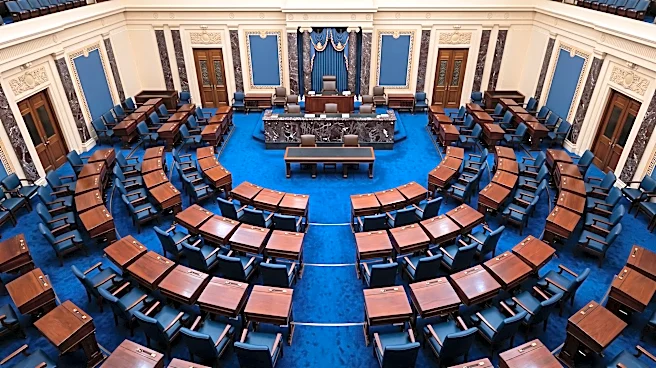
The ALA and AASL are encouraging library advocates to engage with their representatives and senators to build support for the Quality Educator Partnership Act. The bill will proceed through the legislative process in both the Senate and the House, where it will undergo committee review and potential amendments before being considered for a vote. If passed, the legislation would establish new federal infrastructure, including an Office of Educator Workforce and an Office of Educational Technology and Digital Literacy within the U.S. Department of Education. It would also authorize at least $500 million per year for the National Educator Service Corps activities. The success of this bill could lead to significant changes in how educators are recruited, trained, and retained in the U.S., potentially alleviating current shortages and improving educational outcomes.
Beyond the Headlines
Beyond the immediate goal of addressing educator shortages, the Quality Educator Partnership Act touches upon broader societal implications regarding the value placed on the education profession. By making teaching a more attractive and sustainable career, the bill could help shift public perception and encourage more individuals to pursue careers in education. The emphasis on supporting school librarians also highlights the evolving role of libraries in modern education, recognizing them as vital centers for learning and skill development. Furthermore, the bill's focus on data and accountability could lead to a more evidence-based approach to education policy, ensuring that resources are effectively allocated to address the most pressing needs. This legislative effort reflects a growing understanding that investing in educators is an investment in the nation's future, impacting everything from economic competitiveness to civic engagement.