





What's Happening?
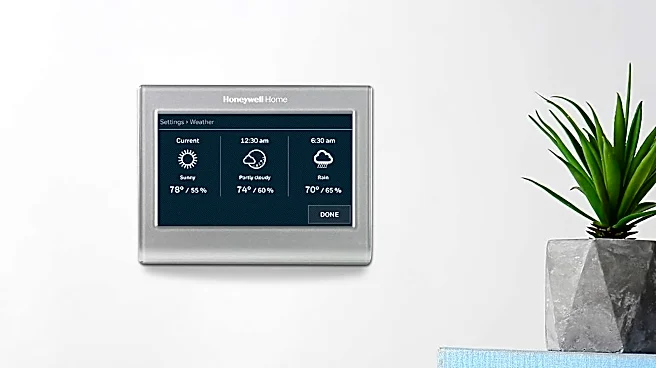
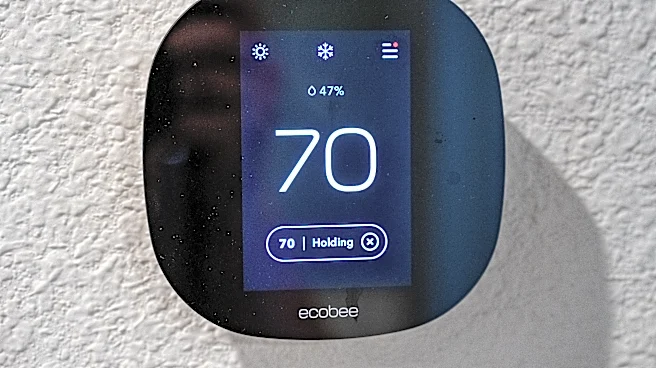
Smart thermostats are increasingly integrating advanced features to optimize home heating and cooling, offering compatibility with Android and Apple devices, as well as voice assistants like Amazon Alexa and Google Assistant. These devices utilize machine
learning to create personalized temperature schedules, adapt to occupancy through extra sensors, and employ geofencing to adjust settings based on a user's location. Energy history tracking is also a common feature, allowing homeowners to monitor and identify areas for energy savings. Leading brands in this sector include Nest, known for its learning capabilities and customizable display, and Honeywell Home, which uses algorithms to learn family temperature preferences. Other top picks highlighted by experts include the Ecobee Smart Thermostat Premium, Google Nest Thermostat, Google Nest Learning Thermostat (4th Generation), and Trane Link UX360. These devices aim to provide both convenience through smartphone control and significant energy cost reductions, with Energy Star-certified models saving an average of 8% on heating and cooling bills.
Why It's Important?
The widespread adoption of smart thermostats has significant implications for U.S. households and the energy sector. For consumers, these devices offer a tangible path to reduced energy bills and enhanced home comfort through automated, intelligent climate control. The integration with popular smart home ecosystems like Google Home, Amazon Alexa, and Apple Home simplifies management and makes smart technology more accessible. This shift towards smarter energy consumption can also contribute to broader energy efficiency goals, potentially reducing strain on the national power grid during peak demand periods. The competitive landscape among brands like Nest, Honeywell, Ecobee, and Trane drives innovation, leading to more sophisticated features and better user experiences. As these technologies become more prevalent, they could influence building codes and energy efficiency standards, pushing for smarter, more sustainable home environments across the country. The ability to track energy consumption also empowers homeowners to make more informed decisions about their energy use.
What's Next?
The smart thermostat market is expected to continue its rapid evolution, with ongoing advancements in machine learning, sensor technology, and integration capabilities. Future developments may include more seamless integration with other smart home devices, such as smart lighting and window coverings, to create a fully optimized home environment. The focus will likely remain on improving energy efficiency and user convenience, potentially leading to even greater savings for consumers. As more homes adopt these technologies, there could be increased demand for professional installation services, especially for older homes requiring C-wire installations. Furthermore, the data collected by these devices could offer valuable insights for energy providers and policymakers, informing strategies for demand response programs and grid management. The introduction of new Apple Home compatible thermostats from LG and Schneider Home, set to be available in December 2026, indicates a continued expansion of options and increased competition in the market.
Beyond the Headlines
Beyond the immediate benefits of cost savings and comfort, the proliferation of smart thermostats represents a broader cultural shift towards automated and data-driven living. These devices are not just about temperature control; they are data collection points that provide insights into household occupancy patterns, energy usage, and even local weather conditions. This data, while primarily used for optimizing home climate, could have wider implications for urban planning, energy infrastructure development, and even personalized services. Ethical considerations around data privacy and security will become increasingly important as these devices become more integrated into daily life. The push for energy efficiency also aligns with growing environmental consciousness, positioning smart thermostats as a key component in the broader movement towards sustainable living and reducing carbon footprints at the individual household level. The convenience offered by these devices also subtly reshapes expectations for home management, making manual adjustments seem increasingly archaic.