







What's Happening?
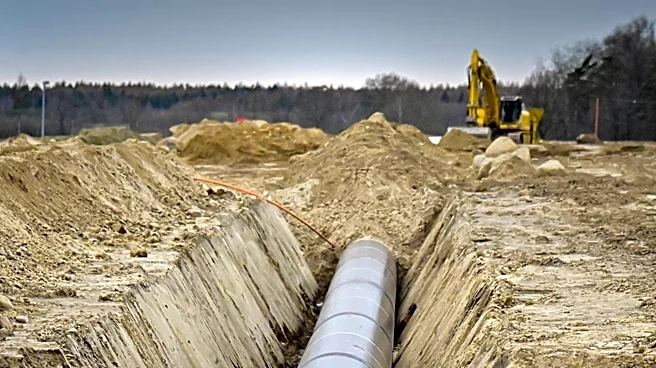
Texas is confronting a critical shortage of underground space for disposing of nearly 1 billion gallons of wastewater generated daily by oil and gas production in the Permian Basin. This toxic wastewater, known as produced water, is typically injected
underground, but this practice has led to increased underground pressure, causing earthquakes and blowouts. In response, the oil industry is actively seeking alternative methods to treat and reuse this produced water. The Texas Commission on Environmental Quality (TCEQ) is currently developing two permitting programs for reusing treated produced water. While the agency began accepting permit applications to discharge treated wastewater into rivers in 2024, no permits have been issued yet. Additionally, TCEQ released a proposed rule earlier this year to allow treated produced water to be applied on land for irrigation or rangeland restoration. Elected officials and industry leaders, including Commissioner Jim Wright of the Railroad Commission, are urging TCEQ to finalize and issue these permits promptly, warning that continued delays could restrict oil and gas development across the Permian Basin. However, public concern remains high, with over two-thirds of commenters opposing the draft land application rule, and environmental groups like the Sierra Club Lone Star Chapter advocating for more robust research before regulations are finalized.
Why It's Important?
The escalating pressure to permit the discharge of treated drilling wastewater into Texas rivers and rangeland carries significant implications for both the environment and the state's economy. The Permian Basin, a major oil-producing region, faces potential constraints on oil production if viable alternatives for wastewater disposal are not established. This could impact energy supply and the economic stability of Texas, which heavily relies on the oil and gas industry. However, the proposed solutions raise substantial environmental and public health concerns. Produced water contains numerous hazardous compounds, including bromide, arsenic, strontium, barium, radioactive isotopes, and volatile organic compounds. Discharging this treated water into rivers or applying it to land could introduce these contaminants into ecosystems, potentially affecting drinking water sources, aquatic life, and agricultural lands. The tension between economic necessity and environmental protection highlights a critical policy challenge, with stakeholders on both sides advocating for their interests. The outcome of TCEQ's permitting process will set a precedent for how industrial waste is managed in resource-intensive regions, influencing regulatory frameworks and environmental standards nationwide.
What's Next?
The Texas Commission on Environmental Quality (TCEQ) is expected to continue its work on finalizing and issuing permits for the discharge and land application of treated produced water. Industry leaders, such as Michael Lozano of the Permian Basin Petroleum Association, will likely maintain pressure on TCEQ for a swift resolution, emphasizing the potential for oil and gas development restrictions. Meanwhile, environmental groups and concerned citizens will continue to advocate for more comprehensive research and stricter water quality standards before permits are granted. Pilot projects, like the one by Texas Pacific Water Resources utilizing freeze desalination technology, will proceed, providing more data on treatment effectiveness and potential environmental impacts. The results of ongoing scientific studies, including multi-year research on the cumulative effects of irrigation with treated produced water, will be crucial in informing future regulatory decisions. The public will also be closely watching for TCEQ's public disclosure of water quality standards for hazardous compounds and the required monitoring protocols for treated produced water. The timeline for issuing the first permits remains uncertain, but the debate between economic expediency and environmental safety is set to intensify.
Beyond the Headlines
The debate surrounding the treatment and disposal of produced water in Texas extends beyond immediate economic and environmental concerns, touching upon deeper ethical and scientific considerations. The push to rapidly implement new disposal methods, despite ongoing research into the long-term safety and efficacy of treatment technologies, highlights a fundamental tension between industrial demands and precautionary environmental principles. The lack of comprehensive water quality characterization and toxicity studies for treated produced water, as noted by researchers, raises questions about the adequacy of current scientific understanding to inform regulatory decisions. Furthermore, the economic feasibility of advanced treatment methods, such as energy-intensive desalination, compared to traditional underground injection, underscores the financial pressures influencing environmental choices. The public's strong opposition to the proposed land application rule reflects a broader societal distrust in regulatory processes that appear to prioritize industry needs over public health and ecological integrity. This situation could set a precedent for how other states with significant oil and gas operations manage their wastewater, potentially influencing national environmental policy and the balance between energy production and environmental stewardship.