



What's Happening?
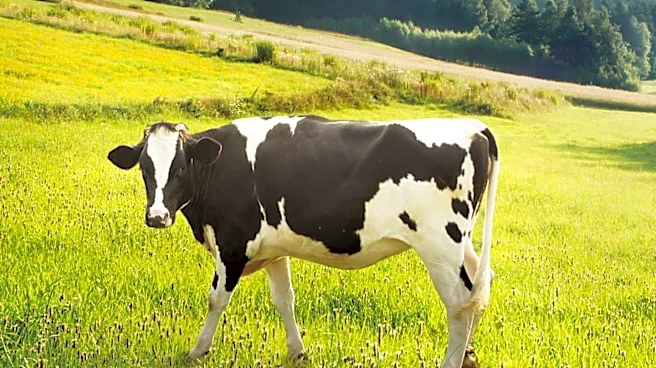
The impact of climate change on tropical dairy farming is becoming increasingly evident, with rising temperatures and heat stress affecting milk production. In tropical regions like Indonesia, even small increases in temperature can place dairy cows under
physiological stress, reducing productivity and increasing costs. Discussions at the 7th International Conference on Environmental Engineering highlighted the need for proactive climate adaptation strategies in livestock farming. Researchers emphasize the importance of anticipating environmental crises through science, innovation, and better management, rather than merely reacting to them.
Why It's Important?
Climate adaptation in dairy farming is crucial for maintaining food security and economic stability in tropical regions. As temperatures rise, the productivity of dairy cows decreases, leading to potential shortages in milk supply and increased production costs. This can have significant economic implications for farmers and the broader agricultural sector. Implementing climate-smart practices and technologies can help mitigate these impacts, ensuring the sustainability of dairy farming in the face of climate change. The broader significance lies in the need for integrated approaches to climate adaptation across various sectors to build resilience against environmental changes.
What's Next?
The future of tropical dairy farming will likely involve the adoption of precision livestock farming technologies, such as environmental sensors and IoT systems, to monitor and manage heat stress. Collaboration among researchers, government agencies, and farmers will be essential to translate scientific discoveries into practical innovations. Policymakers may need to prioritize climate adaptation as a national food security investment, supporting initiatives that enhance the resilience of dairy farming systems. The integration of climate-smart practices across the agricultural sector will be critical in addressing the challenges posed by climate change.
Beyond the Headlines
The shift towards climate adaptation in dairy farming reflects a broader trend towards sustainable agricultural practices. This transition involves not only technological advancements but also changes in management philosophies and policy frameworks. The emphasis on proactive adaptation strategies highlights the importance of anticipating environmental changes and building resilience, rather than relying solely on reactive measures. This approach aligns with global efforts to achieve sustainable development goals and address the multifaceted challenges of climate change.