





What's Happening?
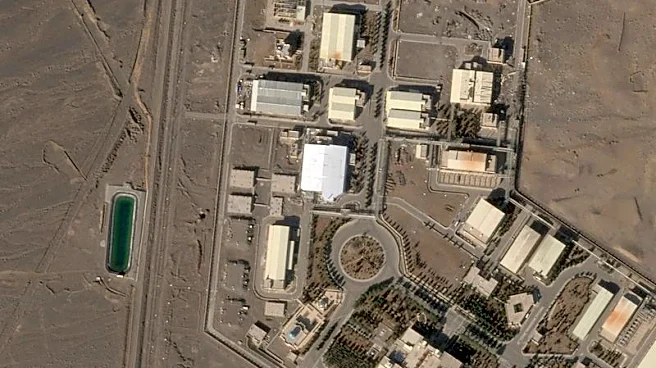
The White House has criticized a Bloomberg report suggesting that Iran is at greater risk of developing a nuclear weapon following the 2025 strikes that destroyed Tehran's nuclear infrastructure. White House deputy spokeswoman Anna Kelly refuted the claim,
stating that Iran's nuclear facilities were obliterated during Operation Midnight Hammer, leaving them without functioning enrichment facilities or military defenses. The International Atomic Energy Agency (IAEA) has expressed concerns over the inability to verify Iran's enriched uranium, but experts argue that the material is effectively entombed and inaccessible.
Why It's Important?
The debate over Iran's nuclear capabilities is crucial for international security and U.S. foreign policy. The White House's response highlights the ongoing tension between Iran and the U.S., as well as the challenges in monitoring nuclear materials. The situation impacts diplomatic relations and could influence future negotiations or military strategies. Ensuring accurate assessments of nuclear risks is vital for maintaining global stability and preventing nuclear proliferation.
What's Next?
The U.S. and its allies may continue to monitor Iran's nuclear sites closely, potentially leading to further diplomatic or military actions. The IAEA's inability to verify the status of enriched uranium may prompt discussions on improving international nuclear monitoring systems. The situation could also affect U.S. policy decisions regarding Iran and influence broader geopolitical dynamics in the Middle East.