



What's Happening?
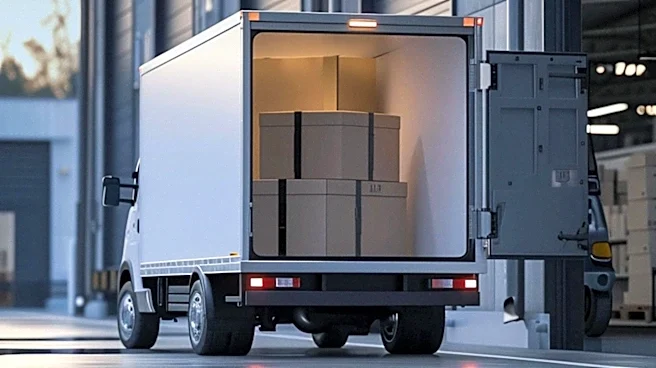
The United States Postal Service (USPS) is providing clarification on its 'In Transit to Next Facility' tracking status, particularly in light of its 2024-2026 network redesign. This status indicates that a package has left one USPS facility and is en
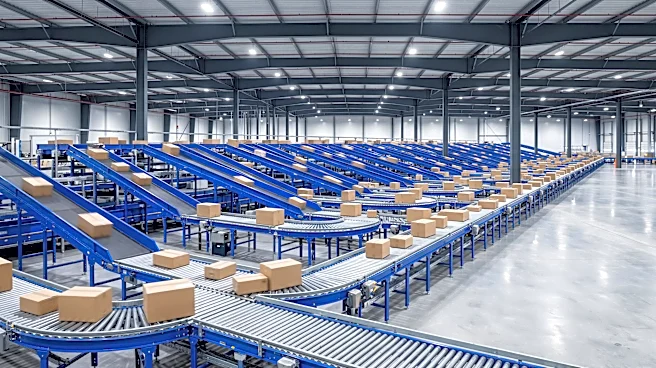
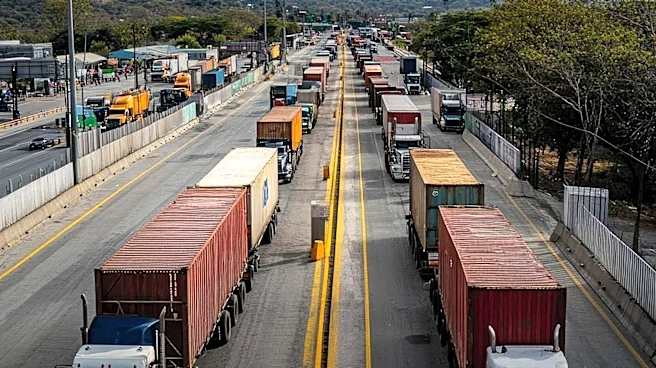
route to the next. The duration of this status depends on the service class (e.g., Priority Mail 1-3 days, Ground Advantage 2-5 days, Media Mail 2-8 days) and the shipping zone. The network redesign has consolidated sorting into fewer, larger Regional Processing and Distribution Centers (RPDCs), leading to more facility transfers and longer 'silent' legs (RPDC-to-RPDC line-hauls) where no scans occur. It is normal to see 'In Transit' multiple times as a package moves through Local Processing Centers, RPDCs, and Sorting and Delivery Centers.
Why It's Important?
This clarification is crucial for managing customer expectations and reducing unnecessary inquiries about package delays. Misinterpreting the 'In Transit to Next Facility' status can lead to premature concerns about lost or stalled packages. By explaining that scan gaps are normal, especially during the long line-haul legs between RPDCs, the USPS aims to educate customers and shippers. Understanding that the network redesign involves more facility hops and that silent transit periods are by design helps users differentiate between normal progress and actual issues. This transparency is vital for maintaining trust in the tracking system and for efficient customer service, as it empowers users to assess their package's status more accurately based on service type, zone, and the new network structure.
What's Next?
Customers and shippers are advised to match the scan gap to their USPS service and zone before escalating concerns. The estimated delivery date should be the primary indicator, and investigation is only warranted if the same scan repeats past the service commitment window with no forward movement. The USPS encourages users to consider the direction of scan locations, ensuring they trend towards the destination. The 2024-2026 network redesign will continue to influence package routing and tracking patterns, making it essential for users to understand these operational changes. The USPS will likely continue to provide updates and educational materials to help the public navigate the evolving tracking experience.
Beyond the Headlines
The explanation of the 'In Transit to Next Facility' status and the impact of the network redesign highlights the complex logistics involved in modern mail and package delivery. The consolidation of processing centers, while aimed at improving efficiency and long-term financial sustainability for the USPS, introduces new dynamics to the tracking experience. This shift reflects a broader trend in logistics towards optimizing hub-and-spoke models, which can lead to longer periods without intermediate scans. The challenge for the USPS is to effectively communicate these operational realities to a public accustomed to frequent tracking updates. This situation also underscores the importance of robust communication strategies in large-scale infrastructure transformations, ensuring that technological and operational changes do not inadvertently erode customer confidence.