

What's Happening?
The United States and Iran are set to hold a second round of nuclear talks in Geneva, following an initial meeting in Oman. Iranian Foreign Minister Abbas Araghchi has emphasized the need for a fair deal, rejecting any submission to threats. The talks occur
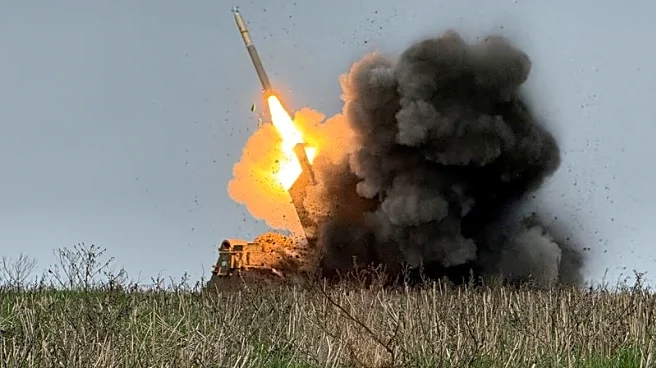
against a backdrop of increased U.S. military presence in the Middle East, with President Trump threatening force if Iran does not agree to constrain its nuclear program. Iran has responded with threats of its own, and tensions are high as both nations conduct military exercises in the region. The discussions aim to address Iran's nuclear activities, which have been difficult to verify since a conflict with Israel in June.
Why It's Important?
The outcome of these talks could significantly impact regional stability and international relations. A successful agreement may ease tensions and prevent military escalation, benefiting global security and economic interests, particularly in the oil-rich Middle East. Conversely, failure to reach a deal could lead to increased sanctions on Iran, further straining its economy and potentially leading to military conflict. The talks also have implications for U.S. foreign policy and its relationships with allies in the region, who are concerned about Iran's missile capabilities and nuclear ambitions.
What's Next?
The next steps involve continued negotiations, with both sides needing to find common ground on key issues such as uranium enrichment and sanctions relief. The U.S. is also engaged in separate talks with Russia and Ukraine in Geneva, indicating a busy diplomatic agenda. The international community will be closely watching for any signs of progress or setbacks, as the stakes are high for regional peace and security.