




What's Happening?
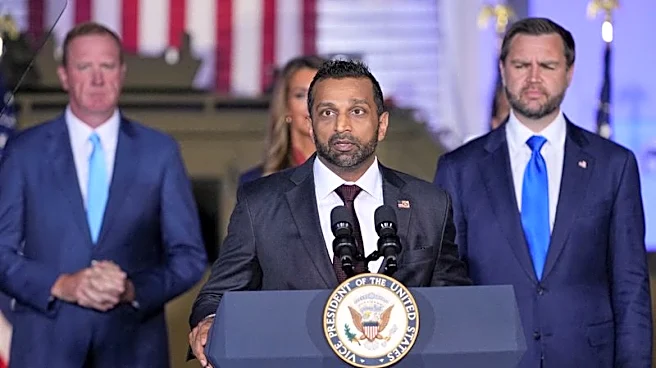
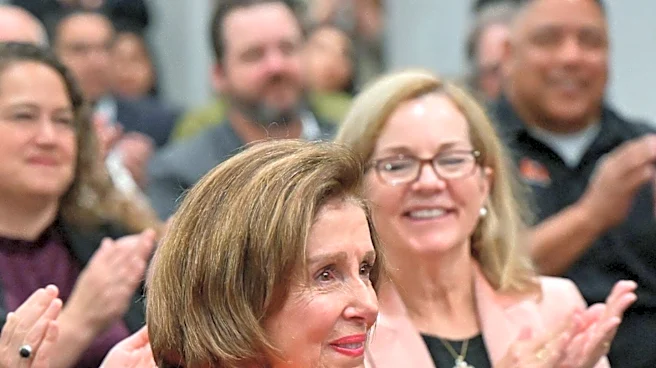
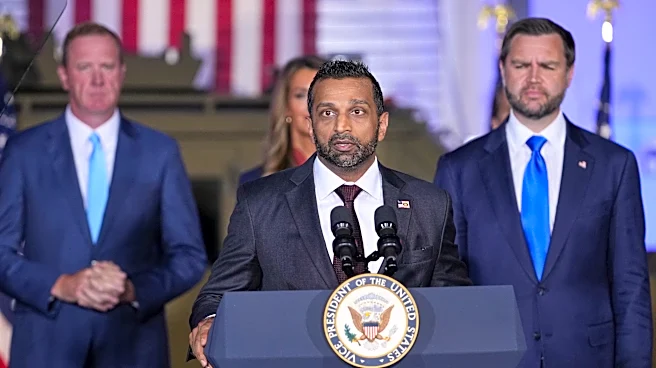
Representative Jahana Hayes of Waterbury, along with 58 other House Democrats led by Representative Ayanna Pressley, signed a letter to Attorney General Todd Blanche and FBI Director Kash Patel. The letter expresses 'significant suspicion of foul play'
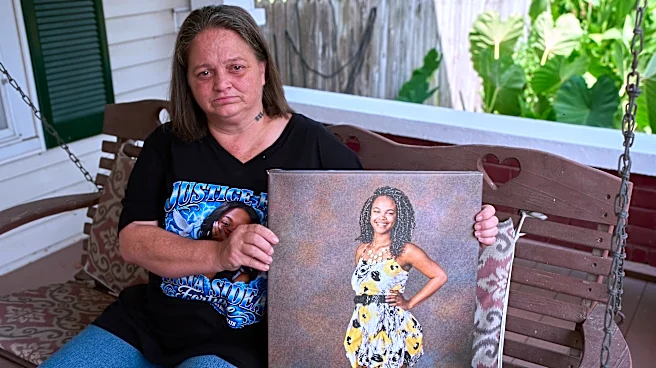
regarding a cluster of hanging deaths involving Black Americans, suggesting a national outbreak of racial terror and implying federal inaction is 'tantamount to complicity.' The Democrats' letter references the historical role of lynching in the U.S. and cites JULIAN’s Crimson Record, which reinterprets deaths previously ruled as suicides, accidents, jail deaths, or homicides without a proven bias motive as 'modern-day lynchings.' The letter has drawn criticism for allegedly misrepresenting official records and for not distinguishing between documented facts and inferences. Cases mentioned in the letter, such as those of Kyle Bassinga, Juliana Nzita, To’Nea Nicole Miller, Jerard 'Jay' Jackson, and Demartravion 'Trey' Reed, were largely ruled suicides by local police and medical examiners, with no evidence of foul play. The only case ruled a homicide, that of Tasia Fortune, involved the arrest of a Black suspect, Jarques Ratliff, with no racial motive alleged by police.
Why It's Important?
This situation highlights a significant divergence in how certain deaths are interpreted and communicated at a national political level, potentially impacting public perception of racial justice and law enforcement. The letter from House Democrats, by framing these deaths as potential lynchings and implying federal complicity, could fuel distrust in official investigations and create a narrative of widespread racial terror that may not be supported by forensic evidence. For Representative Hayes, a former history teacher and member of Congress’s Emergency Task Force on Black Youth Suicide and Mental Health, the criticism centers on the alleged omission of crucial context regarding the rising rates of suicide among Black Americans, particularly Black youth. This omission could detract from addressing the actual public health crisis of suicide within the Black community, diverting focus and resources from evidence-based interventions. The debate also underscores the challenges in distinguishing between racially motivated violence and other causes of death, particularly in cases where families and activists question official findings, and the potential for political rhetoric to shape public understanding of complex social issues.
What's Next?
The letter from House Democrats calls for federal action, implying a need for further investigation into these cases by the Attorney General and FBI Director. It remains to be seen how the Department of Justice and the FBI will respond to these allegations and whether they will initiate any new federal inquiries based on the Democrats' concerns. The criticism directed at Representative Hayes and her colleagues may prompt further public discussion and scrutiny of the evidence presented in the letter versus official investigative findings. This could lead to increased pressure on lawmakers to address the underlying issues of suicide and mental health within the Black community, potentially through legislative initiatives or increased funding for relevant programs. Additionally, the ongoing legal proceedings in the Tasia Fortune case, where a suspect has been arrested, will continue to unfold, providing more clarity on that specific incident.
Beyond the Headlines
The controversy surrounding the 'lynching letter' delves into deeper societal issues concerning racial justice, historical trauma, and the interpretation of evidence in cases involving Black Americans. The letter's emphasis on the historical context of lynching reflects a persistent concern within the Black community about racial violence and systemic injustice, even when official investigations point to other causes of death. This highlights a broader tension between community narratives, often shaped by historical experiences and distrust in institutions, and official reports based on forensic and police investigations. The debate also touches upon the ethical responsibility of public figures, particularly those with backgrounds in education or mental health, to present comprehensive and fact-based information, especially when addressing sensitive topics like suicide and racial violence. The differing interpretations of these deaths underscore the need for nuanced discussions that acknowledge both the historical legacy of racial terror and the contemporary public health crisis of suicide, without conflating the two.