







What's Happening?
COP31, scheduled to take place in Antalya from November 9-20, is emphasizing the economic aspects of zero waste as a crucial element of climate diplomacy. The Turkish Presidency's 'Climate Implementation Bridge' aims to connect national priorities, investment
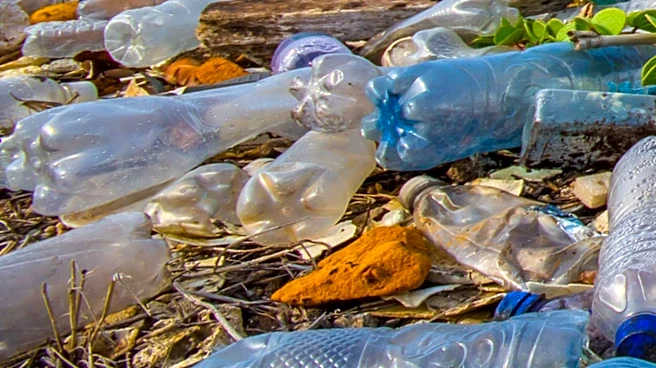
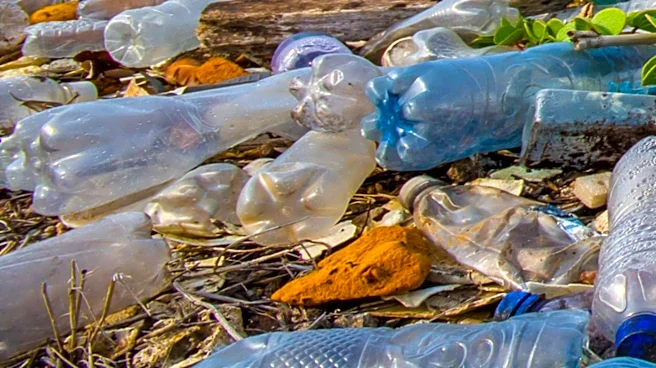
opportunities, and financing partners to effectively implement climate pledges. A key focus is the zero-waste agenda, which includes measurable waste-methane targets in national climate plans. The United Nations Environment Programme's International Resource Panel indicates that over 55% of global greenhouse gas emissions are linked to resource extraction and processing. Waste itself is a significant climate issue, with the U.N.'s Global Methane Assessment attributing approximately 20% of human-caused methane to landfills and wastewater. The Zero Waste Foundation, a non-governmental partner in COP31 preparations, is working to link the scientific basis for circularity with practical cooperation among public institutions, municipalities, researchers, businesses, and civil society, both within Türkiye and internationally, as reported by Daily Sabah.
Why It's Important?
The integration of zero-waste principles into climate diplomacy is vital because it addresses the often-underestimated emissions embedded in the materials economies consume. While discussions frequently center on renewable energy and fossil fuels, the material efficiency aspect is equally critical. Longer-lasting products, repair, reuse, and industrial cooperation that transforms by-products into useful inputs can significantly reduce the demand for new extraction and production, complementing the transition away from fossil fuels. Neglecting these aspects could make net-zero strategies overly reliant on clean electricity and carbon removal technologies. Economically, this coordination is crucial for establishing consistent quality standards for recovered materials, securing buyers, and harmonizing cross-border regulations. Public procurement and extended producer responsibility mechanisms can further integrate circularity with industrial policy, moving it beyond mere environmental administration, according to Daily Sabah.
What's Next?
The COP31 summit aims to translate climate commitments into tangible actions through contracts, operational projects, and institutional partnerships that extend beyond the event. The Zero Waste Foundation's expanding network will play a key role in fostering cooperation across administrative, scientific, and commercial boundaries. Activities include a science platform workshop at Istanbul Technical University (ITU) to examine the links between technology, policy, finance, and climate science, and a COP31 program reaching all 81 Turkish provinces. Private-sector consultations with U.N. Türkiye and U.N. Global Compact Türkiye will address resource recovery, business models, and investment barriers. At the summit venue, reusable pavilions, supplier take-back arrangements, and food-waste prevention measures will demonstrate sustainable practices, with independently verified material flows to ensure measurable performance. Satellite analysis by UCLA will identify significant methane emissions from waste sites in Türkiye to guide targeted improvements, as detailed by Daily Sabah.
Beyond the Headlines
The emphasis on the economics of zero waste at COP31 signifies a deeper understanding that climate action requires fundamental changes in economic habits, not just rhetoric. This approach highlights the need for a systemic shift towards a circular economy, where material value is retained, and waste is minimized. The challenge lies in overcoming financial hurdles and ensuring equitable distribution of benefits, particularly for poorer countries. The discussion also touches upon the ethical considerations of waste management, such as the impact on informal workers and the potential for wealthier nations to offload waste to less developed ones. Ultimately, the success of this initiative will depend on the ability to align diverse stakeholders—manufacturers, municipalities, financiers, and civil society—to create a cohesive and effective global strategy for waste reduction and resource efficiency, as reported by Daily Sabah.