


What's Happening?
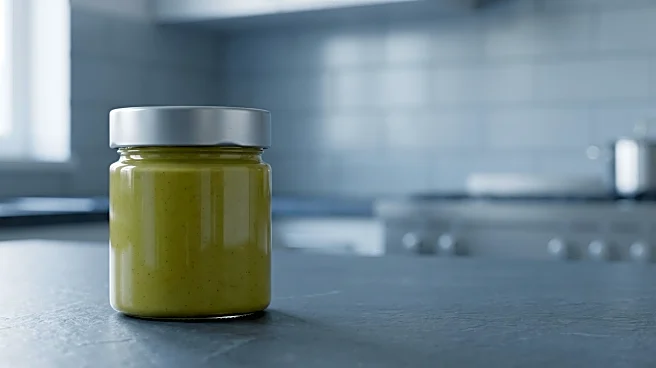
Walmart's Bettergoods Pistachio Nut Butter has been reclassified by the U.S. Food and Drug Administration (FDA) to a Class I recall, its highest risk level, due to potential salmonella contamination. This upgrade occurred on August 26, following an initial
voluntary recall on August 3. A Class I classification signifies that there is a reasonable probability that consuming the product could cause serious adverse health consequences or death. The contamination was first identified on July 17 during a routine inspection by the Florida Department of Agriculture and Consumer Services, which found salmonella in three jars of the nut butter. Botticelli Foods, the manufacturer, then voluntarily recalled 16,200 jars distributed exclusively to Walmart stores in 19 states. The affected product is sold in 6.7-ounce glass jars with UPC code 194346207961, lot code LB028ACP04, and an expiration date of January 28, 2027.
Why It's Important?
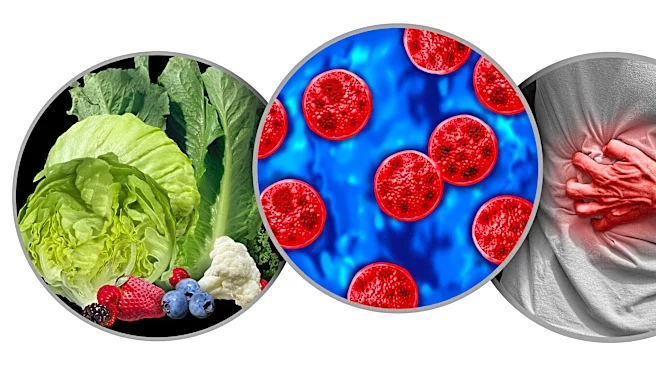
The FDA's Class I designation for the Bettergoods Pistachio Nut Butter underscores the severe health threat posed by salmonella, which can lead to serious illness, and in rare cases, arterial infections, endocarditis, or arthritis. This incident highlights the critical importance of robust quality control and inspection processes throughout the food supply chain, from manufacturing to retail. The detection of salmonella during a routine state inspection demonstrates the vital role of state-level food safety surveillance in protecting public health. For Walmart, a major retailer, this recall impacts consumer trust and emphasizes the need for rigorous vetting of exclusive brand products and their manufacturers. For consumers, it serves as a serious warning about the potential dangers of contaminated food and the necessity of heeding recall notices to prevent severe health outcomes.
What's Next?
Consumers who have purchased the recalled Bettergoods Pistachio Nut Butter are urged to return it to Walmart immediately for a full refund and should not consume it. The FDA will continue to monitor the recall process and ensure that the product is effectively removed from the market. Public health officials will also remain vigilant for any reported illnesses linked to the contaminated nut butter. This incident may prompt Walmart and its suppliers to review and strengthen their food safety protocols, particularly for private-label products and those sourced internationally. The broader food industry may also face increased scrutiny regarding their internal testing and quality assurance measures to prevent similar contamination events.
Beyond the Headlines
This recall of a private-label product sold exclusively at a major retailer like Walmart brings to light the complexities of brand responsibility and supply chain management. When a product under a retailer's own brand is implicated in a Class I recall, it can have significant implications for the retailer's reputation and consumer loyalty. The fact that the contamination was initially detected by a state agency underscores the distributed nature of food safety oversight in the U.S., where federal and state entities play complementary roles. This event also highlights the potential for imported food products (manufactured in Italy and imported by Botticelli) to introduce food safety risks into the domestic market, emphasizing the need for robust international food safety standards and import controls. The incident serves as a powerful reminder that even seemingly innocuous food items can pose serious health threats if not properly managed throughout their production and distribution.