








What's Happening?
A recent federal court ruling in the case of Kwong v. United States has opened the door for some Americans to receive refunds on IRS penalties and interest paid during the COVID-19 emergency. The ruling found that the extensions of tax deadlines during the pandemic
may have delayed the IRS's ability to charge certain late-filing penalties and interest. Taxpayers who paid these penalties during the affected period may be eligible for refunds. To qualify, individuals must file a claim by July 10 and meet specific eligibility criteria, such as having filed a return during the COVID-19 relief period and incurred penalties or interest.
Why It's Important?
This development could provide financial relief to millions of taxpayers who were penalized during the pandemic. The potential refunds represent a significant financial opportunity for eligible individuals, particularly those who faced economic hardships during the COVID-19 crisis. The ruling also highlights the importance of understanding tax regulations and deadlines, as well as the potential for legal recourse in cases of disputed penalties. The IRS's response to this ruling may set a precedent for how similar cases are handled in the future, impacting both taxpayers and the agency's operations.
What's Next?
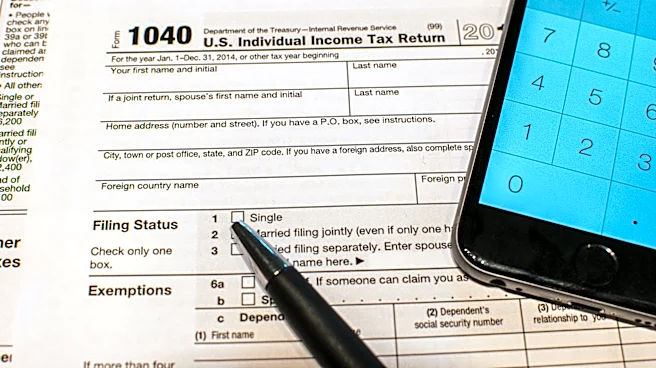
Taxpayers who believe they are eligible for a refund must act quickly to file their claims by the July 10 deadline. The IRS has introduced an online option for filing Form 843, which can expedite the process for those with an online account. For those preferring traditional methods, paper submissions are also accepted. If a claim is denied, taxpayers have the option to protest or file a refund suit. The outcome of these claims could influence future IRS policies and taxpayer rights regarding penalty disputes.