









What's Happening?
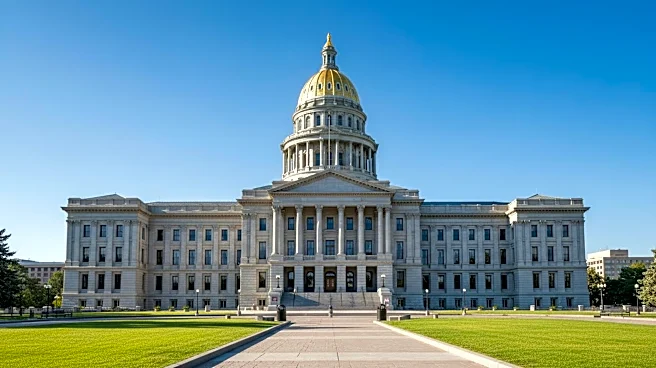
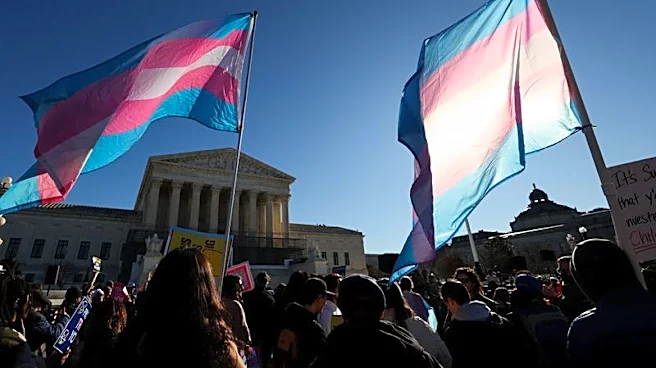
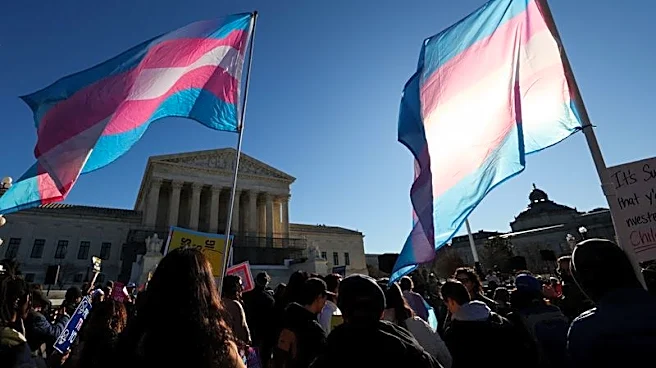
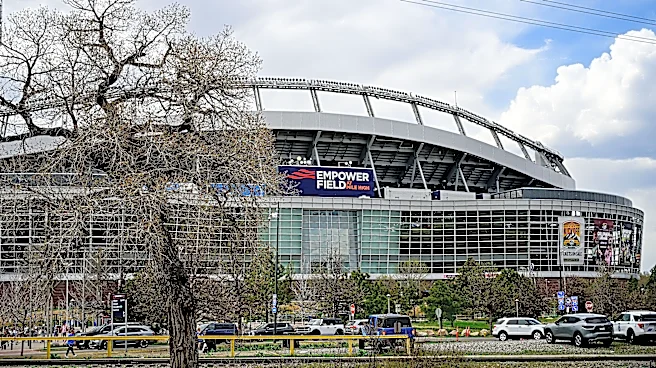
A Colorado law currently protects transgender athletes, allowing them to compete on sports teams that align with their gender identity. This legislation is under scrutiny as voters may have the opportunity to challenge it in the future. The U.S. Supreme
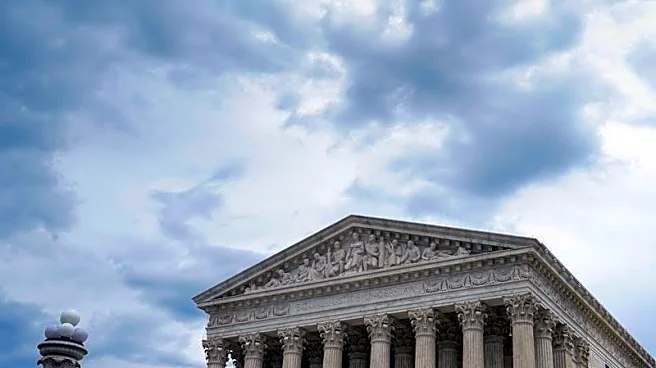
Court has ruled that states have the authority to prohibit transgender athletes from participating in girls' and women's sports teams without breaching federal law or the Constitution. This ruling has sparked debates across the country, including in Colorado, where the existing law supports the inclusion of transgender athletes in sports. The potential for a voter-driven initiative to overturn this law highlights the ongoing national conversation about transgender rights and sports participation.
Why It's Important?
The issue of transgender athletes in sports is a significant topic in the U.S., reflecting broader societal debates about gender identity and equality. The Colorado law represents a progressive stance on inclusion, but the possibility of a voter challenge underscores the contentious nature of this issue. If voters decide to overturn the law, it could set a precedent for other states considering similar legislation. This situation also highlights the tension between state and federal authority in regulating sports and civil rights, with potential implications for the rights of transgender individuals across the country. The outcome of this debate could influence public policy and societal attitudes towards transgender rights.
What's Next?
If a voter initiative is launched, it could lead to a statewide referendum on the issue, allowing Colorado residents to decide the future of the law. This process would involve campaigning from both supporters and opponents of the current legislation, potentially drawing national attention. The outcome could impact not only Colorado but also other states considering similar measures. Stakeholders, including advocacy groups, sports organizations, and political leaders, are likely to engage in discussions and actions to influence public opinion and the eventual decision. The situation remains dynamic, with potential legal and political developments on the horizon.