





What's Happening?
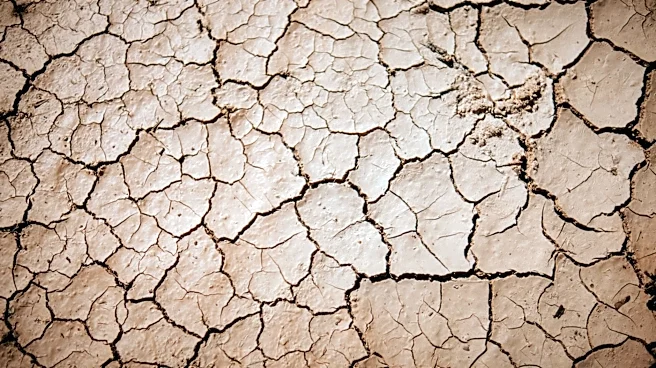
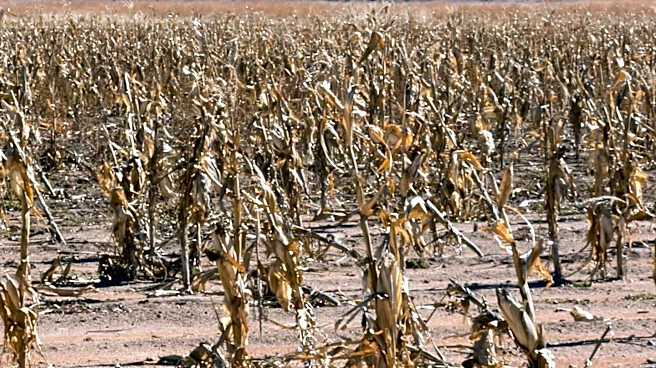
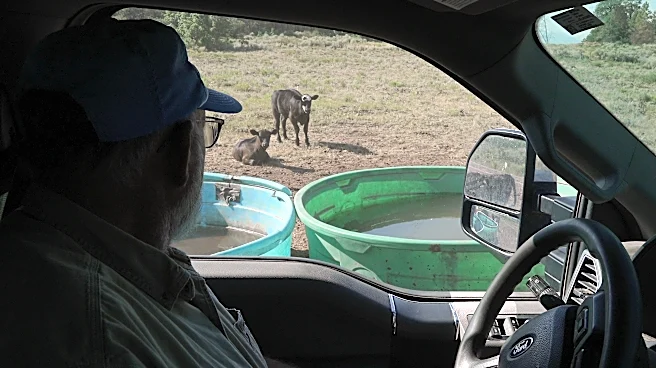
Farmers in Campbell County, Virginia, are facing difficult decisions regarding irrigation as water supplies remain low despite recent rainfall. Aaron Puckette of Puckette Farms reports that irrigation ponds are at their lowest levels in 40 years, forcing
farmers to prioritize which crops to water. The drought, persisting since last summer, has led to reduced planting and increased reliance on conservation techniques. Scott Baker from the Virginia Cooperative Extension advises farmers to water during cooler times to minimize evaporation. The situation highlights the ongoing challenges of managing water resources in agriculture.
Why It's Important?
The irrigation challenges faced by Virginia farmers underscore the broader issue of water resource management in agriculture, particularly in the face of climate variability. Limited water supplies can significantly impact crop yields and farm profitability, affecting local economies and food supply chains. The situation calls for innovative water conservation strategies and potential policy interventions to support farmers. Addressing these challenges is crucial for ensuring the sustainability of agricultural practices and the resilience of rural communities.
What's Next?
Farmers will continue to adapt their irrigation practices to cope with water shortages, potentially exploring alternative water sources or technologies. State and local agencies may need to provide additional support or resources to assist farmers in managing water use effectively. The ongoing drought conditions could prompt discussions on long-term water management strategies and investments in infrastructure to enhance water availability. Stakeholders, including agricultural organizations and policymakers, will play a key role in developing solutions to address these challenges.