





What's Happening?
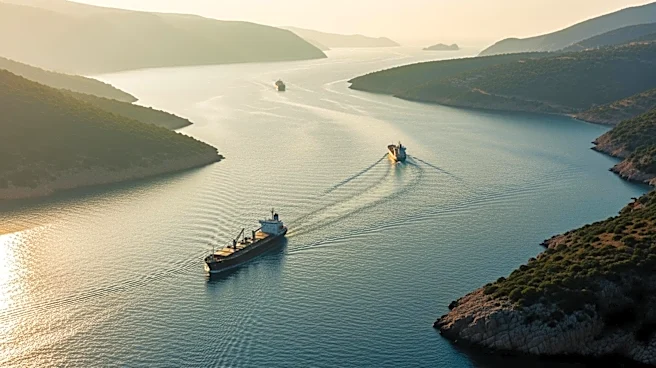
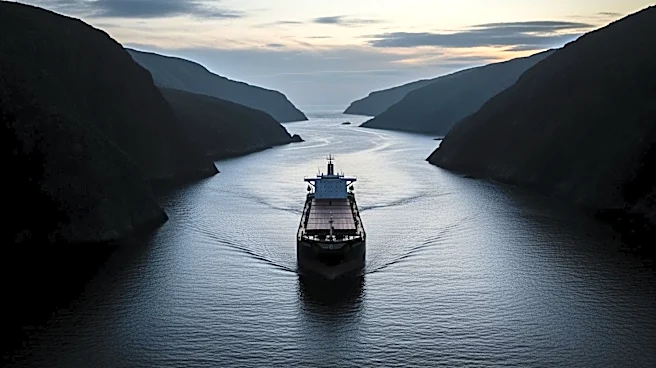
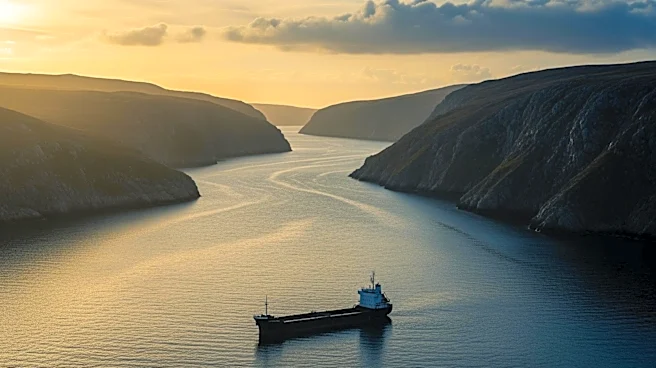
President Donald Trump has declared that the United States will initiate a full naval blockade of the Strait of Hormuz, a critical maritime passage for global energy supplies. This decision follows the collapse of peace talks between the US and Iran,
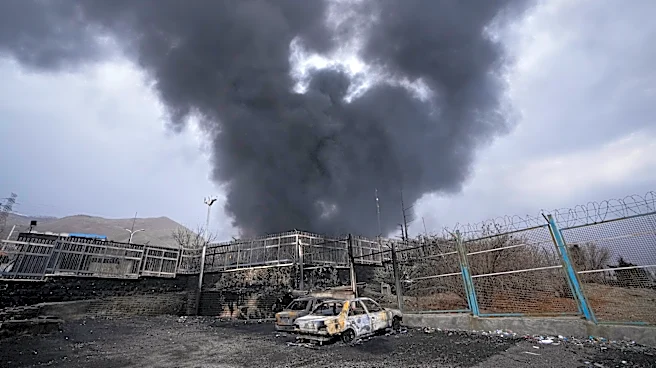
which took place in Pakistan. The discussions aimed to transform a fragile ceasefire into a permanent resolution to the ongoing conflict, which has resulted in significant loss of life. However, the negotiations fell apart due to unresolved issues concerning Iran's nuclear program. The blockade is expected to further escalate tensions in the region, as President Trump has also warned of potential retaliation should Iran resist the blockade.
Why It's Important?
The Strait of Hormuz is a vital chokepoint for the global oil supply, with a significant portion of the world's petroleum passing through it. The blockade could severely disrupt international energy markets, leading to increased oil prices and economic instability. This move by President Trump signals a significant escalation in US-Iran relations, potentially impacting diplomatic efforts and regional stability. The failure of the peace talks underscores the complexities of the nuclear issue and the challenges in achieving a lasting peace agreement. The blockade could also strain US relations with other countries reliant on oil from the region, affecting international alliances and economic partnerships.
What's Next?
The international community is likely to respond to the blockade with calls for diplomatic resolution and de-escalation. Countries dependent on oil from the region may seek alternative sources or engage in diplomatic efforts to mediate the situation. The US may face pressure from allies and international organizations to reconsider the blockade and pursue renewed negotiations with Iran. The potential for military confrontation remains high, and any Iranian resistance could lead to further escalation. Monitoring the situation closely, stakeholders will likely prepare for potential disruptions in energy supply and market volatility.