





What's Happening?
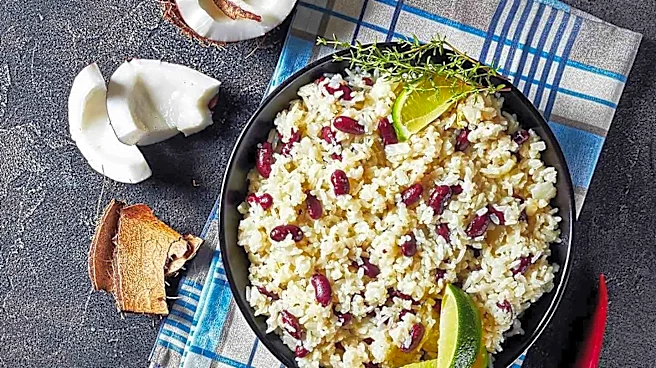
Traditional Caribbean diets are characterized by fiber-rich, plant-based foods such as cassava, yam, sweet potato, plantain, and legumes. Locally sourced seafood provides lean protein, polyunsaturated fatty acids, and vitamins A and D. A cross-sectional
study in Puerto Rico involving 989 adults found that a neo-traditional dietary pattern, rich in local plants and seafood, was associated with a lower prevalence of metabolic syndrome and reduced waist circumference. This pattern included higher intakes of fruits, vegetables, herbs, legumes, tropical roots, and leafy greens. However, the observational and cross-sectional nature of the study means it cannot establish a causal link between the diet and these health outcomes. The traditional Caribbean diet reflects a long-standing relationship between local agriculture, fishing, home food production, and culinary traditions, with fresh herbs and spices commonly used in home-prepared dishes.
Why It's Important?
The emphasis on traditional, plant-rich diets and local seafood in the Caribbean highlights a sustainable and potentially healthier dietary model. This approach contrasts with the 'nutrition transition' observed over recent decades, where globalization, trade liberalization, urbanization, and increased reliance on imported foods have led to a shift towards processed and ready-made products. This transition has been linked to poorer dietary quality and an increased risk of chronic diseases like hypertension, obesity, and diabetes in the Caribbean region. Promoting traditional food systems could offer a pathway to improved public health, reducing the burden of diet-related illnesses and strengthening community resilience. The findings from Puerto Rico suggest that a return to or preservation of these traditional eating patterns could have significant cardiometabolic benefits for the population.
What's Next?
Addressing the rising incidence of diet-related diseases in the Caribbean will require renewed attention to traditional food systems and dietary practices. Public health interventions are likely to focus on education, community engagement, and improving access to nutritious local foods. Efforts to preserve traditional food knowledge, encourage home gardening, and support local food consumption could help mitigate the negative effects of the nutrition transition. Caribbean governments and regional organizations have acknowledged the need to reduce dependence on imported food and enhance domestic food availability, with CARICOM setting a target to reduce the food import bill by 25% by 2025. Future nutritional policies will need to integrate health, agriculture, trade, and environmental objectives, while also considering food security, poverty, and the livelihoods of small-scale producers.
Beyond the Headlines
The shift away from traditional Caribbean diets towards imported, processed foods underscores broader issues of food sovereignty and cultural erosion. The increasing reliance on global food systems can undermine local agricultural practices, traditional knowledge, and community self-sufficiency. The health implications, such as the rise in noncommunicable diseases, are not merely dietary but also reflect socio-economic changes and the impact of globalization on local cultures. Re-emphasizing traditional diets is not just about health; it's about reclaiming cultural identity, supporting local economies, and fostering environmental sustainability. The challenge lies in balancing modern conveniences with the preservation of valuable dietary heritage, ensuring that future generations can benefit from the health and cultural richness of traditional Caribbean foodways.