



What's Happening?
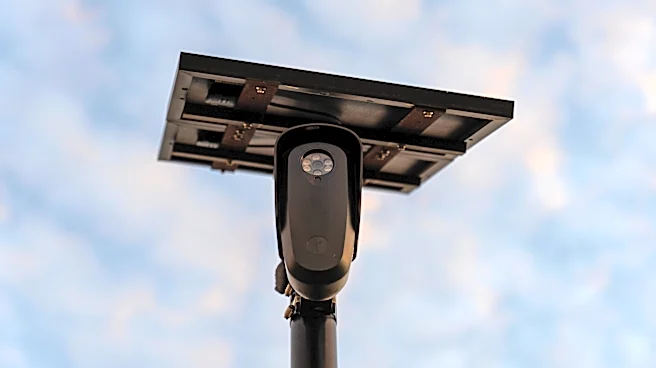
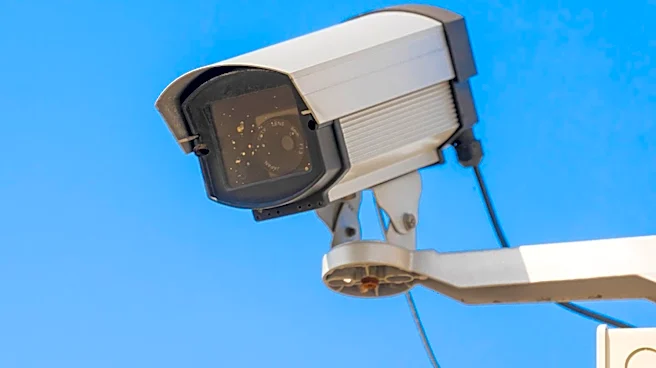
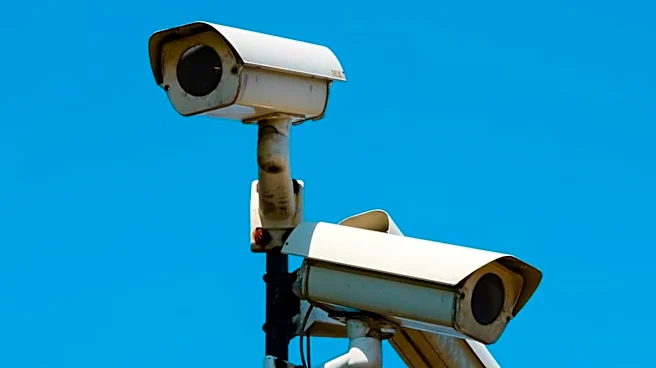
Florida Governor Ron DeSantis has announced a ban on Flock camera license plate readers on Florida state highways. The Florida Department of Transportation (FDOT) has formally revoked Flock's permits for these devices operating on state right-of-ways,
meaning they will be removed, and no new permits will be issued. This decision is not a blanket ban on all Flock hardware in the state, but specifically targets license plate readers previously installed on state-owned roads. Governor DeSantis expressed concerns about potential abuse and overreach in data collection, stating, 'These cameras that are out there now — who's to say they're only doing the license plate? I think it's capturing people in their cars. I think it's capturing way more information than they're letting on. And you've seen the abuse.' Will Watts, the chief operating officer of the FDOT, cited 'concerning reports of misuse, data privacy concerns, and surveillance schemes' as reasons for the decision, emphasizing the need to preserve Floridians' quality of life and right to privacy. This move follows a trend of state and local governments across the U.S. canceling Flock contracts due to similar concerns, including confirmed cases of misuse, such as a Kentucky police officer using the system to stalk an ex-girlfriend.
Why It's Important?
This ban by Governor DeSantis highlights a growing national debate regarding privacy rights versus public safety in the age of advanced surveillance technology. The decision in Florida could set a precedent for other states considering similar measures, potentially influencing the broader adoption and regulation of license plate reader technology across the U.S. For technology companies like Flock, this represents a significant setback, as a major state like Florida is restricting their operations, which could impact their business model and market penetration. Conversely, civil liberties advocates and privacy-conscious citizens stand to gain, as the ban addresses concerns about mass surveillance and potential data misuse. The move also underscores the increasing scrutiny on how law enforcement and government agencies utilize data collection tools, prompting a reevaluation of existing policies and the need for clearer legislative guardrails. The economic impact could extend to other states and municipalities that rely on or are considering such technologies, potentially leading to a patchwork of regulations that complicate nationwide implementation.
What's Next?
Following Florida's ban, Flock has issued a public statement advocating for legislation and guardrails instead of blanket prohibitions, while emphasizing the public safety benefits of its technology. This suggests a potential push by the company and its supporters for more nuanced regulatory frameworks that allow for the use of such devices under strict guidelines, rather than outright bans. Other states and local governments will likely observe the impact of Florida's decision, potentially leading to similar actions or, conversely, a more robust defense of license plate reader technology with enhanced privacy safeguards. The debate is expected to continue, with civil liberties groups likely to press for further restrictions and technology providers seeking to demonstrate the responsible use of their products. Future legislative sessions in various states may see bills introduced to either expand or limit the use of surveillance technologies, reflecting the ongoing tension between security needs and individual privacy rights.
Beyond the Headlines
The Florida ban on Flock license plate readers delves into the deeper societal implications of pervasive surveillance and the erosion of privacy in public spaces. Beyond the immediate concerns of data misuse, this development touches upon the fundamental right to anonymity and freedom from constant monitoring, which are cornerstones of democratic societies. The ethical dimension questions the balance between collective security and individual liberties, particularly when technology allows for widespread, indiscriminate data collection. Culturally, it reflects a growing public apprehension towards 'big brother' scenarios and a demand for greater transparency and accountability from both government and private entities regarding data handling. In the long term, this could trigger a broader re-evaluation of how technology is integrated into public life, potentially leading to new legal precedents and societal norms around digital privacy. It also highlights the challenge of adapting existing legal frameworks to rapidly evolving technological capabilities, necessitating a continuous dialogue on the appropriate boundaries of surveillance in a free society.