



What's Happening?
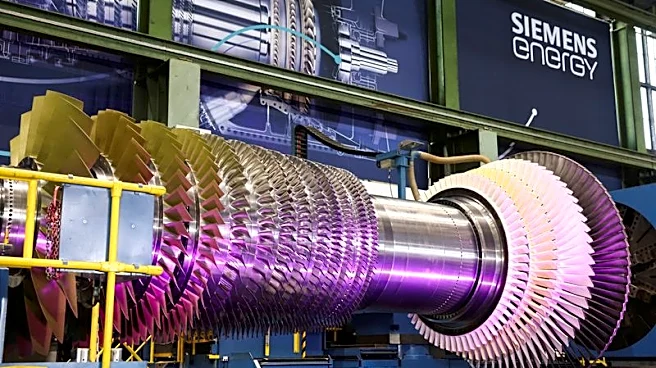
Kosovo is entering its peak energy demand months without the 260 MW B1 unit at Kosovo B, which remains offline due to incomplete turbine modernization and environmental works. The operator has not provided a firm return date for the unit, and an energy expert
anticipates it will remain unavailable throughout the winter. This outage removes one of the system's largest power blocks just as consumption is set to rise significantly. While Kosovo A has completed its planned overhauls and experienced a period of stronger simultaneous unit operation, its fleet is aging, and technical faults and temporary interruptions are acknowledged as possibilities. The unavailability of the B1 unit necessitates a higher reliance on energy imports, exposing Kosovo to regional spot prices, which have been observed around €250/MWh in Hungary. Over the past five years, Kosovo has imported more than €1.03 billion worth of electricity.
Why It's Important?
This energy crisis in Kosovo has significant implications for regional stability and economic well-being, which are of interest to the U.S. as a key international actor promoting peace and development in the Balkans. The increased reliance on imports at high prices will strain Kosovo's economy, potentially leading to higher electricity bills for consumers and businesses, thereby impacting affordability and industrial competitiveness. This situation could exacerbate existing economic vulnerabilities and potentially lead to social unrest if energy costs become prohibitive. For the U.S., a stable and economically viable Kosovo is crucial for maintaining regional security and advancing its foreign policy objectives in the Western Balkans. The crisis also highlights the broader challenge of energy security in developing nations, particularly those with aging infrastructure and limited domestic generation capacity.
What's Next?
Key variables for Kosovo's winter energy outlook include the timing of the B1 unit's return, regional day-ahead electricity prices, the availability of cross-border transmission capacity, and the potential for unplanned outages at Kosovo A. Policy support is being directed towards demand-side management, with the government allocating €1 million to the Kosovo Energy Efficiency Fund and the EBRD providing up to €21 million for green, digital, and inclusive finance initiatives. While these programs will not immediately replace the B1 unit's output this winter, they are crucial for reducing future import exposure by lowering peak demand and improving building efficiency. The U.S. and other international partners will likely continue to monitor the situation and may offer further assistance to help Kosovo navigate this energy challenge and strengthen its long-term energy independence.
Beyond the Headlines
The B1 unit outage in Kosovo underscores the critical need for robust and diversified energy infrastructure, particularly in regions with geopolitical sensitivities. Beyond the immediate economic impact, this crisis highlights the environmental and social dimensions of energy policy. The aging thermal assets mentioned in the report point to the challenges of transitioning away from fossil fuels while ensuring energy security. The reliance on imports also exposes Kosovo to the volatility of international energy markets, making it vulnerable to external shocks. This situation could prompt a re-evaluation of Kosovo's energy strategy, emphasizing investments in renewable energy sources and energy efficiency measures to build a more resilient and sustainable energy system. The U.S. has a vested interest in supporting such transitions to promote long-term stability and reduce reliance on less sustainable energy sources in the region.