



What's Happening?
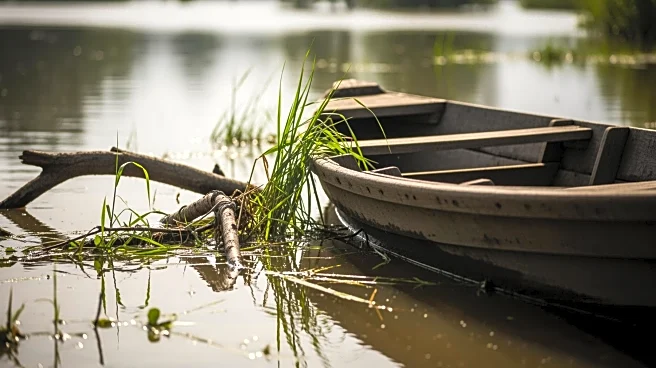
Severe flooding in Mozambique has led to crocodiles entering submerged towns, resulting in at least three deaths. The town of Xai-Xai, in Gaza province, is one of the worst-affected areas, with authorities warning residents of increased crocodile risks
as floodwaters spread. The flooding, caused by torrential rains and exacerbated by dam releases, has killed over 100 people across Mozambique, South Africa, and Zimbabwe. The floods have destroyed homes and infrastructure, including roads and health facilities, and have displaced thousands of people. The World Health Organization has reported severe disruptions to health services, with many people lacking access to essential care.
Why It's Important?
The flooding in Mozambique highlights the vulnerability of communities to extreme weather events and the compounded risks posed by wildlife displacement. The presence of crocodiles in populated areas adds a dangerous dimension to the humanitarian crisis, complicating evacuation and relief efforts. The destruction of infrastructure and health facilities exacerbates the challenges faced by affected populations, increasing the risk of disease outbreaks and long-term health impacts. The situation underscores the need for comprehensive disaster preparedness and response strategies that address both environmental and public health threats.
What's Next?
Humanitarian agencies are likely to intensify efforts to provide relief and support to affected communities, focusing on restoring health services and ensuring access to safe shelter. The government and international partners may need to implement measures to manage wildlife risks and prevent further crocodile attacks. Long-term recovery will require rebuilding infrastructure and addressing the root causes of vulnerability to flooding. The international community's response will be crucial in providing the necessary resources and expertise to support Mozambique's recovery and resilience-building efforts.