







What's Happening?
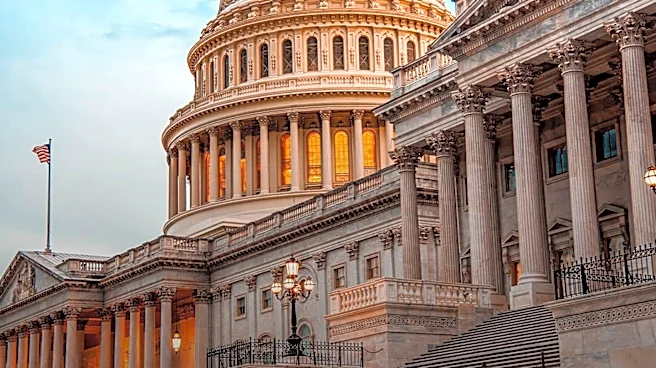
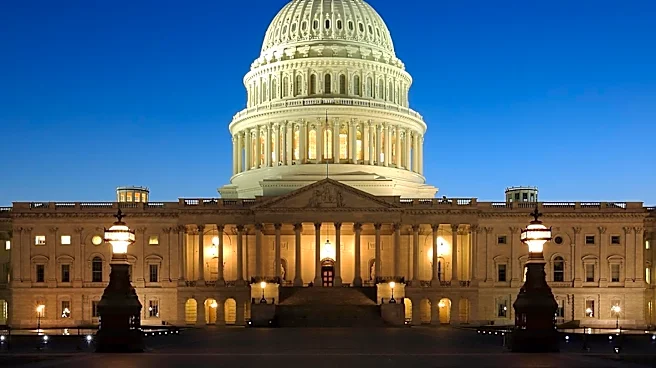
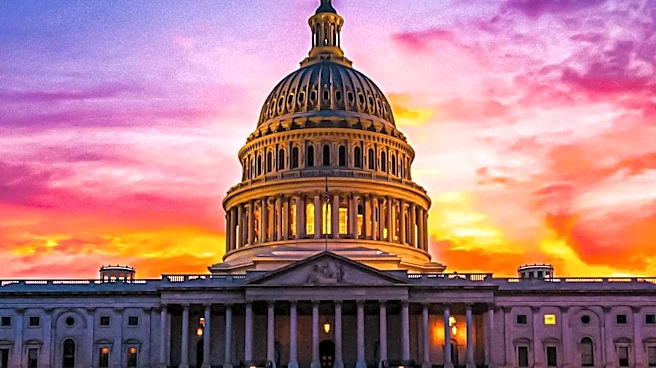
Nearly 100 members of the U.S. Congress are sponsoring legislation aimed at removing marijuana from the federal Controlled Substances Act. This includes 75 House lawmakers supporting the Marijuana Opportunity Reinvestment and Expungement (MORE) Act and 17
senators backing the Cannabis Administration and Opportunity Act (CAOA). Both proposals aim to deschedule marijuana, allowing states to regulate its possession, production, and sale independently. The bills also propose expunging certain federal marijuana convictions and addressing issues like taxation and federal benefits. Additionally, the STATES 2.0 Act, supported by a bipartisan group, seeks to reduce federal-state law conflicts without fully descheduling cannabis.
Why It's Important?
The push to deschedule cannabis reflects a significant shift in U.S. drug policy, potentially impacting federal and state legal frameworks. If successful, these legislative efforts could harmonize conflicting laws, benefiting states with legal cannabis industries by providing clearer regulatory guidance and reducing legal risks. The proposed changes could also stimulate economic growth by opening new markets and creating jobs, while addressing social justice issues by expunging past convictions. However, the legislation faces challenges, including political opposition and the need for comprehensive regulatory frameworks to manage the transition.
What's Next?
The legislative proposals will undergo further debate and scrutiny in Congress. Key stakeholders, including state governments, cannabis businesses, and advocacy groups, are likely to engage in lobbying efforts to influence the outcome. The bills' progress will be closely watched, as their passage could set a precedent for future drug policy reforms. Additionally, the impact on federal agencies responsible for drug enforcement and regulation will need to be assessed, potentially leading to shifts in resource allocation and enforcement priorities.