


What's Happening?
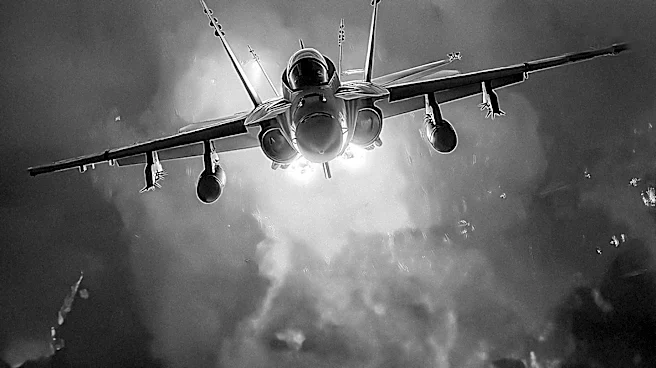
In a significant military operation, U.S. special forces captured Venezuelan President Nicolás Maduro in January 2026, leading to a major shift in the country's political landscape. The Trump administration installed Delcy Rodríguez as the interim leader,
managing Venezuela's oil revenues directly from Washington. This move was initially met with skepticism from critics who feared a repeat of past U.S. military interventions in the Middle East. However, six months later, Venezuela has not descended into chaos, and the U.S. has transformed a hostile regime into a cooperative partner. The operation has been described as a tactical success for President Trump, with the U.S. regaining influence over Venezuela's vast oil reserves and stabilizing the country's political situation.
Why It's Important?
The U.S. intervention in Venezuela marks a significant geopolitical shift in the Western Hemisphere, showcasing the Trump administration's ability to exert influence and stabilize a region previously seen as hostile. By securing control over Venezuela's oil resources, the U.S. has strengthened its energy security and economic interests. The operation also sends a strong message to other adversarial regimes about the U.S.'s willingness to take decisive action. However, the long-term success of this strategy depends on the establishment of a genuine democratic transition in Venezuela, which remains uncertain. The situation highlights the complexities of U.S. foreign policy and its impact on international relations and economic stability.
What's Next?
The future of Venezuela's political landscape remains uncertain, with the potential for democratic elections and further stabilization hinging on the cooperation of the interim government and the U.S. The trial of Nicolás Maduro, set to begin in June 2027, could further influence the country's direction. The U.S. will likely continue to play a significant role in shaping Venezuela's future, balancing its strategic interests with the need for a sustainable democratic transition. The international community will be watching closely to see if the U.S. can maintain stability and foster genuine democratic reforms in Venezuela.
Beyond the Headlines
The U.S. intervention in Venezuela raises important questions about the ethical implications of foreign military involvement and the balance between strategic interests and democratic values. The operation has been criticized for potentially undermining Venezuela's sovereignty and setting a precedent for future interventions. Additionally, the economic benefits for U.S. corporations and the potential for increased influence in the region highlight the complex interplay between economic and political motivations in foreign policy. The situation underscores the need for careful consideration of the long-term consequences of military interventions and the importance of supporting genuine democratic processes.