




What's Happening?
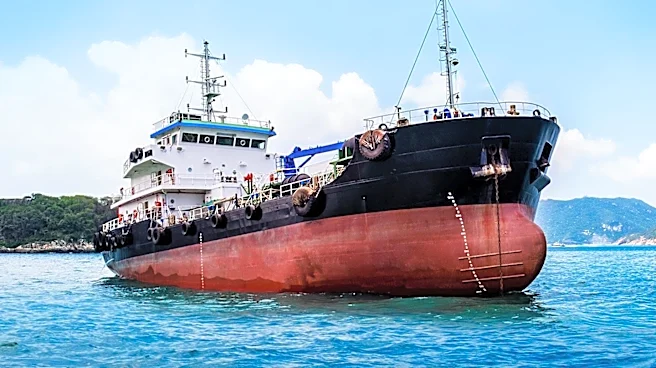
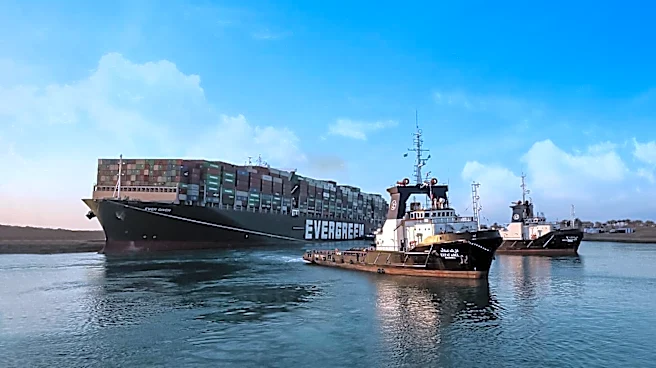
Two tankers near Larak Island off the coast of Iran are leaking oil into the waterway, as reported by maritime data consultancy WindWard. One of the leaks is from the Greek-owned tanker Kavomaleas, which was attacked by the IRGC and towed into Iranian
waters. The other leak is from an unidentified AIS-dark tanker. These spills are among the first significant oil releases linked to the ongoing conflict in the Strait of Hormuz, where Iran and the U.S. have engaged in multiple attacks. Despite the risks, vessel traffic continues at a low rate through the strait, with several ships moving without AIS signals.
Why It's Important?
The oil spills in the Strait of Hormuz highlight the environmental and economic risks associated with the ongoing conflict between Iran and the U.S. The strait is a critical chokepoint for global oil shipments, and disruptions can have significant implications for global energy markets. The potential for further military escalation could exacerbate these risks, affecting oil prices and supply chains. The situation underscores the need for diplomatic efforts to de-escalate tensions and ensure the security of maritime routes vital to international trade.
What's Next?
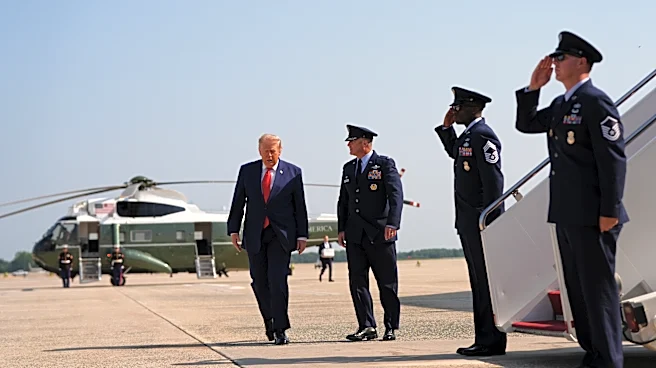
The U.S. Air Force has resumed large-scale transport operations between Europe and the Middle East, indicating preparations for potential military escalation. President Trump has suggested the possibility of a significant military response, which could further impact the region's stability and global oil markets. The international community will likely monitor the situation closely, with potential diplomatic interventions aimed at preventing further conflict and ensuring the safety of maritime navigation.