

What's Happening?
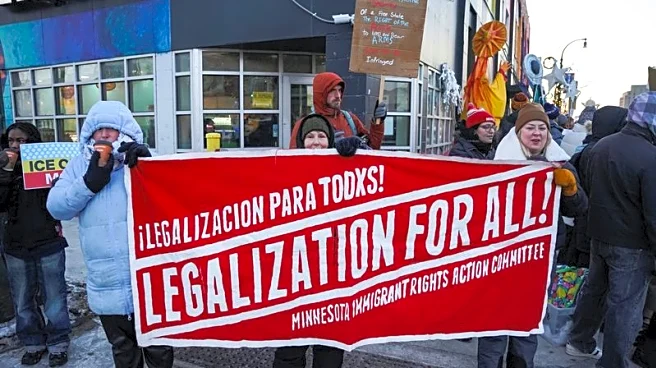
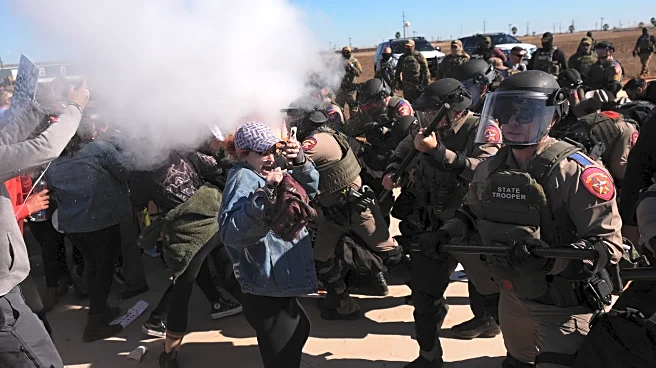
Target is facing protests and calls for boycotts due to its perceived stance on federal immigration tactics and its response to recent turmoil in Minneapolis. The protests are part of a broader national action against U.S. Immigration and Customs Enforcement
(ICE) and related federal immigration enforcement tactics. Demonstrators, including the group Free DC, are demanding that Target publicly call for an independent investigation into the killings of Renee Macklin Good and Alex Pretti in Minneapolis. They also want the retailer to affirm solidarity with immigrants and oppose ICE's operations. Target's incoming CEO, Michael Fiddelke, has signed a letter with other business leaders calling for de-escalation of tensions between local, state, and federal officials. Despite these efforts, protesters continue to demand more action from Target.
Why It's Important?
The protests against Target highlight the ongoing national debate over immigration enforcement and corporate responsibility. As a major retailer headquartered in Minneapolis, Target's actions and policies are under scrutiny from both activists and the public. The company's response to these demands could influence its public image and consumer relations, especially among communities affected by immigration policies. The situation also underscores the broader societal tensions surrounding immigration enforcement in the U.S., with businesses being pressured to take a stand on political and social issues. The outcome of these protests could set a precedent for how corporations engage with social justice movements and respond to public demands for accountability.
What's Next?
Target may face continued pressure from activists and the public to take a more definitive stance on immigration enforcement and related issues. The company could consider engaging in dialogue with protest groups to address their concerns and potentially mitigate the impact of the boycotts. Additionally, the broader movement against ICE and federal immigration tactics is likely to persist, with potential implications for other businesses perceived to be cooperating with immigration enforcement agencies. The situation may also lead to further legal challenges and public demonstrations as activists seek to hold corporations accountable for their roles in social and political issues.