


What's Happening?
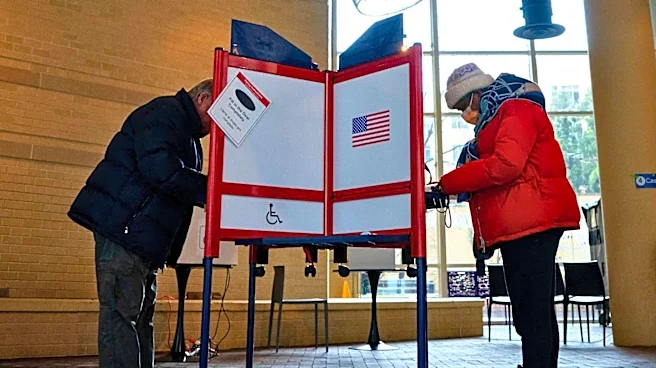
South Portland residents are scheduled to vote in November on a referendum to approve an $88.6 million bond for the construction of new police and fire stations. If approved, the bond would allocate up to $44.35 million for a new police station on the vacant
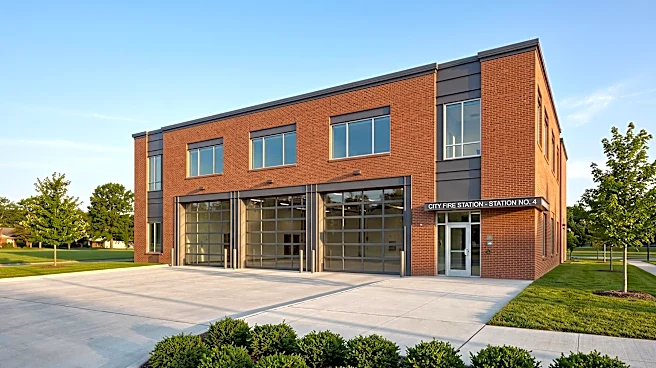
Walgreens parcel at Cash Corner, acquired by the city this year. An additional $44.25 million would be designated for a new central fire station, to be built on the site of the current central police and fire station. The city plans to issue the bonds in two phases, with the police station construction preceding the fire station. Both the existing police station, built in 1967, and the fire station, built in 1955, are aging and in disrepair, failing to meet current codes and suffering from significant mechanical, electrical, and plumbing issues. HVAC systems are past their lifespan, and critical areas like the evidence room and emergency operation center in the basement frequently flood. Police Chief Dan Ahern and Fire Chief Phil Selberg have both stated that the current facilities are inadequate for modern public safety needs.
Why It's Important?
This referendum is crucial for the public safety infrastructure of South Portland and reflects a common challenge faced by many U.S. municipalities with aging public facilities. The proposed $88.6 million bond represents a significant investment in essential services, directly impacting the operational capabilities of the police and fire departments. Modern facilities are vital for effective emergency response, officer and firefighter safety, and the integration of new technologies, such as body camera data systems. The current state of disrepair, including flooding and outdated systems, compromises the efficiency and safety of public safety personnel, potentially affecting response times and the quality of services provided to residents. The financial implications for taxpayers are substantial; a median-priced single-family home valued at $514,000 could see an additional $255 in property taxes for fiscal year 2028, with a total estimated increase of about $500 by fiscal year 2030. This highlights the delicate balance between funding critical public services and managing the tax burden on residents, a decision that will have long-term economic and social consequences for the community.
What's Next?
South Portland residents will cast their votes on the $88.6 million bond in November. Leading up to the vote, the city is hosting a series of educational events to inform the public about the referendum. These events include guided tours of the existing police and fire stations, offering residents an opportunity to observe the infrastructure needs firsthand and engage with staff members. Additionally, coffee chats and informational sessions with the public safety buildings project team and architects are scheduled to answer residents' questions. If the bond is approved, the city will proceed with issuing the bonds in two phases, beginning with the construction of the new police station, followed by the fire station. If the bond is rejected, the city will need to explore alternative solutions for its aging public safety facilities, which could include seeking other funding sources, re-evaluating the scope of the projects, or continuing to manage the deteriorating conditions of the current buildings. The outcome will significantly shape the future of public safety services and municipal infrastructure in South Portland.
Beyond the Headlines
The South Portland public safety referendum touches upon broader themes of civic responsibility, community investment, and the long-term planning challenges faced by local governments across the U.S. The decision to invest in new infrastructure reflects a community's commitment to the well-being and safety of its residents, but it also necessitates a careful consideration of fiscal sustainability and equitable tax burdens. The aging infrastructure in South Portland is not an isolated issue; many American cities grapple with outdated public buildings that no longer meet contemporary standards or demands. This referendum serves as a microcosm of the national debate on infrastructure spending, highlighting the need for proactive maintenance and modernization versus reactive repairs. Ethically, the city's efforts to educate the public through tours and informational sessions underscore the importance of transparency and citizen engagement in major municipal decisions. The outcome will not only determine the future of South Portland's police and fire departments but also set a precedent for how the community prioritizes and funds essential public services in the face of rising costs and evolving needs.