



What's Happening?
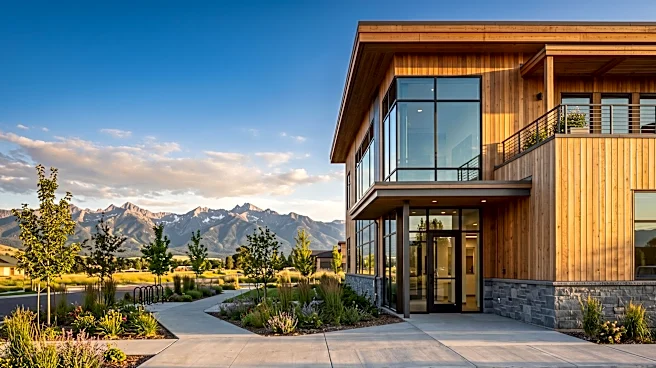
The Greater Gallatin United Way (GGUW) is undertaking a "transformational" project to acquire and renovate a 7,100-square-foot building in Bozeman, Montana, to create a resource hub and office space for local nonprofits. The building, currently owned
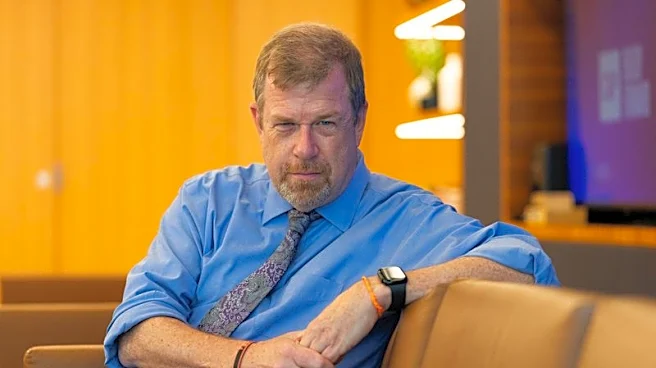
by Bozeman Health and used as a medical lab with significant unused space for the past four years, is located at 120 North 19th Avenue. GGUW plans to offer stable, below-market leases for several offices and flexible space for up to 50 nonprofits for occasional use, such as board meetings and interviews. This initiative aims to reduce overhead costs for nonprofits and foster collaboration among them. Kim Hall, CEO of GGUW, stated that the project responds to community needs and promotes collaboration, as no organization can solve challenges alone. Bozeman Mayor Joey Morrison expressed support, noting the long-standing need for such a facility among local nonprofits. The project is estimated to cost $4 million, covering acquisition, renovation, technology, and furnishings. GGUW intends to raise $1.5 million by January and the remaining $2.1 million in the subsequent six months, with occupancy planned by June 2027.
Why It's Important?
This project holds significant importance for the nonprofit sector in the Gallatin Valley, Montana, and serves as a model for other communities facing similar challenges. By providing affordable office and meeting spaces, GGUW directly addresses a critical barrier for many smaller nonprofits: high operational costs. This initiative will allow these organizations to reallocate funds from rent to their core missions, thereby increasing their direct impact on the community. The hub is designed to foster collaboration and resource sharing, which can lead to more efficient service delivery and innovative solutions to local issues, including basic needs, early learning, youth success, and mental health. The support from Bozeman Health and local government officials like Mayor Morrison highlights a community-wide recognition of the value of a robust nonprofit infrastructure. This model could inspire similar collaborative efforts in other U.S. cities, demonstrating how strategic partnerships and shared resources can strengthen the collective capacity of the nonprofit sector to address societal challenges.
What's Next?
GGUW will focus on its fundraising efforts, aiming to secure $1.5 million by January and an additional $2.1 million in the following six months to meet the $4 million project cost. Hall has already initiated discussions with community partners, donors, and philanthropic foundations. Following successful fundraising, the renovation of the building will commence, with the goal of achieving occupancy by June 2027. Nonprofits like Big Brothers Big Sisters of Big Sky Country have already expressed interest in moving into the facility, indicating a strong demand for the services the hub will provide. The medical lab currently occupying part of the building will continue operations for three to five years alongside the nonprofits, after which Bozeman Health plans to relocate to a larger facility. The success of this project could lead to its replication in other regions, as GGUW aims to demonstrate a sustainable model for supporting nonprofit infrastructure.
Beyond the Headlines
The establishment of a nonprofit hub by Greater Gallatin United Way represents more than just a real estate transaction; it signifies a strategic shift towards collective impact and resource optimization within the philanthropic landscape. In an era where nonprofits often compete for limited funding, this initiative promotes a collaborative ecosystem where organizations can share not only physical space but also knowledge, technology, and best practices. This model challenges the traditional siloed approach to nonprofit operations, fostering a sense of community and mutual support that can lead to more holistic and effective solutions for societal problems. Furthermore, by reducing overhead costs, the hub empowers nonprofits to maximize their direct service delivery, ensuring that donor contributions are primarily channeled towards programmatic activities rather than administrative expenses. This could set a new standard for philanthropic investment, emphasizing infrastructure support as a critical component of long-term community development and resilience.