
What's Happening?
Businesses and restaurants in Minneapolis are experiencing significant financial challenges due to ongoing anti-ICE protests. The demonstrations, sparked by the shooting of Renee Nicole Good by an ICE agent,
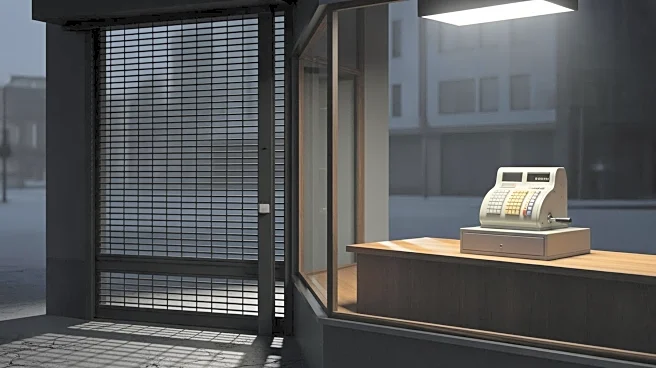
have led to decreased customer foot traffic as people avoid areas of unrest. This has resulted in temporary closures and reduced operating hours for many establishments. Adam Duininck, CEO of the Minneapolis Downtown Council, reported that business activity in South Minneapolis has plummeted by 80% to 100%, while downtown businesses have seen a 50% decline. The protests have also impacted employee attendance, further complicating operations for employers.
Why It's Important?
The financial downturn in Minneapolis highlights the broader economic impact of social unrest on local businesses. The situation mirrors the economic challenges faced during the COVID-19 pandemic, with businesses struggling to maintain revenue and employment levels. The protests not only affect the immediate financial health of businesses but also pose long-term risks to the local economy if the unrest continues. This situation underscores the delicate balance between social justice movements and economic stability, with potential implications for public policy and community relations.
What's Next?
With another protest planned for the upcoming weekend, businesses in Minneapolis are bracing for continued disruptions. Many establishments have already adjusted their hours and operations in response to the protests, adopting a cautious approach as they navigate the uncertain environment. The ongoing situation may prompt local government and business leaders to seek solutions that address both the social issues at the heart of the protests and the economic needs of the community.