



What's Happening?
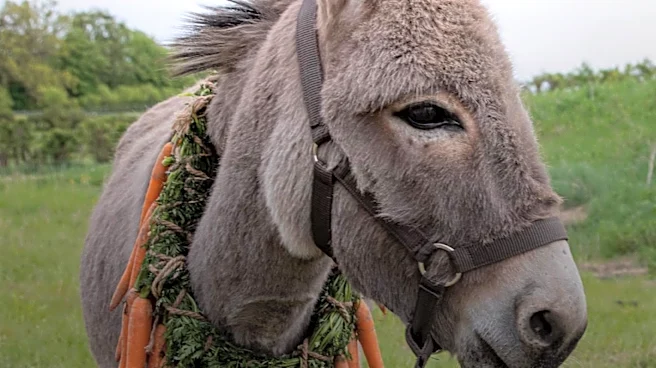
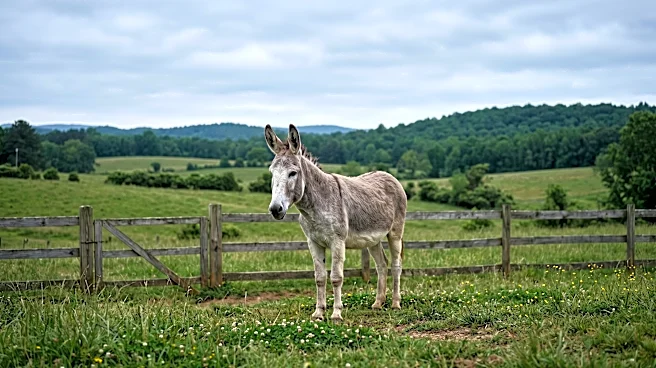
Georgia police officer Trenton Garner shot and killed a 1-year-old donkey named HeeHaw at the Elsberry Riding and Farm ranch in Rockmart, Georgia, during a search for a missing 12-year-old girl. According to an incident report, Garner, a Cedartown Police
Department officer and K-9 handler, entered the pasture around 12:45 a.m. on a Sunday. He claims the donkey charged at him and his team after horses in the pasture were spooked. Garner stated that a K-9 handler attempted to use a Taser, but it failed to deter the animal. Consequently, Garner fired a single round from his department-issued Glock 17, striking the donkey, which later collapsed and died. The missing girl was subsequently found at a nearby church. Garner has been placed on administrative leave, and the Georgia Department of Agriculture Law Enforcement is conducting an independent investigation into the incident. HeeHaw's owner, Hannah Israel, expressed outrage, stating that officers entered her property without permission and that the donkey, raised in her home and accustomed to petting zoos, was not aggressive.
Why It's Important?
This incident highlights critical issues regarding police conduct, animal welfare, and property rights during law enforcement operations. The owner's claim of officers entering private property without permission raises questions about adherence to protocols and potential legal ramifications. The use of lethal force against a domestic animal, particularly one described as gentle and accustomed to human interaction, sparks public debate on the necessity and proportionality of such actions. It also underscores the emotional and financial impact on animal owners, as HeeHaw was a beloved pet and part of a petting zoo. The independent investigation by the Georgia Department of Agriculture Law Enforcement is crucial for determining accountability and potentially influencing future training and policies for law enforcement when encountering animals on private property during searches. The outcome could set a precedent for how similar situations are handled, affecting both law enforcement practices and animal protection advocacy.
What's Next?
Officer Trenton Garner remains on administrative leave pending the outcome of the independent investigation by the Georgia Department of Agriculture Law Enforcement. This investigation will determine if Garner's actions were justified and if any departmental policies or state laws were violated. Hannah Israel, HeeHaw's owner, has publicly stated her intention to pursue legal action, which could lead to a civil lawsuit against the officer or the Cedartown Police Department. The Cedartown Police Chief, Jamie Newsome, has confirmed the ongoing investigation. The findings of the investigation could result in disciplinary actions against Garner, changes in police training regarding animal encounters, or even criminal charges depending on the evidence. Public and animal rights groups will likely monitor the investigation closely, potentially advocating for stricter guidelines on the use of force against animals by law enforcement. The case may also prompt broader discussions about property access rights for law enforcement during searches.
Beyond the Headlines
The tragic death of HeeHaw extends beyond a single incident, touching upon the broader societal tension between public safety operations and individual rights, particularly concerning private property and animal welfare. The owner's description of HeeHaw as a 'baby donkey' raised in the house and accustomed to petting zoos evokes a strong emotional response, highlighting the deep bond between humans and animals. This incident could fuel calls for enhanced de-escalation training for law enforcement, specifically in situations involving animals, and a re-evaluation of protocols for entering private land during searches. It also brings to light the potential for misjudgment in high-stress situations and the need for clear, consistent guidelines to prevent unnecessary harm to animals. The case may also contribute to the ongoing national conversation about police accountability and the appropriate use of force, even in non-human contexts, reflecting evolving societal values regarding animal life.